
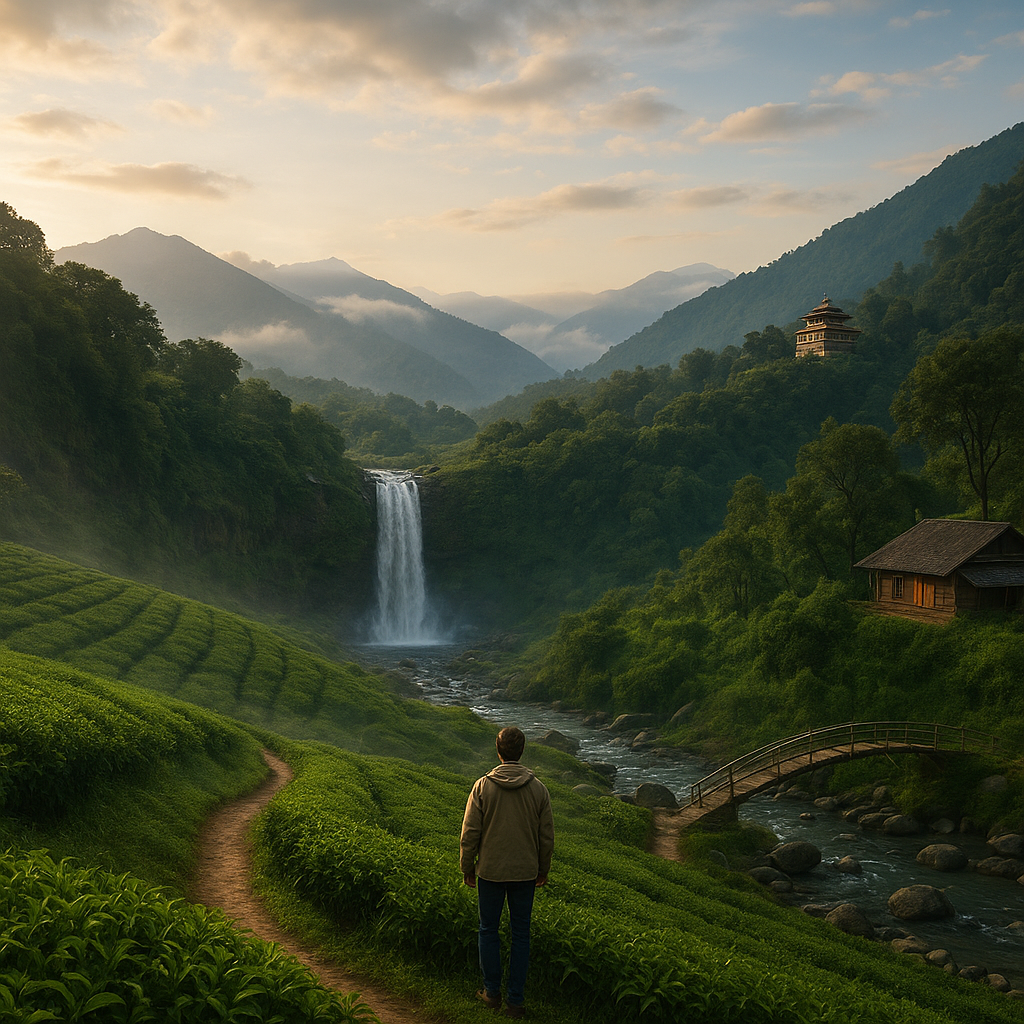
If you’ve ever stared at a map of India and wondered what lies in that lush, green corner tucked between mountains and clouds welcome to North East India. This region feels like a different world in the best way possible: misty hills, roaring rivers, bamboo bridges, quiet monasteries, colourful markets, and festivals that spill joy into the streets.
I still remember my first time planning a trip here. I kept thinking, “How can one region have so many landscapes?” One day you’re sipping tea in a calm hill town, and the next day you’re watching waterfalls crash through deep forests. If you’re looking for the best places to visit in North East India for both nature and culture, this guide will help you pick spots that match your travel style whether you want adventure, peace, food, or a bit of everything.
Let’s dive into the most loved destinations across Assam, Meghalaya, Sikkim, Arunachal Pradesh, Nagaland, and more without overcomplicating it.
Why North East India Feels So Special
North East India is like a “travel thali” (a plate with many dishes). Every state adds its own flavour like languages, traditions, clothes, music, even house styles. And the nature? Think of it as a giant living postcard: rolling hills, thick forests, orchids, snow peaks, and rivers that seem to never end.
Here’s what most travellers love:
- Fresh, green landscapes almost everywhere you go
- Unique cultures with tribal heritage, monasteries, and local festivals
- Warm people and homely food
- Offbeat experiences that don’t feel crowded like typical tourist hubs
Now, let’s talk about the real stars: the destinations.
1) Meghalaya: Where Clouds, Waterfalls, and Living Roots Steal the Show
If “nature overload” is what you want, Meghalaya is a dream. The name itself means “abode of clouds,” and honestly, it lives up to it.
Shillong (Scotland of the East)
Shillong is one of the most popular places to visit in North East India, especially for first-timers. It’s chill, green, and has a fun cafe culture too. You can take a slow walk around Ward’s Lake, visit viewpoints, and end the day with local food.
- Best for: easy sightseeing, music vibes, cafes, and cool weather
- Don’t miss: Shillong Peak, local markets, and nearby waterfalls
Cherrapunji (Sohra): Rain, Caves, and Waterfalls
Cherrapunji is famous for heavy rainfall, but it’s not just a “rain place.” It has dramatic cliffs, deep caves, and waterfalls that look like they’re straight out of a movie set.
- Best for: waterfalls, misty views, caves
- Try this: go early morning when the fog lifts slowly it feels magical
Mawlynnong & Living Root Bridges
Ever seen a bridge made from living tree roots? In Meghalaya, you can. These living root bridges aren’t built overnight, they’re trained and shaped over years. It’s like nature and humans working together, slowly and patiently, like a long-term friendship.
- Best for: unique nature experiences, village life
- Travel tip: wear proper walking shoes; the steps can be steep and slippery
2) Assam: Tea Gardens, River Islands, and Wild Adventures
Assam often becomes the entry point for North East India travel, and it’s packed with experiences especially if you love wildlife and rivers.
Kaziranga National Park (One-Horned Rhinos)
Kaziranga National Park is world-famous for the one-horned rhino. A safari here is one of those moments you remember for years. You’re bumping along tall grass, scanning the distance, and suddenly there it is. A massive rhino, calm and wild at the same time.
- Best for: wildlife safari, photography, nature lovers
- Look out for: rhinos, elephants, swamp deer, and lots of birds
Majuli (World’s Largest River Island)
Majuli is peaceful, cultural, and unlike anywhere else. It’s a river island on the Brahmaputra known for satras (Vaishnavite monasteries), traditional crafts, and slow village life. If your idea of a perfect day includes cycling past fields and watching sunsets by the river, this is it.
- Best for: culture, quiet travel, slow moments
- Good to know: ferry schedules matter so plan your entry and exit
Guwahati (City and Spiritual Stops)
Guwahati is a busy city, but it’s also where many travellers start and end their trip. It has temples, river cruises, and good food options.
- Don’t miss: Kamakhya Temple, Brahmaputra riverfront
3) Sikkim: Monasteries, Mountain Views, and Calm Roads
Sikkim is small, neat, and incredibly scenic. It’s one of the best places to visit in North East India if you like mountain air, monasteries, and clean hill towns.
Gangtok (Easy, Scenic, Friendly)
Gangtok is a great base for exploring Sikkim. The town is lively but not chaotic. You’ll find viewpoints, monasteries, and local shops all within easy reach.
- Best for: families, couples, first-time hill travelers
- Do this: take a relaxed walk on MG Marg in the evening
Tsomgo Lake & Nathula Pass (If Roads Are Open)
If you want dramatic landscapes, head to Tsomgo Lake. In colder months, it can even freeze. Nathula Pass (subject to permits and weather) adds an exciting “high-altitude” thrill.
- Travel tip: acclimatize well and carry warm layers, even in summer
Pelling (Kanchenjunga Views)
Pelling is loved for one big reason: views of Kanchenjunga (when the skies are clear). It’s also great for monastery visits and short day trips.
4) Arunachal Pradesh: Quiet Valleys, Monasteries, and True Offbeat Beauty
Arunachal Pradesh feels raw and untouched in many places. It’s perfect if you want fewer crowds and big, open landscapes.
Tawang (Monasteries and Mountain Drama)
Tawang is one of the most iconic places to visit in North East India. The monastery is stunning and the scenery is jaw-dropping. The roads can be long and tiring, but the payoff is huge. It’s like waiting through a slow intro of a movie and then the best scenes begin.
- Best for: monasteries, snow views, mountain culture
- Don’t miss: Tawang Monastery and nearby high passes (weather permitting)
Ziro Valley (Music, Rice Fields, and Peace)
Ziro Valley is calm and beautiful, with wide green stretches and a gentle pace. If you’ve heard of the Ziro Music Festival, you already know it’s popular among music lovers. Even without the festival, Ziro’s charm stays strong.
- Best for: slow travel, nature walks, local culture
5) Nagaland: Hills, Heritage, and Festivals That Feel Like a Warm Invitation
Nagaland is often described through its tribes and festivals and for good reason. But it’s also about landscapes, strong local identity, and really delicious food.
Kohima (History and Hill Town Feel)
Kohima is a key stop if you want to understand Nagaland’s culture and history. The War Cemetery is a quiet, moving place to visit. The town itself has viewpoints and local markets that feel personal, not touristy.
Hornbill Festival (If You Can Plan Your Dates)
Want to see North East India’s culture in one colourful burst? The Hornbill Festival (usually in December) is one of the biggest highlights. Dance, music, crafts, food everything comes together. It’s busy, yes, but it’s also unforgettable.
- Best for: culture lovers, photographers, festival energy
- Tip: book stays early; Kohima gets full quickly
6) Tripura: A Quiet Cultural Surprise
Tripura doesn’t always make it to the top of people’s lists, which is exactly why it can feel like a hidden gem.
Ujjayanta Palace & Neermahal
In Agartala, Ujjayanta Palace is a key attraction. And then there’s Neermahal a palace in the middle of a lake. It’s one of those places that makes you pause and go, “Why don’t more people talk about this?”
- Best for: culture, architecture, calm sightseeing
7) Mizoram: Clean Hills, Bamboo Culture, and Open Skies
Mizoram is peaceful and known for its neat towns and strong local culture. It’s a lovely choice if you want a laid-back hill experience.
Aizawl (Slow City with Great Views)
Aizawl has sweeping hill views and a pleasant pace. Spend time at local markets, try simple local meals, and just enjoy the “quiet confidence” of the place.
- Best for: slow travel, local culture, scenic drives
8) Manipur: Lakes, Local Life, and a Different Kind of Beauty
Manipur has a gentle charm especially around its famous lake.
Loktak Lake (Floating Islands)
Loktak Lake is known for phumdis, floating patches of vegetation that look like small islands. Seeing them in real life feels a bit like watching a nature documentary except you’re inside it.
- Best for: nature, photography, unique landscapes
Best Time to Visit North East India (Quick and Simple)
Timing matters here because rain, fog, and snow can change plans fast.
- October to April: generally the best season for most states (pleasant weather, clearer views)
- June to September: monsoon season (Meghalaya is dramatic, but landslides and delays can happen)
- December to February: colder and sometimes snowy in higher areas (great for winter lovers)
If you’re unsure, ask yourself: Do I want green rain-washed landscapes or clear mountain views? That one question makes planning easier.
Simple Travel Tips (That Actually Help)
North East India is friendly, but it rewards travelers who plan just a little.
- Keep buffer days: roads and weather can slow travel
- Carry layers: temperatures change quickly in the hills
- Respect local customs: dress modestly in villages and religious places
- Permits: some areas (like parts of Arunachal and Nathula) need permits, check before you go
- Cash helps: ATMs may not always be nearby in remote spots
What Should You Choose? (Nature, Culture, or Both)
If you’re feeling overwhelmed (totally normal), here’s an easy way to decide:
If you want nature and waterfalls
- Meghalaya: Shillong, Cherrapunji, Dawki
If you want wildlife and river life
- Assam: Kaziranga, Majuli
If you want mountains and monasteries
- Sikkim: Gangtok, Pelling, Tsomgo Lake
- Arunachal: Tawang
If you want festivals and strong local culture
- Nagaland: Kohima, Hornbill Festival
Final Thoughts: North East India Is Not a “One Trip” Kind of Place
North East India isn’t something you “finish” in one holiday. It’s more like a book with many chapters. You might start with Meghalaya and Assam, then come back for Sikkim, and later return for Arunachal or Nagaland when you’re ready for slower, deeper travel.
And maybe that’s the best part. This region doesn’t rush you. It invites you to take your time and watch the clouds move, sip tea in a quiet garden, talk to a local shopkeeper, and let the road surprise you.
Leave a Reply