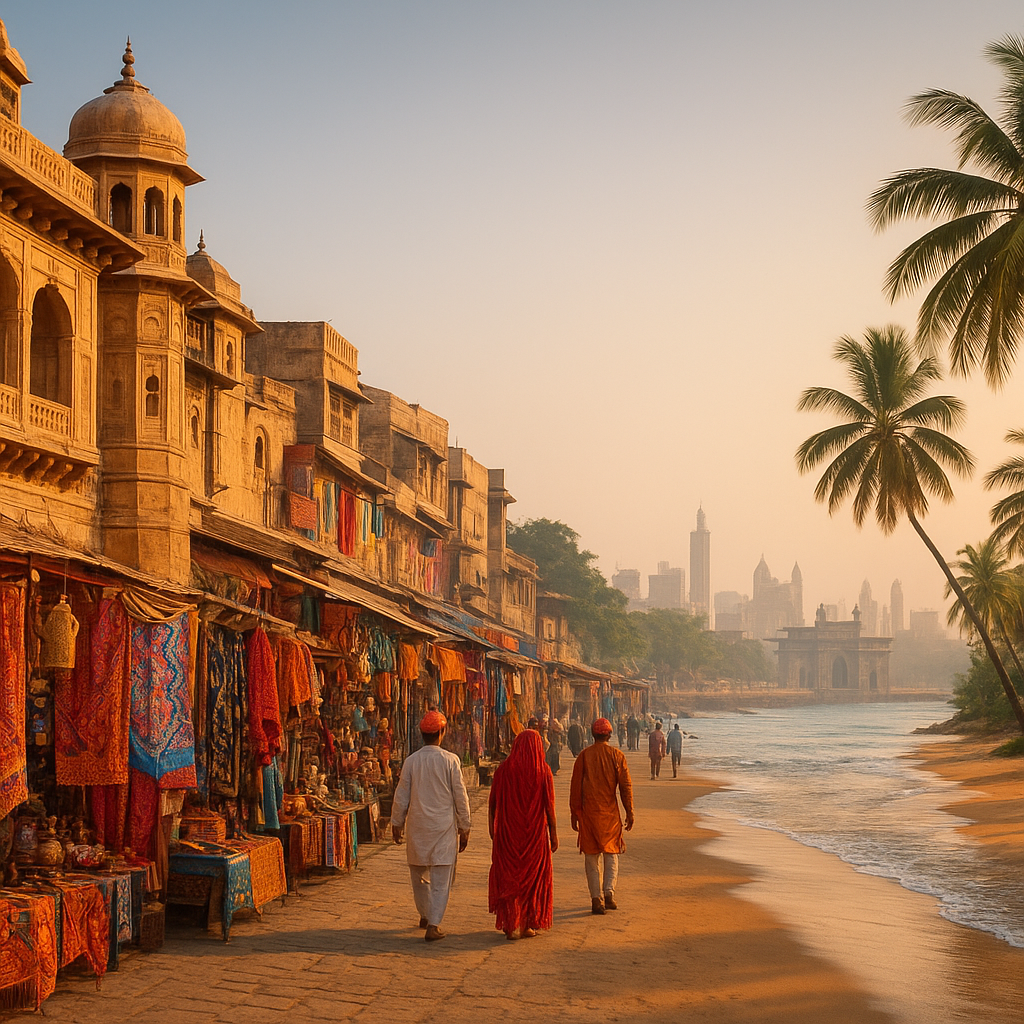
If you’ve ever caught yourself daydreaming about golden deserts, royal palaces, lazy beach days, and street food that hits all the right notes, West India might be calling your name. This part of the country feels like a big, beautiful mixtape one minute you’re wandering through old forts, and the next you’re watching waves roll in along the Arabian Sea.
I still remember my first real “West India” moment: I was standing in a buzzing local market, holding a paper plate of spicy snacks, while a shopkeeper casually pointed me toward a hidden lane full of handmade textiles. That mix of chaos, colour, and warmth once you feel it, you get why so many travellers keep coming back.
In this West India travel guide, we’ll walk through the top places to visit, local culture, must-try food, and experiences you’ll remember long after you’re home. If you’re planning a trip to India and want a region that offers variety without feeling overwhelming, you’re in the right place.
Why Visit West India?
West India is often described as a land of contrasts and honestly, it’s true. The region includes popular travel states like Rajasthan, Gujarat, Maharashtra, and Goa. Each one has its own personality, but they share a few common threads: strong traditions, bold flavors, and a proud history.
So, what makes West India special for travelers?
- Heritage and history: Forts, palaces, stepwells, and ancient temples are everywhere.
- Nature and landscapes: Think deserts, salt flats, hills, wildlife parks, and beaches.
- Food and markets: From royal Rajasthani thalis to coastal seafood and street snacks.
- Festivals and culture: Music, dance, crafts, and colorful celebrations year-round.
If India is like a massive festival platter, West India is the section where you keep saying, “Okay, just one more bite.”
Top Destinations in West India
Let’s get into the places that make this region one of the best for first-timers and repeat visitors alike. These are some of the most loved West India tourist places and each one offers something different.
Rajasthan: Royals, Forts, and Desert Magic
Rajasthan is where many people’s “India postcards” come from massive forts, sandy landscapes, and cities painted in rich colours. It can feel cinematic, like you’ve walked onto a historical movie set.
Top places to visit in Rajasthan:
- Jaipur (The Pink City): Famous for its forts, palaces, and lively bazaars.
- Udaipur (The City of Lakes): Calm, romantic, and filled with beautiful architecture.
- Jodhpur (The Blue City): A striking fort city with blue painted lanes and big views.
- Jaisalmer: The golden desert city known for dunes, forts, and stargazing.
If you’re the kind of traveler who loves stories, Rajasthan delivers. Even a simple taxi ride often turns into a mini history lesson.
Don’t miss: A desert evening in Jaisalmer. Sitting on the sand while the sky shifts colors is one of those quiet moments you’ll carry home.
Gujarat: Culture, Crafts, and Wild Landscapes
Gujarat often surprises people in the best way. It’s deeply cultural, packed with crafts, and home to unique landscapes you won’t find elsewhere.
Top places to visit in Gujarat:
- Ahmedabad: A UNESCO-recognized city known for heritage spaces, food, and design.
- Kutch: Famous for the White Rann of Kutch, salt desert views, and artisan villages.
- Gir National Park: The only place in the world to see Asiatic lions in the wild.
- Somnath & Dwarka: Spiritual coastal towns with important temples.
Visiting Kutch feels like stepping into a painting especially during the Rann Utsav season when the white salt desert glows under the moon. If you enjoy local art, Gujarati textiles and embroidery are worth making space for in your suitcase.
Maharashtra: Big Cities, Caves, and Coastal Escapes
Maharashtra is a mix of fast-paced city life and peaceful getaways. It’s home to Mumbai, but the state stretches far beyond the city lights.
Top places to visit in Maharashtra:
- Mumbai: India’s financial capital, known for street food, colonial buildings, and Bollywood vibes.
- Ajanta & Ellora Caves: Ancient rock-cut caves with stunning art and history.
- Pune: A youthful city with culture, cafes, and easy weekend escapes.
- Konkan Coast: Beaches, sea forts, and coastal villages away from crowds.
Here’s a small tip from experience: Mumbai can be intense at first-traffic, noise, people everywhere. But give it a day. Once you find your rhythm (and your favourite snack spot), it becomes oddly addictive.
Don’t miss: A sunset stroll along Marine Drive, followed by street food like vada pav or pav bhaji.
Goa: Beaches, Heritage, and Easygoing Days
Goa is often seen as “just a beach place,” but it’s more layered than that. Yes, you get sand and sea but you also get heritage churches, old neighbourhoods, and a food culture that’s hard to resist.
Top experiences in Goa:
- North Goa: Lively beaches, buzzing nightlife, and busy markets.
- South Goa: Calmer shores, slower days, and relaxed stays.
- Old Goa: Churches and colonial history.
- Spice plantations: Short trips that show Goa’s greener side.
If you’re wondering where to start, ask yourself: do you want energy or quiet? Goa will happily give you either.
West India Culture: What Makes It So Rich?
Culture in West India isn’t something you only see in museums it’s out in the open. It shows up in clothing, languages, daily rituals, architecture, and even the way people invite you to eat.
Festivals You Might Catch
- Navratri (Gujarat): Nights filled with garba and dandiya dance.
- Desert festivals (Rajasthan): Music, dance, camel shows, and folk performances.
- Ganesh Chaturthi (Maharashtra): Huge community celebrations, especially in Mumbai.
- Carnival (Goa): A lively, colorful celebration with parades and music.
Even if you don’t plan your trip around a festival, there’s a good chance you’ll stumble upon one. And isn’t that half the fun?
Arts, Crafts, and Shopping
Shopping in West India can be dangerous in the “I need one more bag” way. Every state has its own specialty.
- Rajasthan: Block prints, bandhani, jewelry, leather goods, and blue pottery.
- Gujarat: Embroidery, mirror work, patola-inspired patterns, handicrafts.
- Maharashtra: Kolhapuri chappals, local textiles, and handcrafted goods in markets.
- Goa: Flea markets, sea-shell crafts, and breezy resort wear.
A quick suggestion: if you buy textiles, ask how to care for them. Some handmade fabrics need gentle washing. It’s a small detail that saves you a lot of regret later.
Best Experiences in West India (Beyond Sightseeing)
West India isn’t just about ticking monuments off a list. It’s about the experiences in between food stops, conversations, and unexpected turns. Here are a few ideas that make a trip feel more personal.
1) Try a Local Thali
A thali is like a “sample platter” of regional food served on one plate. It’s perfect if you want to taste many dishes at once.
- Rajasthani thali: Often includes dal, baati, churma, and more.
- Gujarati thali: A balanced mix of sweet and savory flavors.
- Maharashtrian thali: Comforting, hearty, and sometimes spicy.
If you’re unsure what to order, a thali is the simplest answer.
2) Watch the Sunset from a Fort or Beach
This sounds simple, but it’s one of those travel rituals that never fails. In Rajasthan, sunsets feel dramatic from fort walls. In Goa or the Konkan, they feel slow and soothing like the day is exhaling.
3) Take a Heritage Walk
Many cities offer guided walks through old neighbourhoods and markets. It’s an easy way to learn history without feeling like you’re reading a textbook. Plus, you’ll spot tiny details you might miss on your own carvings, old doors, hidden courtyards.
4) Go Wildlife Spotting
- Gir National Park in Gujarat for Asiatic lions.
- Other nature zones and sanctuaries across the region depending on season.
Wildlife trips add a totally different texture to your itinerary, especially if you’ve been doing city hopping.
West India Food Guide: What to Eat
If West India had one superpower, it might be food. You’ll find flavours that are sweet, spicy, tangy, and comforting and sometimes all on the same plate.
Must-Try Dishes in Rajasthan
- Dal Baati Churma: A classic combination that’s filling and flavorful.
- Gatte ki Sabzi: Gram flour dumplings in a rich curry.
- Laal Maas: A famous spicy meat curry (where available).
Must-Try Dishes in Gujarat
- Dhokla: Light, soft, and a great snack.
- Thepla: Perfect for travel days, easy to carry and tasty.
- Gujarati thali: If you try one thing, make it this.
Must-Try Dishes in Maharashtra
- Vada Pav: Mumbai’s favorite street snack.
- Pav Bhaji: Rich, buttery, and best eaten hot.
- Misal: Spicy, hearty, and full of texture.
Must-Try Dishes in Goa
- Goan fish curry: Tangy and comforting.
- Bebinca: A layered dessert often loved by visitors.
- Seafood: Fresh options depending on the season and coast.
Small reminder: Street food is part of the fun, but choose busy stalls and drink bottled or filtered water when you can.
Suggested West India Itineraries (Easy Planning)
Not sure how to plan your route? Here are a few simple itinerary ideas based on time.
7 Days in West India (First-Timer Mix)
- 2 to 3 days in Jaipur (forts, markets, day trips)
- 2 days in Udaipur (lakes, heritage spots, slower pace)
- 2 to 3 days in Goa (beaches, Old Goa, food)
10 Days (Culture and Nature)
- 3 days in Ahmedabad and nearby heritage sites
- 2 to 3 days in Kutch (salt desert, crafts, villages)
- 2 days in Gir (wildlife experience)
- 2 days in Mumbai (city and street food)
14 Days (The Classic West India Loop)
- Rajasthan circuit (Jaipur, Jodhpur, Udaipur, Jaisalmer)
- Mumbai and Ajanta/Ellora (time permitting)
- Goa for a relaxing finish
Ask yourself: do you want a “movement-heavy” trip or a slower one? West India works for both, but mixing too many cities too quickly can feel tiring.
Best Time to Visit West India
The best time depends on where you’re going, but many travellers prefer October to March for comfortable weather especially for Rajasthan and Gujarat.
- Winter (Oct to Mar): Great for sightseeing, festivals, desert trips, and long city walks.
- Summer (Apr to Jun): Can be very hot inland; coastal areas may still work for some travellers.
- Monsoon (Jun to Sep): Beautiful greenery in some areas; expect humidity and rain in coastal zones.
If you’re visiting the desert, winter evenings can get chilly pack a light jacket.
Travel Tips for West India (That Actually Help)
These are small things, but they make a big difference.
- Dress for comfort: Light cotton works well in most months; add layers in winter.
- Keep cash handy: Many places accept digital payments, but small vendors may prefer cash.
- Start early: Popular forts and markets get crowded later in the day.
- Book trains/flights ahead: Especially during festivals and winter season.
- Respect local customs: Temples and heritage sites often have dress guidelines.
One more thing: build in “nothing time.” A free evening to wander, sit at a cafe, or watch local life can become your favourite memory.
Leave a Reply