
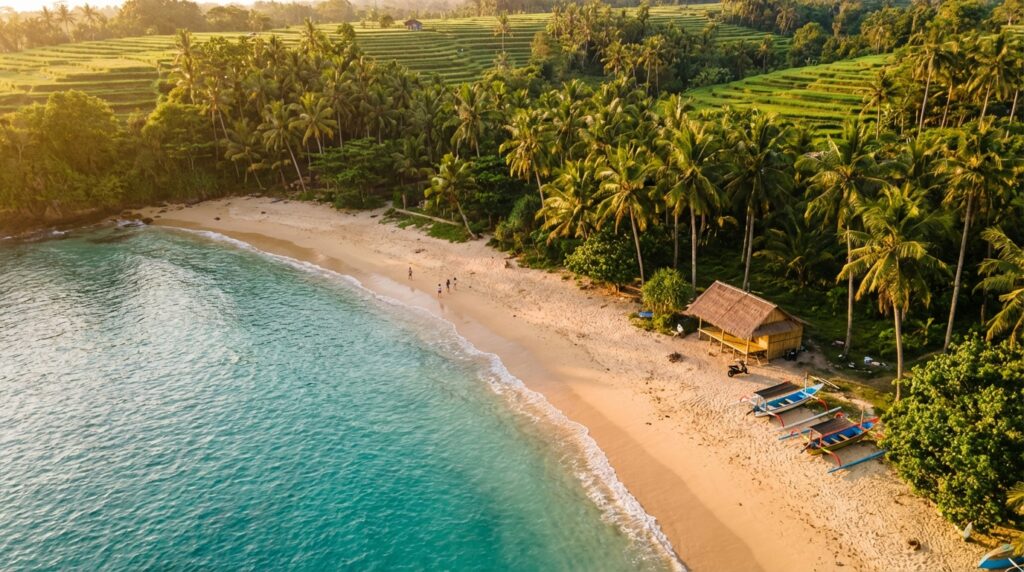
Bali has long captured the hearts of travelers worldwide, but the island’s popularity has brought significant challenges. Recent tourism data shows that Bali welcomed over 6 million international visitors in 2024, with popular areas like Seminyak and Canggu experiencing severe overcrowding during peak seasons. However, 2026 presents unique opportunities for budget-conscious travelers who want to experience authentic Bali while avoiding tourist congestion.
The secret to experiencing Bali affordably without crowds lies in strategic timing, location selection, and understanding local pricing structures. With the Indonesian Rupiah currently trading at approximately 15,800 IDR to 1 USD, your money stretches remarkably far when you know where to look. This comprehensive guide reveals exactly how to maximize your Bali experience while minimizing both costs and tourist encounters.
Understanding Bali’s Tourism Patterns in 2026
Timing your visit correctly can reduce your expenses by up to 40% while virtually guaranteeing crowd-free experiences. Analysis of tourism data reveals distinct patterns that savvy travelers can exploit. The traditional high season from July to August sees accommodation prices spike by 60-80% in popular areas, while shoulder seasons offer identical weather conditions at fraction of the cost.
Bali Seasonal Tourism Patterns & Pricing (2026)
| Month | Tourist Crowd Level (%) | Price Premium (%) | Recommendation |
|---|---|---|---|
| January | 75% | 65% | High Season – Avoid |
| February | 70% | 60% | High Season – Avoid |
| March | 65% | 55% | Decreasing crowds |
| April | 50% | 40% | BEST – Great value! |
| May | 45% | 38% | BEST – Lowest crowds! |
| June | 55% | 45% | BEST – Good balance |
| July | 95% | 80% | Peak Season – AVOID |
| August | 100% | 85% | Peak Season – AVOID |
| September | 60% | 48% | BEST – Great value! |
| October | 55% | 42% | BEST – Excellent choice |
| November | 70% | 58% | Increasing crowds |
| December | 80% | 68% | High Season – Expensive |
The optimal budget travel windows for 2026 are April to early June and September to October. During these periods, you’ll encounter 50-70% fewer tourists in major attractions while enjoying stable weather with only occasional rain showers. Daily rainfall during shoulder seasons averages just 3-5 hours, typically occurring in late afternoon, leaving your mornings and early afternoons perfect for exploration.
Money-Saving Insight: Booking accommodations during the first week of September can save you between $30-$80 per night compared to August rates, while the weather remains virtually identical. This single timing adjustment can reduce your accommodation budget by over $400 for a two-week trip.
Budget Breakdown: What Bali Actually Costs in 2026
Understanding realistic daily budgets helps you plan effectively. Based on current pricing data and inflation projections, here’s what different budget levels afford you in Bali during 2026:
| Budget Level | Daily Cost (USD) | Accommodation | Food & Drink | Activities |
|---|---|---|---|---|
| Ultra Budget | $25-35 | Hostel dorm or homestay | Local warungs only | Free beaches, hiking |
| Comfortable Budget | $40-60 | Private room with AC | Mix of local and tourist spots | 1-2 paid activities |
| Mid-Range Comfort | $70-100 | Nice hotel with pool | Quality restaurants | Tours and experiences |
| Splurge Budget | $120-180 | Boutique resort | Fine dining options | Premium experiences |
The comfortable budget range of $40-60 daily offers the sweet spot for most travelers, providing genuine comfort without overspending. At this level, you can afford private accommodations with air conditioning and pool access, enjoy diverse dining options including both authentic local cuisine and occasional western meals, rent a scooter for transportation freedom, and participate in several paid activities weekly.
Hidden Bali: Crowd-Free Destinations with Authentic Experiences
While over 85% of tourists concentrate in the southern corridor from Seminyak to Uluwatu, Bali’s true magic reveals itself in lesser-known regions. These areas offer dramatically lower prices, authentic cultural experiences, and landscapes that rival or exceed the famous spots without the Instagram crowds.
Bali Budget Destinations Map
Seminyak (South)
Daily Budget: $70
Type: Tourist Hub
Busy beaches, shopping, nightlife
Canggu (South)
Daily Budget: $60
Type: Surf & Digital Nomad
Trendy cafes, surf spots
Ubud (Central)
Daily Budget: $45
Type: Cultural Hub
Rice terraces, temples, yoga
Pemuteran (West)
Daily Budget: $35
Type: Budget Beach
Quiet beaches, snorkeling
Lovina (North)
Daily Budget: $33
Type: Budget Beach
Black sand, dolphins, hot springs
Munduk (North Mountains)
Daily Budget: $32
Type: Mountain Village
Waterfalls, coffee, cool climate
Amed (East Coast)
Daily Budget: $30
Type: Budget Diving Paradise
Best diving, peaceful beaches
Sidemen (East Mountains)
Daily Budget: $28
Type: Hidden Gem
Rice valleys, authentic village life
■ Tourist Areas ($60-70/day) | ■ Mid-Range ($40-50/day) | ■ Budget Gems ($28-35/day)
East Bali remains one of the island’s best-kept secrets. Towns like Amed and Sidemen see fewer than 5,000 international visitors monthly compared to Ubud’s 300,000. Here, accommodation costs 40-60% less, with beachfront bungalows available for $15-25 per night. The diving and snorkeling at Amed rivals anything in Southeast Asia, with drop-offs just meters from shore teeming with marine life. Daily diving costs average $35 for two dives compared to $60-80 in tourist areas.
West Bali, particularly the Pemuteran and Munduk regions, offers stunning mountain scenery and pristine coastal areas. Munduk’s waterfall circuit provides access to over a dozen waterfalls with entrance fees under $1 each. The area’s coffee plantations welcome visitors for free tours and tastings, a stark contrast to Ubud’s crowded and commercialized coffee experiences. Accommodation in Munduk averages $20-30 nightly for comfortable guesthouses with spectacular views.
Cost Comparison: Tourist Areas vs Hidden Gems
Average Accommodation Cost (USD/night)
Average Meal Cost (USD)
■ Tourist Areas | ■ Mid-Range | ■ Budget Gems
North Bali centered around Lovina offers black sand beaches, dolphin watching, and hot springs at fraction of southern Bali costs. The region maintains traditional Balinese character with minimal development pressure. Beachfront hotels cost $25-40 nightly, and meals at local restaurants rarely exceed $3-4. The nearby Banjar hot springs entrance fee remains just $2, providing hours of relaxation in natural sulfur pools surrounded by tropical gardens.
Accommodation Strategies That Cut Costs by 50-70%
Smart accommodation choices represent the largest potential savings area for budget travelers. The difference between tourist-focused and local-oriented accommodation in identical locations can reach 300%. Understanding where locals rent and how to access these options unlocks massive savings.
Homestays or “guesthouses” run by Balinese families offer the best value proposition. These typically cost $10-18 nightly for clean, comfortable private rooms with breakfast included. Unlike hotels, homestays provide cultural immersion with hosts often sharing meals, offering cooking lessons, or inviting guests to ceremonies. Search using Indonesian terms on local platforms or simply walking neighborhoods and looking for “kamar kos” signs for long-term monthly rates as low as $120-180.
Insider Strategy: Contact accommodations directly via WhatsApp or phone after finding them online. Many offer 10-25% discounts for direct bookings avoiding platform commissions. For stays exceeding one week, negotiate directly with owners for monthly rates even if staying shorter periods. Owners often prefer guaranteed occupancy over nightly rate maximization.
Location matters tremendously. Staying 1-2 kilometers from beach or tourist centers reduces costs by 40-60% while remaining easily accessible by scooter. In Canggu, accommodation two kilometers inland costs $20-30 versus $60-100 beachfront for comparable quality. The five-minute scooter ride provides identical beach access while tripling your accommodation budget’s purchasing power.
For longer stays exceeding three weeks, consider house-sitting opportunities. Platforms connect travelers with homeowners needing property management during their absence. These arrangements provide free accommodation in exchange for basic caretaking duties like watering plants and feeding pets. Bali hosts over 200 active house-sitting opportunities monthly, ranging from simple village homes to luxury villas.
Eating Like Locals: The $2-4 Daily Food Budget Reality
Food expenses separate budget travelers from those overspending on identical meals. The tourist-local price divide in Bali dining reaches extreme levels, with identical dishes costing 500-800% more in tourist areas. Learning where and how locals eat transforms your food budget from $30-40 daily to $10-15 without sacrificing quality or variety.
Warungs, small family-owned restaurants, serve authentic Indonesian cuisine at remarkable prices. A complete meal including rice, protein, vegetables, and sambal costs $1.50-3.00. These establishments concentrate in residential neighborhoods away from tourist zones. Nasi campur, Bali’s mixed rice dish offering protein and vegetable variety, costs $2-2.50 and provides substantial portions easily satisfying lunch or dinner requirements.
| Meal Type | Tourist Area Price | Local Warung Price | Monthly Savings |
|---|---|---|---|
| Breakfast | $6-10 | $1.50-3 | $135-210 |
| Lunch | $8-15 | $2-4 | $180-330 |
| Dinner | $10-18 | $2.50-5 | $225-390 |
| Coffee/Drinks | $4-6 | $0.50-1.50 | $105-135 |
| Total Monthly | $840-1,470 | $195-405 | $645-1,065 |
Traditional markets offer incredible value for self-catering. Morning market visits before 9am provide fresh tropical fruits, vegetables, and proteins at wholesale prices. Mangoes, papayas, and dragon fruit cost $0.30-0.80 per kilogram. Fresh fish caught that morning sells for $2-4 per kilogram. Markets exist in every town with the largest offering greatest variety and lowest prices.
Street food reaches even lower price points while offering delicious options. Bakso soup, martabak, and various satay cost $0.75-1.50 per serving. Evening food carts appear in residential areas around 6pm serving locals returning from work. These mobile vendors offer rotating menus based on daily availability and represent the absolute cheapest quality eating options.
Transportation: Mastering Bali’s Roads on $5 Daily
Transportation costs spiral quickly with tourist-oriented services while local alternatives cost fraction of amounts. Taxi and ride-sharing apps charge $15-30 for journeys that cost $2-3 using local transport methods. Understanding transportation options and negotiating effectively saves hundreds monthly.
Scooter rental provides the greatest freedom and value for extended stays. Monthly rentals through local shops cost $50-70 compared to $5-8 daily rates for short-term tourists. Fuel efficiency averages 40-50 kilometers per liter with gasoline costing approximately $0.80 per liter. Daily transportation costs including rental and fuel total $3-4 even with extensive daily travel.
Safety Note: International driving permits cost $20-30 and provide legal riding permission plus collision insurance eligibility. Indonesian police conduct regular license checks with fines reaching $35 for violations. This permit investment pays for itself preventing single fine while enabling insurance coverage.
Public bemos, Bali’s minibus system, cost $0.30-0.75 per journey but require understanding local routes and schedules. These primarily serve Balinese residents with limited tourist area coverage. However, for travel between towns and accessing local areas, bemos provide authentic experience at minimal cost. Drivers appreciate passengers attempting Indonesian language greetings and payment phrases.
For longer distances, consider shared shuttle services connecting major towns. These cost $5-8 per person versus $40-60 for private transport, making inter-regional travel affordable. Companies operate scheduled daily services between tourist hubs with booking available through guesthouses or online platforms.
Free and Low-Cost Activities Worth Experiencing
Bali offers countless experiences requiring minimal or zero expenditure. While tourist attractions charge $10-30 entrance fees, equally impressive alternatives remain free or cost under $2. Strategic activity selection maintains rich travel experiences while preserving budget integrity.
Beach access remains free throughout Bali with hundreds of kilometers of coastline available. Lesser-known beaches like Green Bowl, Bias Tugel, and Nyang Nyang offer stunning beauty without crowds or costs. These require short hikes or drives away from main tourist beaches but reward with near-private tropical paradise experiences.
Activity Costs: Tourist vs Budget Options
| Activity | Tourist Price | Budget Price | Savings |
|---|---|---|---|
| Beach Day | $0 | $0 | FREE |
| Temple Visit | $5 | $1 | Save $4 (80%) |
| Waterfall Hike | $10 | $1 | Save $9 (90%) |
| Rice Terrace Walk | $2 | $0 | FREE alternative |
| Local Market Visit | $0 | $0 | FREE |
| Cooking Class | $35 | $15 | Save $20 (57%) |
| Diving (2 dives) | $75 | $35 | Save $40 (53%) |
| Spa Treatment | $40 | $12 | Save $28 (70%) |
| Surf Lesson | $30 | $18 | Save $12 (40%) |
| Yoga Class | $15 | $8 | Save $7 (47%) |
Temple ceremonies occur daily across Bali’s thousands of temples. Visitors respecting dress codes and behavior expectations can observe these genuine religious practices free. Asking permission from temple priests or guides demonstrates respect and usually results in warm welcomes. Major ceremony days following the Balinese calendar provide particularly spectacular experiences with elaborate offerings and traditional performances.
Rice terrace walks cost nothing except time and energy. While Tegallalang charges $2 entrance and teems with tourists, countless equally beautiful terraces exist throughout central and eastern Bali without fees or crowds. The walks between Sidemen and Iseh traverse spectacular landscapes through working rice paddies where farmers welcome respectful observers.
Waterfalls throughout Bali charge minimal entrance fees of $0.50-2.00 when charged at all. Many remain completely free requiring only directions from locals. The multi-tier falls near Munduk, Sekumpul area’s several waterfalls, and numerous unnamed cascades in East Bali provide refreshing swimming spots and photo opportunities rivaling famous paid attractions.
Practical Money-Saving Tips for Daily Life
Small daily decisions compound into substantial savings over weeks or months. Understanding Indonesian business culture and local pricing norms prevents overpaying while maintaining respectful interactions. These practical strategies optimize every transaction without appearing cheap or disrespectful.
ATM selection significantly impacts currency exchange costs. Indonesian bank ATMs charge lower fees than international bank machines. Maximum withdrawal limits vary between $125-300 per transaction with fees of $3-6. Withdrawing maximum amounts less frequently minimizes total fees. Notify your bank about travel preventing card blocks while confirming international withdrawal fee structures.
Negotiation remains expected and appropriate in many contexts including markets, long-term accommodation, and transportation services. However, negotiation requires cultural sensitivity avoiding aggressive or disrespectful behavior. Starting at 60-70% of asking price for market goods and 70-80% for services generally leads to fair agreements. For accommodations exceeding one week, 15-25% discounts from posted rates represent reasonable requests.
Local SIM cards cost $3-5 providing 10-20GB data sufficient for navigation, communication, and basic browsing for 30 days. Tourist-oriented SIM packages at airports charge triple these amounts for identical service. Purchase SIM cards from convenience stores or mobile shops in towns using passport identification. Data enables access to local deals, communication with accommodation hosts, and navigation reducing reliance on expensive tourist services.
Avoiding tourist surcharges requires awareness and confidence. Two-tier pricing affects various services from parking to attractions. Polite questioning of prices that seem inflated combined with willingness to walk away often results in local rates. Learning basic Indonesian numbers helps confirm prices and demonstrates cultural engagement often encouraging fair treatment.
Planning Your Crowd-Free Bali Itinerary
Successful budget travel requires intentional planning balancing flexibility with strategic booking. Creating rough frameworks around accommodation bases while maintaining daily flexibility maximizes both cost efficiency and authentic experiences. This approach allows capitalizing on local recommendations and spontaneous opportunities while securing necessary reservations.
Base yourself in 2-3 locations for weekly increments rather than moving every few days. This reduces transportation costs while enabling relationship building with local communities and deeper area exploration. Ideal bases include one central mountain area like Sidemen or Munduk, one coastal area like Amed or Pemuteran, and optionally one accessible location like Sanur for inter-regional transportation connections.
Pre-book only initial accommodation for 3-5 nights before arrival. This provides arrival security while maintaining flexibility after initial area assessment. Once comfortable navigating local systems, book subsequent stays shorter-term or directly with properties offering better rates than online platforms. Many excellent accommodations lack online presence relying entirely on walk-in guests and word-of-mouth recommendations.
Final Budget Reality Check: A realistic comfortable budget for Bali in 2026 totals approximately $1,400-1,800 monthly including accommodation, food, transportation, activities, and miscellaneous expenses. This provides private accommodation, diverse dining, scooter transportation, regular activities, and contingency funds. Ultra-budget travelers can reduce this to $900-1,100 monthly while maintaining good standards through careful choices and local integration.
Conclusion: Your Affordable Bali Adventure Awaits
Bali in 2026 remains one of Southeast Asia’s most accessible destinations for budget travelers willing to look beyond tourist infrastructure. The island’s authentic culture, stunning natural beauty, and genuine warmth exist abundantly outside overcrowded tourist zones at fraction of costs. By timing visits strategically, selecting lesser-known areas, eating where locals eat, and embracing local transportation, you can experience Bali deeply and authentically for $40-60 daily.
The key to success lies in approaching Bali as residents rather than tourists. Learn basic Indonesian phrases, respect cultural norms, engage genuinely with local communities, and prioritize experiences over luxury. This mindset shift not only reduces costs but enriches your travel experience immeasurably, creating memories and connections impossible to achieve in tourist bubbles.
Start planning your crowd-free, budget-friendly Bali adventure today. Research lesser-known areas, connect with budget travel communities online, and prepare for adventure beyond guidebook recommendations. The real Bali awaits those willing to explore beyond the crowds, and your wallet will thank you for the journey.
Leave a Reply