
As winter fades and spring beckons, February and March emerge as one of the most enchanting times to explore India. These transitional months offer a sweet spot between the harsh winter cold and the sweltering summer heat, creating ideal conditions for travelers seeking authentic experiences across this diverse subcontinent. From the snow-capped peaks of the Himalayas to the sun-kissed beaches of the south, India in February and March presents a kaleidoscope of festivals, pleasant weather, and unforgettable adventures.
During these months, you’ll encounter some of India’s most vibrant celebrations, including Holi, the festival of colors, which typically falls in March. The weather across most regions is moderate, with temperatures ranging from comfortable to warm, making it perfect for both outdoor exploration and cultural immersion. Whether you’re a adventure enthusiast, culture vulture, beach lover, or spiritual seeker, this guide will help you discover the best destinations that showcase India’s incredible diversity during this golden travel window.
1. Rajasthan: The Land of Kings and Colors
Rajasthan stands as India’s crown jewel for February and March travel, offering a perfect blend of royal heritage, desert landscapes, and vibrant culture. The state’s magnificent forts, palaces, and colorful bazaars come alive during these months when the weather is at its absolute best.
Brief Overview
Rajasthan, located in northwestern India, is renowned for its majestic forts, opulent palaces, and vast Thar Desert. Cities like Jaipur, Udaipur, Jodhpur, and Jaisalmer showcase centuries of royal history through their stunning architecture. The state’s rich cultural tapestry includes traditional folk music, dance, handicrafts, and cuisine that tells stories of warrior kings and desert life.
Things to Do
- Explore the Pink City of Jaipur, visiting the iconic Hamber Fort, City Palace, and Hawa Mahal
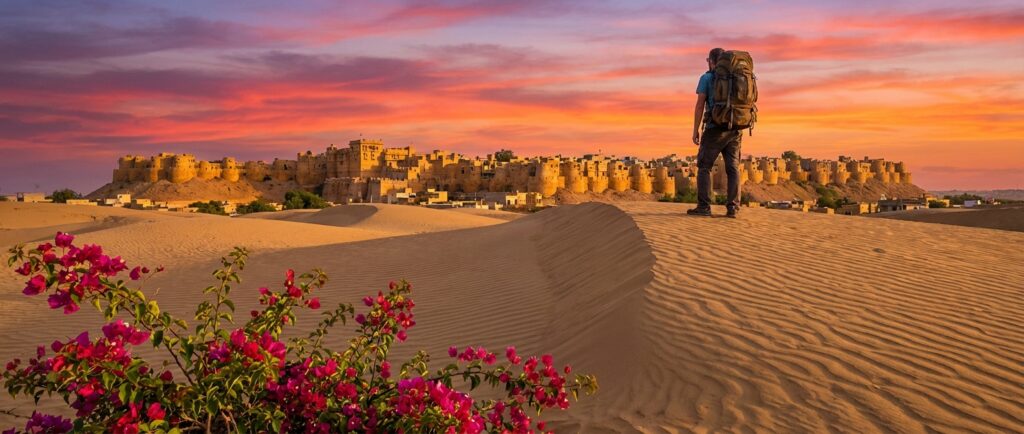
- Experience a camel safari in the Thar Desert near Jaisalmer, complete with sunset views over sand dunes
- Take a boat ride on Lake Pichola in Udaipur and visit the stunning Lake Palace
- Wander through the blue-painted streets of Jodhpur and climb Mehrangarh Fort
- Shop for traditional textiles, jewelry, and handicrafts in local bazaars
- Attend a traditional Rajasthani folk dance and music performance
- Sample authentic Rajasthani thali at heritage restaurants
Best Weather & Photo Spots
February and March bring perfect weather to Rajasthan, with daytime temperatures ranging from 25°C to 32°C and cool, pleasant evenings. This is ideal for exploring outdoor attractions without the extreme desert heat. The golden hour light creates magical photography opportunities at locations like the Amber Fort’s Sheesh Mahal, Jaisalmer’s Sam Sand Dunes during sunset, Udaipur’s City Palace overlooking the lake, and the blue alleys of Jodhpur’s old city.
Suggested Itinerary
7-Day Rajasthan Circuit:
- Day 1-2: Arrive in Jaipur, explore Amber Fort, City Palace, and Jantar Mantar
- Day 3: Travel to Jodhpur, visit Mehrangarh Fort and explore the blue city
- Day 4-5: Journey to Jaisalmer, experience desert safari and stay overnight in desert camps
- Day 6-7: Head to Udaipur, enjoy palace tours, boat rides, and rooftop dining
Travel Tips
Budget: Mid-range travelers can expect to spend $50-80 per day including accommodation, food, and local transport. Luxury heritage hotels range from $150-500 per night.
Best Time to Book: Book flights and hotels at least 8-10 weeks in advance for February travel, and 10-12 weeks for March due to Holi festival crowds. Aim for booking by mid-December for the best rates.
Local Food to Try: Don’t miss dal baati churma, laal maas (spicy mutton curry), ghevar (sweet dessert), ker sangri (desert vegetables), and mirchi vada. Wash it down with masala chai or traditional buttermilk.
Festivals and Events: The Jaipur Literature Festival usually occurs in late January to early February. Holi, the festival of colors, typically falls in March and is celebrated with great enthusiasm, especially in Jaipur and Udaipur. The Mewar Festival in Udaipur coincides with Holi celebrations.
2. Kerala: God’s Own Country
Kerala, nestled along India’s southwestern coast, offers a serene escape into nature’s lap. Known for its tranquil backwaters, lush green landscapes, and pristine beaches, Kerala in February and March provides an ideal tropical getaway without the monsoon rains.
Brief Overview
Kerala stretches along the Malabar Coast, featuring a unique blend of coastal beauty, hill stations, and inland waterways. The state is famous for its network of backwaters, ayurvedic wellness treatments, spice plantations, and rich cultural heritage including Kathakali dance and traditional boat races. The local cuisine, heavily influenced by coconut and spices, is considered among India’s finest.
Things to Do
- Cruise through the backwaters of Alleppey on a traditional houseboat
- Relax on the beaches of Varkala and Kovalam
- Trek through tea and spice plantations in Munnar
- Experience authentic Ayurvedic treatments and wellness programs
- Watch Kathakali dance performances in Kochi
- Visit Periyar National Park for wildlife spotting, including elephants and tigers
- Explore the historic Fort Kochi area with its Chinese fishing nets and colonial architecture
Best Weather & Photo Spots
Kerala enjoys warm, tropical weather in February and March with temperatures between 23°C and 32°C. The humidity is lower than during monsoon season, making it comfortable for outdoor activities. Prime photography locations include the palm-fringed backwaters at sunrise, the rolling tea estates of Munnar in morning mist, sunset at Varkala Beach’s cliff viewpoints, and the Chinese fishing nets of Fort Kochi during golden hour.
Suggested Itinerary
8-Day Kerala Experience:
- Day 1-2: Arrive in Kochi, explore Fort Kochi, Mattancherry Palace, and Jewish Synagogue
- Day 3-4: Travel to Munnar, visit tea plantations, Eravikulam National Park, and enjoy mountain views
- Day 5: Head to Thekkady, take a boat ride in Periyar Lake and visit spice gardens
- Day 6-7: Journey to Alleppey, board a houseboat for overnight backwater cruise
- Day 8: Visit Varkala Beach for relaxation before departure
Travel Tips
Budget: Budget travelers can manage with $30-40 per day, while mid-range travelers should budget $60-100 per day. Houseboat cruises range from $100-300 for an overnight experience depending on luxury level.
Best Time to Book: February is peak season, so book accommodations and houseboats 10-12 weeks in advance. March sees slightly fewer tourists, allowing booking 6-8 weeks ahead. Early booking ensures better houseboat selection and rates.
Local Food to Try: Savor Kerala sadya (traditional feast on banana leaf), appam with stew, karimeen pollichathu (pearl spot fish), Kerala prawn curry, puttu and kadala curry, and finish with payasam (rice pudding).
Festivals and Events: The Cochin Carnival in late December extends into early January. Traditional temple festivals called Utsavams occur throughout these months. Check local calendars for specific temple festival dates in different regions.
3. Goa: Beaches, Parties, and Portuguese Heritage
India’s smallest state packs a powerful punch with its golden beaches, vibrant nightlife, Portuguese colonial charm, and laid-back atmosphere. February and March mark the tail end of peak season, offering the perfect balance of good weather and manageable crowds.
Brief Overview
Goa, located on the western coast, was a Portuguese colony for over 450 years, leaving behind a unique cultural blend visible in its architecture, cuisine, and festivals. The state is divided into North Goa, known for its lively beaches and party scene, and South Goa, which offers quieter, more pristine shores. Beyond beaches, Goa boasts spice plantations, wildlife sanctuaries, and beautiful churches.
Things to Do
- Relax on famous beaches like Baga, Calangute, Anjuna, and Palolem
- Explore Old Goa’s UNESCO World Heritage churches including Basilica of Bom Jesus
- Experience water sports such as parasailing, jet skiing, and banana boat rides
- Take a spice plantation tour in Ponda
- Enjoy sunset cruises on the Mandovi River
- Shop at the Anjuna Flea Market and Saturday Night Market
- Visit Dudhsagar Falls, one of India’s tallest waterfalls
- Sample Goan cuisine at beach shacks and local restaurants
Best Weather & Photo Spots
February and March offer warm, sunny days with temperatures ranging from 21°C to 32°C and low humidity. This creates ideal beach weather with minimal rainfall. Capture stunning shots at Chapora Fort overlooking Vagator Beach, the colorful houses of Fontainhas in Panaji, sunset at Arambol Beach, the Portuguese architecture of Old Goa, and the vibrant atmosphere of beach shacks during golden hour.
Suggested Itinerary
5-Day Goa Beach Escape:
- Day 1: Arrive in North Goa, settle into accommodation near Baga or Calangute, evening beach walk
- Day 2: Water sports at Baga Beach, visit Chapora Fort, explore Anjuna Flea Market, enjoy beach sunset
- Day 3: Day trip to Old Goa churches, spice plantation tour, evening Mandovi River cruise
- Day 4: Travel to South Goa, relax at Palolem Beach, visit Cabo de Rama Fort
- Day 5: Morning at Agonda Beach, departure or extend stay
Travel Tips
Budget: Goa accommodates all budgets. Budget travelers can find beach huts from $15-25 per night and manage on $25-35 daily. Mid-range hotels and resorts range from $50-100 per night with total daily expenses of $50-80.
Best Time to Book: February is still peak season, requiring 8-10 weeks advance booking for best options. March sees prices drop slightly, and 6-8 weeks advance booking is sufficient. Many beach shacks close by mid-April, so these months are ideal for the full Goa experience.
Local Food to Try: Indulge in fish curry rice, prawn balchão, pork vindaloo, chicken cafreal, bebinca (layered dessert), fish recheado, and fresh seafood at beach shacks. Don’t miss trying feni, the local cashew or coconut spirit.
Festivals and Events: The Goa Carnival, typically held in February, is a four-day extravaganza of parades, music, and dance. Shigmo, Goa’s version of Holi, occurs in March with colorful street processions and cultural performances. Many beach parties and music festivals also take place during these months.
4. Himachal Pradesh: Mountain Majesty and Adventure
Himachal Pradesh, nestled in the western Himalayas, offers breathtaking mountain landscapes, adventure sports, and spiritual retreats. February and March present unique opportunities to witness both winter snow in higher altitudes and pleasant spring weather in lower valleys.
Brief Overview
This northern state encompasses diverse terrain from the lush Kangra Valley to the stark beauty of Spiti Valley. Popular destinations include Shimla, the former British summer capital; Manali, an adventure hub; Dharamshala, home to the Dalai Lama; and McLeod Ganj, a center of Tibetan culture. The state offers everything from skiing and trekking to meditation and hot springs.
Things to Do
- Experience skiing and snowboarding in Solang Valley and Gulmarg
- Trek to Triund, Bhrigu Lake, or Hampta Pass (weather permitting)
- Visit ancient temples like Hidimba Devi Temple and Jwalamukhi Temple
- Explore Tibetan culture in McLeod Ganj and attend teachings at Tsuglagkhang Complex
- Soak in natural hot springs at Vashisht and Manikaran
- Try paragliding in Bir Billing, one of the world’s best sites
- Walk through colonial architecture on Shimla’s Mall Road
- Visit monasteries and experience Buddhist culture
Best Weather & Photo Spots
Weather varies by altitude. Lower regions like Dharamshala enjoy pleasant temperatures of 10°C to 20°C, while higher areas like Manali experience 0°C to 15°C with possible snow. March sees gradual warming. Photography enthusiasts should capture the snow-covered Rohtang Pass (if accessible), sunrise over the Dhauladhar range from McLeod Ganj, the colonial charm of Shimla Mall Road, prayer flags at Buddhist monasteries, and mountain valleys dotted with apple orchards.
Suggested Itinerary
7-Day Himachal Adventure:
- Day 1-2: Arrive in Shimla, explore Mall Road, Ridge, Jakhoo Temple, take toy train ride to Kalka
- Day 3-4: Travel to Manali, visit Hadimba Temple, Old Manali, and Vashisht hot springs
- Day 5: Day trip to Solang Valley for snow activities and adventure sports
- Day 6-7: Journey to Dharamshala and McLeod Ganj, visit monasteries, Dalai Lama Temple, and enjoy mountain views
Travel Tips
Budget: Budget accommodations start from $10-20 per night with daily expenses of $20-30. Mid-range travelers should budget $40-70 per day. Adventure activities like paragliding cost $50-100, while skiing equipment rental and lift passes run $30-50 per day.
Best Time to Book: February is ideal for snow activities but requires booking 10-12 weeks in advance, especially for popular spots like Manali. March bookings can be made 6-8 weeks ahead. Some high-altitude roads may be closed in February, so check accessibility before booking.
Local Food to Try: Warm up with siddu (steamed bread), madra (chickpea curry), chha gosht (lamb curry), aktori (buckwheat cake), and Tibetan momos, thukpa, and tingmo. Try local apple products and honey.
Festivals and Events: The Losar Festival (Tibetan New Year) sometimes falls in February-March in McLeod Ganj. Maha Shivaratri is celebrated with great fervor at temples across the state. Local spring festivals mark the end of winter in various villages.
5. Jaipur and Ranthambore: Royalty Meets Wildlife
Combining the cultural richness of Rajasthan’s capital with India’s premier tiger reserve creates an unforgettable journey through royal heritage and natural wilderness. This combination allows travelers to experience both India’s architectural grandeur and its incredible wildlife in ideal weather conditions.
Brief Overview
Jaipur, the Pink City, serves as Rajasthan’s vibrant capital, showcasing Mughal and Rajput architecture through its palaces and forts. Just 180 kilometers away, Ranthambore National Park offers one of India’s best opportunities to spot Bengal tigers in their natural habitat. The park, built around a 10th-century fort, combines wildlife viewing with historical exploration.
Things to Do
- Explore Jaipur’s architectural marvels: Amber Fort, City Palace, Hawa Mahal, and Jantar Mantar
- Take morning and evening safari drives in Ranthambore National Park
- Visit Ranthambore Fort, a UNESCO World Heritage Site within the park
- Shop for traditional textiles, jewelry, and handicrafts in Jaipur’s bazaars
- Photograph tigers, leopards, sloth bears, and diverse birdlife at Ranthambore
- Experience traditional puppet shows and folk performances in Jaipur
- Enjoy rooftop dining with views of illuminated forts
Best Weather & Photo Spots
Both destinations enjoy excellent weather with temperatures between 15°C and 30°C. This is considered prime tiger-spotting season at Ranthambore as animals frequent waterholes and visibility is high due to sparse vegetation. Top photography spots include Amber Fort’s mirrored palace, Jaipur’s lit-up Hawa Mahal at dusk, Ranthambore’s Zone 3 and 4 for tiger sightings, the ancient fort ruins within the park, and the lakes where tigers come to drink.
Suggested Itinerary
6-Day Royal and Wild Experience:
- Day 1-2: Arrive in Jaipur, visit Amber Fort, City Palace, Jantar Mantar, and Hawa Mahal
- Day 3: Morning bazaar shopping and Albert Hall Museum, afternoon drive to Ranthambore
- Day 4-5: Early morning and late afternoon safaris in Ranthambore (4 safaris total)
- Day 6: Morning safari, return to Jaipur for departure or extend stay
Travel Tips
Budget: Jaipur accommodation ranges from $20-150 per night. Ranthambore safari costs approximately $40-50 per safari per person for shared jeeps, while private vehicles cost $150-200. Budget $60-120 per day for this combined itinerary including accommodation, food, and safaris.
Best Time to Book: Ranthambore safari permits have limited availability and should be booked 90-120 days in advance when bookings open. Jaipur hotels can be booked 8-10 weeks ahead. February and March are peak tiger-spotting months, making early booking crucial.
Local Food to Try: In Jaipur, enjoy dal baati churma, laal maas, pyaaz kachori, and ghevar. Near Ranthambore, try traditional Rajasthani thali at resort restaurants. Don’t miss lassi and masala chai throughout.
Festivals and Events: Jaipur Literature Festival in late January-early February attracts global literary figures. Holi celebrations in Jaipur are spectacular. Elephant Festival (if scheduled) showcases decorated elephants, though animal welfare concerns have modified this event in recent years.
Also Consider: Bonus Destinations
Rishikesh and Haridwar: Spiritual Gateway
Nestled in the foothills of the Himalayas, these twin cities offer spiritual rejuvenation along the sacred Ganges River. February and March provide comfortable weather for yoga retreats, river rafting, and attending the mesmerizing Ganga Aarti ceremonies. The international yoga festival typically occurs in March, attracting practitioners worldwide. Budget $30-60 per day for yoga ashram stays, adventure activities, and vegetarian meals. Book yoga retreats 8-10 weeks in advance for the best ashrams and river-view accommodations.
Varanasi: Eternal City of Light
One of the world’s oldest continuously inhabited cities, Varanasi offers an intense spiritual experience along the Ganges ghats. February and March bring pleasant weather perfect for sunrise boat rides, temple visits, and witnessing ancient rituals. The city’s labyrinthine alleys hide centuries-old temples, silk weavers, and authentic street food. Expect to spend $25-50 per day including heritage guesthouse stays near the ghats. The Dev Deepawali celebrations may extend into early February, while Maha Shivaratri brings massive gatherings. Book at least 6-8 weeks ahead for ghat-facing accommodations.
Andaman and Nicobar Islands: Tropical Paradise
India’s remote island territory offers pristine beaches, crystal-clear waters, and excellent diving opportunities. February and March provide perfect beach weather with calm seas ideal for water sports. Havelock Island (Swaraj Dweep) features Radhanagar Beach, consistently ranked among Asia’s best. Activities include scuba diving at Neil Island, snorkeling at Elephant Beach, and visiting the historic Cellular Jail. Budget $70-150 per day as islands are more expensive due to remoteness. Book ferry tickets and accommodations 10-12 weeks in advance, and secure your permit for restricted areas early. Try fresh seafood and coconut-based local cuisine.
Leave a Reply