Author: Kartik

  • Beyond the Crowds: 7 Offbeat Alternatives to Leh-Ladakh for 2026

    Leh-Ladakh has become synonymous with mountain adventures and breathtaking landscapes, but its growing popularity has transformed once-peaceful valleys into tourist hotspots. If you’re seeking the same dramatic scenery, cultural richness, and adventurous spirit without the overwhelming crowds, India offers remarkable alternatives that remain relatively undiscovered. These seven destinations promise equally stunning vistas, authentic experiences, and the solitude that makes mountain travel truly transformative. Whether you’re drawn to ancient monasteries, pristine lakes, challenging treks, or simply the silence of high-altitude deserts, these offbeat locations deliver everything Ladakh offers and more, with the added bonus of genuine exploration. As we move into 2026, these hidden gems are perfect for travelers who want to venture beyond the usual circuits and discover the roads less traveled across the Indian Himalayas and beyond.

    Top 7 Offbeat Destinations to Visit

    1. Spiti Valley, Himachal Pradesh

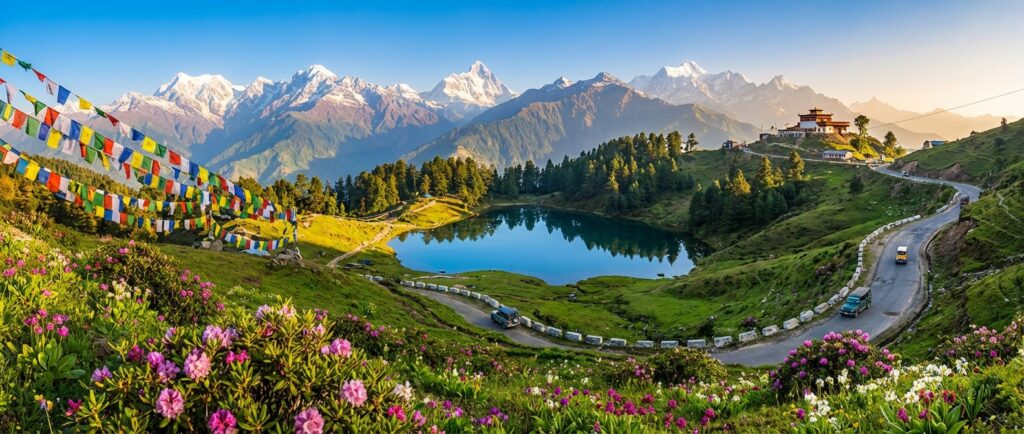
    Often called “Little Tibet,” Spiti Valley offers the stark, cold desert landscape of Ladakh with even fewer tourists. This high-altitude region sits between Tibet and India, characterized by ancient monasteries perched on cliff edges, turquoise rivers cutting through barren mountains, and villages that seem frozen in time.

    Things to Do

    • Visit Key Monastery, a thousand-year-old Buddhist monastery that resembles a fortress
    • Explore the mummy at Gue Village, naturally preserved for over 500 years
    • Trek to Chandratal Lake, the “Moon Lake” surrounded by snow-capped peaks
    • Experience village homestays in Kibber, Langza, and Komic
    • Spot snow leopards on wildlife expeditions during winter months
    • Stargaze in one of India’s darkest skies with minimal light pollution

    Best Weather and Photo Spots

    Visit between June and September when roads are accessible. The best photography locations include the Pin Valley at sunrise, Dhankar Lake with monastery reflections, Langza village with its giant Buddha statue and fossil-rich landscape, and Kunzum Pass offering 360-degree mountain panoramas. October brings snow but also stunning autumn colors and crystal-clear skies.

    Suggested Itinerary

    1. Day 1-2: Shimla to Kalpa via Rampur, acclimatize at Kalpa
    2. Day 3: Kalpa to Tabo via Nako, visit Tabo Monastery
    3. Day 4: Tabo to Kaza, explore Pin Valley
    4. Day 5: Kaza local sightseeing – Key Monastery, Kibber, Chicham Bridge
    5. Day 6: Kaza to Chandratal Lake, overnight camping
    6. Day 7-8: Chandratal to Manali via Kunzum Pass and Rohtang

    Travel Tips

    Budget: Expect to spend around 15,000-25,000 INR per person for a week including accommodation, food, and local transport. Homestays cost 800-1,500 INR per night.

    Best Time to Book: Book flights to Shimla or Chandigarh 2-3 months in advance for best rates (March-April for June travel). Hotels and homestays can be booked 1-2 months ahead.

    Local Food: Try thukpa, momos, tingmo (steamed bread), chhang (local barley beer), and butter tea. Don’t miss the locally grown green peas and apricot products.

    Festivals: Attend the Losar Festival (February-March) for Tibetan New Year celebrations, or the Ladarcha Fair in Kaza (August) celebrating local culture and trade.

    2. Zanskar Valley, Jammu & Kashmir

    Even more remote than Ladakh proper, Zanskar remains one of the last true wilderness areas in the Himalayas. Accessible only a few months each year by road, this valley offers pristine Buddhist culture, dramatic gorges, and some of India’s most challenging treks.

    Things to Do

    • Trek the frozen Chadar on the Zanskar River in winter
    • Visit Phuktal Monastery, built into a cliffside cave
    • Explore Zangla Palace and interact with the royal family
    • River raft on the Zanskar River during summer
    • Undertake the Padum to Lamayuru trek through high passes
    • Photograph the confluence of Zanskar and Indus rivers at Nimmu

    Best Weather and Photo Spots

    Summer months from July to September offer road access via Kargil. Winter (January-February) is ideal for the Chadar Trek. Top photography locations include Stongdey Monastery at golden hour, the winding roads through Pensi La pass, Drang Drung glacier from various viewpoints, and the dramatic gorges near Phuktal.

    Suggested Itinerary

    1. Day 1: Arrive Kargil, acclimatize and explore local market
    2. Day 2: Kargil to Padum via Rangdum and Pensi La
    3. Day 3: Padum to Phuktal Monastery trek (or drive partway)
    4. Day 4: Explore Zangla and Stongdey monasteries
    5. Day 5: Padum to Karsha Monastery, local exploration
    6. Day 6: Begin return journey to Kargil
    7. Day 7: Kargil to Leh or onward journey

    Travel Tips

    Budget: Budget 20,000-30,000 INR per person for a week. The Chadar Trek costs significantly more (35,000-50,000 INR for organized tours).

    Best Time to Book: For summer visits, book Leh flights 3-4 months ahead. Winter Chadar treks should be booked 4-6 months in advance as permits are limited.

    Local Food: Enjoy skyu (traditional pasta dish), khambir (local bread), and apricot jam. Tea houses serve simple but hearty Ladakhi cuisine.

    Festivals: Witness the Karsha Gustor Festival (July) featuring mask dances and monastery celebrations, or Phyang Tsedup (July-August).

    3. Kinnaur, Himachal Pradesh

    Where the Himalayas meet the Tibetan plateau, Kinnaur offers a unique blend of Hindu and Buddhist cultures amidst apple orchards, ancient temples, and snow-covered peaks. Less commercialized than neighboring regions, Kinnaur provides authentic mountain experiences with comfortable accessibility.

    Things to Do

    • Drive the spectacular Hindustan-Tibet Road through dramatic gorges
    • Visit the precarious Nako Monastery and its sacred lake
    • Explore Kalpa village with views of Kinnaur Kailash range
    • Trek to Raksham-Chitkul, India’s last inhabited village near China border
    • Photograph the hanging village of Komic and suicide point views
    • Sample local apple wine and taste fresh orchard produce

    Best Weather and Photo Spots

    April to June offers blooming orchards and clear skies, while September to October brings harvest season and golden landscapes. Prime photo locations include the Kinnaur Kailash view from Kalpa at sunrise, the Baspa River valley in autumn, Ribba village’s traditional architecture, and the Sutlej gorges near Rampur.

    Suggested Itinerary

    1. Day 1: Shimla to Sarahan, visit Bhimakali Temple
    2. Day 2: Sarahan to Sangla via Jeori and Karcham
    3. Day 3: Sangla to Chitkul, explore the last village
    4. Day 4: Chitkul to Kalpa, evening at Reckong Peo
    5. Day 5: Kalpa local sightseeing and Kinnaur Kailash views
    6. Day 6: Kalpa to Nako, explore lake and monastery
    7. Day 7: Return journey to Shimla via Rampur

    Travel Tips

    Budget: A comfortable trip costs 12,000-20,000 INR per person weekly. Hotels range from 1,000-3,000 INR per night with good amenities.

    Best Time to Book: Book accommodations 3-4 weeks ahead during peak season (May-June, September-October). Flights to Shimla or trains should be booked 6-8 weeks prior.

    Local Food: Try sidu (local bread), thukpa variants, chilra (pancakes), and aktori (festival cake). The local apples and dried fruits are exceptional.

    Festivals: Experience Fulaich Festival (September) celebrating flower deities, or Sazo Festival (April) marking the harvest with traditional dances and music.

    4. Arunachal Pradesh – Tawang and Mechuka

    India’s far northeastern frontier, Arunachal Pradesh offers pristine landscapes that rival any Himalayan destination. With deep Buddhist heritage, untouched valleys, and dramatic mountain scenery, this region remains wonderfully unexplored due to permit requirements that naturally limit tourist numbers.

    Things to Do

    • Explore Tawang Monastery, the largest in India and birthplace of the sixth Dalai Lama
    • Visit Sela Pass at 13,700 feet with its sacred frozen lake
    • Discover the hidden valley of Mechuka and its ancient monasteries
    • Trek to Paradise Lake (Madhuri Lake) surrounded by snow peaks
    • Experience the Monpa tribal culture and traditional crafts
    • Witness the Indo-China border areas near Bum La Pass

    Best Weather and Photo Spots

    Visit between April and October, with May-June and September-October being ideal. Winter brings heavy snow and road closures. Essential photo spots include Sela Pass reflections in dawn light, Tawang Monastery from multiple angles, the Mechuka valley from surrounding hills, and Nuranang Waterfall with rainbow formations.

    Suggested Itinerary

    1. Day 1-2: Guwahati to Tezpur, obtain ILP permits, drive to Bomdila
    2. Day 3: Bomdila to Tawang via Sela Pass, stop at Paradise Lake
    3. Day 4: Explore Tawang Monastery and town, visit war memorial
    4. Day 5: Day trip to Bum La Pass (weather and permits permitting)
    5. Day 6: Tawang to Dirang, visit hot springs and monasteries
    6. Day 7-8: Return to Tezpur or fly from Tezpur
    7. Alternative: Add 3-4 days for Mechuka circuit from Along

    Travel Tips

    Budget: Plan for 25,000-35,000 INR per person for 8-9 days including permits, transport, and accommodation. Hiring vehicles is mandatory and costs 8,000-12,000 INR per day.

    Best Time to Book: Book Guwahati flights 2-3 months ahead. Arrange permits through tour operators 3-4 weeks before travel as they require advance processing. Hotels should be confirmed 4-6 weeks prior.

    Local Food: Sample thukpa, momos, zan (millet-based porridge), gyapa khazi (spicy fish preparation), and butter tea. Try local bamboo shoot delicacies.

    Festivals: Attend Torgya Festival (January) at Tawang Monastery with masked dances, or Losar celebrations (February-March) marking the Monpa New Year.

    5. Lahaul Valley, Himachal Pradesh

    Separated from Spiti by the Kunzum Pass, Lahaul remains quieter despite being on the Manali-Leh highway. This valley combines lush greenery near Manali with the stark beauty of high-altitude desert, offering diverse landscapes and ancient Buddhist culture without the tourist influx.

    Things to Do

    • Visit the unique Guru Ghantal Monastery with its wooden architecture
    • Explore Jispa’s alpine meadows and camping grounds
    • Drive to Baralacha La and Suraj Tal, one of the highest lakes
    • Discover the confluence town of Keylong and its monasteries
    • Trek to Chandrabhaga range base camps
    • Experience the traditional lifestyle in Sissu and Gondla villages

    Best Weather and Photo Spots

    June to September offers full accessibility with pleasant weather. Late September brings autumn colors. Photography highlights include the Chandra River valley landscapes, Deepak Tal (lake) near Kunzum Pass, ancient monastery murals in Tayul Monastery, and sunrise at Baralacha La with surrounding peaks creating dramatic shadows.

    Suggested Itinerary

    1. Day 1: Manali to Jispa via Rohtang Pass and Keylong
    2. Day 2: Jispa local exploration and acclimatization
    3. Day 3: Jispa to Baralacha La and back, visit Suraj Tal
    4. Day 4: Jispa to Keylong, explore monasteries
    5. Day 5: Keylong to Udaipur (Lahaul), visit Triloknath Temple
    6. Day 6: Explore Sissu and return toward Manali
    7. Day 7: Buffer day or onward journey

    Travel Tips

    Budget: Expect 15,000-22,000 INR per person for a week. Accommodation ranges from basic guesthouses (800 INR) to comfortable hotels (2,500 INR).

    Best Time to Book: Book Manali hotels 4-6 weeks in advance for summer travel. Flights to Bhuntar should be booked 2-3 months ahead for better rates. Local guesthouses can be booked closer to travel dates.

    Local Food: Enjoy chhang, traditional bread varieties, siddu, and rajma-chawal. Local potatoes and peas are exceptional. Try the apricot-based dishes and preserves.

    Festivals: Witness the Lahaul Festival in Keylong (August) showcasing local culture, or the Pauri Festival celebrating the end of winter isolation.

    6. Pangi Valley, Himachal Pradesh

    Perhaps the most remote valley in Himachal, Pangi is accessible only via the treacherous Sach Pass or through Kishtwar. This isolation has preserved its unique culture where Sanskrit is still spoken, and ancient traditions remain intact. The journey itself is an adventure through some of India’s most challenging mountain roads.

    Things to Do

    • Conquer Sach Pass at 14,528 feet, one of India’s most dangerous roads
    • Explore Killar, the valley headquarters with traditional architecture
    • Visit Mindhal Mata Temple overlooking the Chenab gorge
    • Interact with locals in villages where ancient customs prevail
    • Trek to high-altitude lakes and alpine meadows
    • Photograph the dramatic Chenab River cutting through mountains

    Best Weather and Photo Spots

    Sach Pass opens only from late June to early September. Visit in July-August for optimal conditions. Key photography locations include the hairpin bends of Sach Pass from various viewpoints, Killar valley panoramas, the Chenab gorge near Sansari Nala, and traditional Pangi house architecture in remote villages.

    Suggested Itinerary

    1. Day 1: Dalhousie to Bairagarh, last settlement before Sach Pass
    2. Day 2: Early start over Sach Pass to Killar (long, challenging drive)
    3. Day 3: Rest and explore Killar town and surroundings
    4. Day 4: Killar to Hudan valley and back
    5. Day 5: Explore nearby villages and Mindhal Temple
    6. Day 6: Begin return journey or continue to Kishtwar
    7. Day 7: Complete return journey to Dalhousie

    Travel Tips

    Budget: Budget 18,000-28,000 INR per person for the week. Vehicle hire is essential and costs 10,000-15,000 INR for the circuit. Accommodation is basic (500-1,200 INR per night).

    Best Time to Book: Book vehicles and experienced drivers 2-3 months in advance as Sach Pass requires skilled navigation. Accommodation in Killar should be confirmed 3-4 weeks ahead as options are limited.

    Local Food: Try sepu badi (lentil cake), local mutton dishes, and madra (chickpea curry). Food is simple and hearty, reflecting the harsh climate.

    Festivals: Experience the Minjar Fair (July-August) if timing coincides, or witness local deity festivals unique to Pangi’s villages throughout summer.

    7. Nubra Valley via Unconventional Routes

    While Nubra itself isn’t unknown, approaching it through lesser-traveled routes and exploring its remote corners offers the solitude missing from the main Diskit-Hunder circuit. The Wari La route, eastern Nubra villages, and extended stays in remote monasteries provide authentic experiences away from tourist crowds.

    Things to Do

    • Cross Wari La Pass, an alternative to overcrowded Khardung La
    • Explore Turtuk, the last village near Pakistan border with Balti culture
    • Visit Panamik hot springs and continue to Ensa Monastery
    • Stay in remote villages like Sumur and Thangsey
    • Trek from Hunder to Tirit village through sand dunes
    • Photograph the unique landscape where desert meets glaciers

    Best Weather and Photo Spots

    June to September for road access, with July-August offering the warmest temperatures. September provides fewer tourists and excellent light. Top photo spots include Wari La’s serpentine road from above, Turtuk apricot orchards against mountain backdrop, Yarab Tso Lake’s pristine surroundings, and the Shyok River’s turquoise waters cutting through stark landscape.

    Suggested Itinerary

    1. Day 1-2: Leh to Nubra via Wari La, stay in Sumur
    2. Day 3: Explore Sumur Monastery and Panamik hot springs
    3. Day 4: Drive to Turtuk, explore Balti culture and villages
    4. Day 5: Turtuk to Thangsey via Bogdang
    5. Day 6: Thangsey to Ensa Monastery trek or explore Saser region
    6. Day 7: Return to Leh via alternative route through Shyok

    Travel Tips

    Budget: Plan for 20,000-30,000 INR per person including vehicle, permits, and homestays. Permits cost extra for Turtuk and other restricted areas.

    Best Time to Book: Book Leh flights 3-4 months ahead. Vehicle arrangements and homestays should be confirmed 4-6 weeks prior. Permits require advance processing through tour operators.

    Local Food: In Turtuk, try Balti dishes like khambir with apricot jam, chutagi (handmade pasta), and local walnuts and apricots. Homestays serve authentic regional cuisine.

    Festivals: Time your visit with Ladakh Festival (September) or explore village-specific celebrations in remote Nubra settlements during summer months.

    Complete Road Trip Roadmap: The Ultimate Himalayan Circuit

    For the ultimate alternative to Leh-Ladakh, combine multiple destinations into a comprehensive journey covering the western and eastern Himalayas over 20-25 days.

    The Complete Route

    1. Start: Delhi/Chandigarh (Days 1-2) – Arrive and prepare, obtain necessary permits for Arunachal Pradesh
    2. Shimla to Kinnaur (Days 3-6) – Drive through Shimla to Kalpa, explore Chitkul and Nako, covering apple belt and ancient villages
    3. Kinnaur to Spiti Valley (Days 7-11) – Cross into Spiti via Nako, explore Tabo, Kaza, Pin Valley, and trek to Chandratal Lake
    4. Spiti to Lahaul (Days 12-14) – Cross Kunzum Pass into Lahaul, explore Jispa, Keylong, and surrounding monasteries
    5. Lahaul to Manali (Day 15) – Descend via Rohtang Pass, rest and resupply in Manali
    6. Optional: Pangi Valley Extension (Days 16-19) – For adventurous travelers, tackle Sach Pass and explore remote Pangi before returning to Manali
    7. Alternative: Fly to Northeast (Days 16-17) – From Chandigarh, fly to Guwahati for the Arunachal segment
    8. Arunachal Pradesh Circuit (Days 18-24) – Drive Guwahati to Tawang via Tezpur, explore Tawang and Mechuka, return via Dirang
    9. End: Guwahati (Day 25) – Conclude the epic journey and fly home

    Alternative Shorter Circuits

    Western Loop (12-14 days): Delhi – Kinnaur – Spiti – Lahaul – Manali – Delhi

    Eastern Focus (10-12 days): Guwahati – Tawang – Mechuka – Guwahati

    Adventure Circuit (15-17 days): Leh – Zanskar – Nubra (unconventional) – return to Leh

    Also Consider: More Hidden Himalayan Gems

    Sangla Valley, Himachal Pradesh

    While technically part of Kinnaur, Sangla deserves special mention for its stunning Baspa River valley, traditional Kinnauri houses, and apple orchards. The village of Rakcham offers pristine trekking opportunities with minimal tourist presence.

    Upper Mustang, Nepal

    For those willing to cross international borders, Upper Mustang offers a Ladakh-like experience with even more remote Tibetan Buddhist culture. Restricted permits keep crowds minimal while preserving ancient traditions.

    Changthang Plateau, Eastern Ladakh

    Beyond Pangong Lake lies the vast Changthang region where nomadic herders still roam with pashmina goats. Villages like Hanle and Chushul offer pristine landscapes and world-class stargazing opportunities.

    Pithoragarh District, Uttarakhand

    Known as “Little Kashmir,” this district borders Nepal and Tibet. The villages of Munsiyari, Dharamghar, and Chaukori provide spectacular Himalayan views with virtually no tourist infrastructure, perfect for authentic experiences.

    Kishtwar, Jammu & Kashmir

    Often called the “Land of Saffron and Sapphires,” Kishtwar offers challenging treks, ancient temples, and untouched valleys. The approach to Pangi Valley through Kishtwar provides an alternative to Sach Pass.

    Chamoli District, Uttarakhand

    Home to the Valley of Flowers and Hemkund Sahib, Chamoli also has lesser-known gems like Niti Valley, Mana Village (last Indian village), and pristine alpine meadows accessible through challenging but rewarding treks.

    Final Thoughts

    As Leh-Ladakh continues to attract increasing numbers of travelers, these seven alternatives offer equally spectacular experiences without the environmental and cultural strain of overtourism. Each destination provides unique cultural encounters, breathtaking landscapes, and the kind of solitude that makes mountain travel truly memorable. Whether you choose the Buddhist heritage of Spiti and Zanskar, the unexplored valleys of Pangi and Kinnaur, or the frontier regions of Arunachal Pradesh, you’ll discover that India’s Himalayas hold countless secrets waiting to be explored. Plan carefully, respect local cultures and environments, and prepare for journeys that will challenge and inspire you in ways that crowded destinations simply cannot. The mountains are calling, and these offbeat paths promise the adventures you’ve been seeking beyond the well-trodden roads of Ladakh.
    Meta description: Discover 7 spectacular alternatives to overcrowded Leh-Ladakh for 2026. Explore Spiti, Zanskar, Kinnaur, and more hidden Himalayan gems with complete travel guides.

  • 7 Best Places to Visit in North India During Summer 2026 to Beat the Heat

    7 Best Places to Visit in North India During Summer 2026 to Beat the Heat

    As temperatures soar across the plains of North India during summer, escaping to cooler climates becomes not just desirable but essential. While cities like Delhi, Jaipur, and Lucknow experience scorching temperatures exceeding 45 degrees Celsius, the northern hill stations and high-altitude destinations offer a refreshing respite with pleasant weather, stunning landscapes, and memorable experiences. Summer 2026 presents the perfect opportunity to explore these magnificent destinations that combine natural beauty with cultural richness.

    North India’s diverse geography provides travelers with numerous options to beat the summer heat. From the snow-capped peaks of Ladakh to the colonial charm of Shimla, from the spiritual tranquility of Rishikesh to the adventure paradise of Manali, each destination offers unique experiences. Whether you’re seeking adventure sports, spiritual rejuvenation, family-friendly activities, or simply a peaceful retreat surrounded by nature, North India’s summer destinations cater to every type of traveler.

    This comprehensive guide explores the seven best places to visit in North India during summer 2026, complete with detailed itineraries, budget recommendations, local cuisine suggestions, and insider tips to help you plan the perfect escape from the summer heat.

    1. Ladakh – The Land of High Passes

    Brief Overview

    Ladakh, often called the “Land of High Passes,” is a high-altitude desert in the northernmost region of India. Accessible primarily from June onwards after the snow melts and roads open, Ladakh offers dramatic landscapes featuring barren mountains, turquoise lakes, ancient monasteries, and a unique Tibetan-Buddhist culture. Summer is the ideal time to visit as the weather remains pleasant with daytime temperatures ranging from 20-30 degrees Celsius, making it perfect for exploration and adventure activities.

    Things to Do

    • Visit the stunning Pangong Tso Lake, famous for its changing colors and breathtaking beauty
    • Explore ancient monasteries like Thiksey, Hemis, and Diskit
    • Experience the thrill of riding through Khardung La, one of the world’s highest motorable passes
    • Camp under starlit skies in Nubra Valley
    • Visit the mesmerizing Tso Moriri Lake
    • Attend local festivals and witness traditional Ladakhi culture
    • Try river rafting in the Zanskar River
    • Explore Leh’s local markets for traditional handicrafts and Pashmina shawls

    Best Weather and Photo Spots

    The best time to visit Ladakh is from June to September, with July and August offering the warmest weather. Top photography locations include Pangong Lake at sunrise, Magnetic Hill, the sand dunes of Hunder in Nubra Valley with double-humped camels, Thiksey Monastery during morning prayers, and the Shanti Stupa at sunset overlooking Leh town.

    Suggested Itinerary (7 Days)

    • Day 1: Arrive in Leh, acclimatize, explore Leh Market and Shanti Stupa
    • Day 2: Visit Thiksey Monastery, Hemis Monastery, and Shey Palace
    • Day 3: Day trip to Pangong Tso Lake, overnight stay near the lake
    • Day 4: Return to Leh via Changla Pass, rest and acclimatize
    • Day 5: Drive to Nubra Valley via Khardung La, visit Diskit Monastery
    • Day 6: Explore Hunder sand dunes, camel safari, return to Leh
    • Day 7: Visit local markets for shopping, depart from Leh

    Travel Tips

    Budget: Expect to spend approximately 25,000-40,000 INR per person for a week, including accommodation, food, and local transport. Budget stays start from 800 INR per night, while mid-range hotels cost 2,500-5,000 INR.

    Best Time to Book: Book flights and hotels at least 2-3 months in advance for summer travel. Flights to Leh should be booked by March-April for June-August travel to get better rates.

    Local Food to Try: Thukpa (noodle soup), momos (dumplings), skyu (traditional pasta dish), butter tea, tingmo (steamed bread), and apricot jam made from local Ladakhi apricots.

    Festivals and Events: Hemis Festival (June-July), celebrating the birth of Guru Padmasambhava with colorful mask dances and cultural performances.

    2. Manali – The Valley of Gods

    Brief Overview

    Nestled in the Kullu Valley of Himachal Pradesh, Manali is one of North India’s most popular hill stations. Surrounded by towering Himalayan peaks, pine forests, and the gushing Beas River, Manali offers the perfect blend of adventure, natural beauty, and relaxation. Summer temperatures range from 10-25 degrees Celsius, making it an ideal escape from the plains.

    Things to Do

    • Visit the ancient Hadimba Temple surrounded by cedar forests
    • Explore Old Manali’s hippie cafes and vibrant culture
    • Trek to Jogini Falls or Hampta Pass
    • Experience paragliding in Solang Valley
    • Visit Rohtang Pass for snow activities (subject to permit availability)
    • Explore the charming village of Vashisht with its hot springs
    • Shop for woolens and handicrafts at Mall Road
    • Go river rafting in the Beas River

    Best Weather and Photo Spots

    May to June offers pleasant weather with blooming flowers, while July-August brings monsoon greenery. Top photo spots include Hadimba Temple amidst deodar trees, sunrise at Solang Valley, panoramic views from Rohtang Pass, the quaint streets of Old Manali, and the Beas River against mountain backdrops.

    Suggested Itinerary (5 Days)

    • Day 1: Arrive in Manali, check-in, explore Mall Road
    • Day 2: Visit Hadimba Temple, Vashisht Village, evening at Old Manali
    • Day 3: Full day excursion to Solang Valley, adventure activities
    • Day 4: Day trip to Rohtang Pass or trek to Jogini Falls
    • Day 5: Visit local markets for shopping, depart

    Travel Tips

    Budget: A 5-day trip costs approximately 15,000-25,000 INR per person. Budget hotels range from 1,000-1,500 INR per night, while mid-range accommodations cost 3,000-6,000 INR.

    Best Time to Book: Book accommodations by March-April for May-June travel. For adventure activities, advance booking ensures better availability and rates.

    Local Food to Try: Sidu (wheat bread), aktori (festive cake), patande (sweet pancakes), trout fish, and Himalayan momos. Don’t miss the Israeli cuisine in Old Manali cafes.

    Festivals and Events: Summer Festival in May showcases local culture, folk dances, and adventure sports competitions.

    3. Shimla – The Queen of Hills

    Brief Overview

    Shimla, the capital of Himachal Pradesh, retains its colonial charm with Victorian architecture, pleasant weather, and panoramic Himalayan views. At an altitude of 2,205 meters, Shimla offers temperatures between 15-30 degrees Celsius during summer, perfect for leisurely walks, heritage exploration, and family vacations.

    Things to Do

    • Walk along the famous Mall Road and Ridge
    • Visit the Viceregal Lodge showcasing colonial architecture
    • Take the toy train ride on the UNESCO World Heritage Kalka-Shimla Railway
    • Explore Jakhoo Temple dedicated to Lord Hanuman
    • Visit Kufri for adventure activities and panoramic views
    • Stroll through the lush Christ Church area
    • Explore the State Museum to learn about Himachali culture
    • Shop for handicrafts, woolens, and wooden items at Lakkar Bazaar

    Best Weather and Photo Spots

    May-June offers the best weather with clear skies. Prime photography locations include the Gothic-style Christ Church, sunset views from The Ridge, colonial architecture of Viceregal Lodge, panoramic vistas from Jakhoo Hill, and the charming toy train against mountain landscapes.

    Suggested Itinerary (4 Days)

    • Day 1: Arrive via toy train, explore Mall Road and Ridge
    • Day 2: Visit Viceregal Lodge, Christ Church, and Scandal Point
    • Day 3: Day trip to Kufri, adventure activities, visit Green Valley
    • Day 4: Visit Jakhoo Temple, shopping at Lakkar Bazaar, depart

    Travel Tips

    Budget: Plan for 12,000-20,000 INR per person for 4 days. Budget stays start from 1,200 INR, while heritage hotels cost 4,000-8,000 INR per night.

    Best Time to Book: Reserve toy train tickets at least 2 months in advance. Hotels should be booked by March for May-June travel to avoid peak season price hikes.

    Local Food to Try: Chana madra, babru (stuffed bread), tudkiya bhath (Himachali pulao), and siddu. Try local cafes on Mall Road for continental cuisine with mountain views.

    Festivals and Events: Summer Festival in June features cultural programs, exhibitions, and flower shows at Ridge Maidan.

    4. Rishikesh – The Yoga Capital of the World

    Brief Overview

    Located at the foothills of the Himalayas along the holy Ganges River, Rishikesh is renowned for yoga, spirituality, and adventure sports. While summers can be warm (25-40 degrees Celsius), the riverside location and spiritual atmosphere make it a rejuvenating destination. Early mornings and evenings remain pleasant, perfect for yoga and meditation.

    Things to Do

    • Attend evening Ganga Aarti at Parmarth Niketan or Triveni Ghat
    • Join yoga and meditation sessions at renowned ashrams
    • Experience white water rafting on the Ganges
    • Walk across the iconic Laxman Jhula and Ram Jhula suspension bridges
    • Try bungee jumping at India’s highest bungee jumping facility
    • Visit ancient temples like Neelkanth Mahadev
    • Explore Beatles Ashram with its colorful graffiti
    • Take a trek to Neer Garh Waterfall

    Best Weather and Photo Spots

    Visit in May-June for comfortable weather, avoiding peak summer heat. Best photo opportunities include sunrise at Laxman Jhula, evening Ganga Aarti ceremonies, colorful murals at Beatles Ashram, rafting action shots, and panoramic views from hilltop temples.

    Suggested Itinerary (3 Days)

    • Day 1: Arrive, check into ashram or hotel, attend evening Ganga Aarti
    • Day 2: Morning yoga session, rafting adventure, explore Laxman Jhula area
    • Day 3: Visit Beatles Ashram, Neelkanth Mahadev Temple, depart

    Travel Tips

    Budget: A 3-day trip costs approximately 8,000-15,000 INR per person. Ashram stays range from 500-1,500 INR, while hotels cost 1,500-4,000 INR per night.

    Best Time to Book: Book yoga retreats and adventure activities by February-March for summer availability. Accommodation can be found last-minute but advance booking ensures better choices.

    Local Food to Try: Rishikesh is vegetarian, so enjoy aloo puri, chole bhature, fresh fruit juices, organic cafe food, and traditional South Indian dishes at ashram cafeterias.

    Festivals and Events: International Yoga Festival in March attracts global participants, while continuous yoga workshops run throughout summer.

    5. Nainital – The Lake District of India

    Brief Overview

    Perched around the beautiful Naini Lake at 2,084 meters altitude in Uttarakhand, Nainital is a picturesque hill station known for its serene lakes, colonial architecture, and pleasant summer weather. With temperatures ranging from 10-27 degrees Celsius, it offers a perfect family-friendly escape with boating, viewpoints, and natural beauty.

    Things to Do

    • Enjoy boating on the emerald Naini Lake
    • Take the cable car to Snow View Point for Himalayan panoramas
    • Visit Naina Devi Temple on the northern shore
    • Explore Mall Road for shopping and dining
    • Trek to Tiffin Top (Dorothy’s Seat) for sunset views
    • Visit nearby Bhimtal, Sattal, and Naukuchiatal lakes
    • Explore the Governor’s House and colonial architecture
    • Take nature walks in Eco Cave Gardens

    Best Weather and Photo Spots

    May-June offers ideal weather with blooming flowers. Top photography spots include Naini Lake reflections at dawn, panoramic views from Snow View Point, colonial buildings on Mall Road, sunset at Tiffin Top, and the vibrant Tibetan Market.

    Suggested Itinerary (3 Days)

    • Day 1: Arrive, boating on Naini Lake, explore Mall Road
    • Day 2: Visit Snow View Point, Naina Devi Temple, evening at Eco Cave Gardens
    • Day 3: Day trip to Bhimtal and Sattal, depart

    Travel Tips

    Budget: Plan for 10,000-18,000 INR per person for 3 days. Budget accommodations start from 1,000 INR, while lake-view hotels cost 3,000-6,000 INR per night.

    Best Time to Book: Book hotels by March-April for May-June travel. Peak season brings higher rates and crowds, so early booking is advantageous.

    Local Food to Try: Bal mithai (chocolate-like fudge), singori (cone-shaped sweet), Kumaoni raita, bhatt ki churkani (black soybean curry), and fresh water chestnuts available by the lake.

    Festivals and Events: Summer Carnival in May-June features cultural performances, boat races, and handicraft exhibitions.

    6. Mussoorie – The Queen of the Himalayan Hills

    Brief Overview

    Situated at an altitude of 1,880 meters in the Garhwal Himalayas, Mussoorie offers spectacular views of the Doon Valley and Himalayan ranges. Known for its colonial charm, waterfalls, and pleasant summer climate (15-30 degrees Celsius), Mussoorie attracts families, honeymooners, and nature enthusiasts seeking a peaceful mountain retreat.

    Things to Do

    • Walk along the scenic Camel’s Back Road
    • Visit Kempty Falls for a refreshing dip
    • Explore Gun Hill via cable car for panoramic views
    • Take a stroll on the bustling Mall Road
    • Visit Lal Tibba, Mussoorie’s highest point
    • Explore Company Garden with its colorful flowers
    • Visit Cloud’s End for quiet nature walks
    • Shop for antiques, woolens, and handicrafts

    Best Weather and Photo Spots

    May-June provides the best weather before monsoon. Prime photo locations include sunrise at Lal Tibba, Gun Hill views, Kempty Falls surrounded by lush greenery, colonial architecture on Mall Road, and panoramic vistas from Camel’s Back Road.

    Suggested Itinerary (3 Days)

    • Day 1: Arrive, explore Mall Road, visit Gun Hill via cable car
    • Day 2: Trip to Kempty Falls, visit Company Garden, walk on Camel’s Back Road
    • Day 3: Visit Lal Tibba, shopping, depart

    Travel Tips

    Budget: Expect to spend 9,000-16,000 INR per person for 3 days. Budget hotels range from 1,000-1,800 INR, while premium properties with valley views cost 4,000-7,000 INR per night.

    Best Time to Book: Reserve accommodations by March for May-June travel. Weekend rates are significantly higher, so weekday travel offers better value.

    Local Food to Try: Momos, maggi noodles at roadside stalls, Garhwali cuisine including kafuli and phaanu, and various continental dishes at Mall Road restaurants.

    Festivals and Events: Summer Festival showcases local culture, handicrafts, and adventure activities.

    7. Spiti Valley – The Middle Land

    Brief Overview

    Spiti Valley, meaning “The Middle Land,” sits between India and Tibet at an average altitude of 4,270 meters in Himachal Pradesh. This cold desert mountain valley opens for tourism from late May onwards, offering stark, dramatic landscapes, ancient monasteries, and a unique Tibetan Buddhist culture. Summer temperatures range from 5-20 degrees Celsius, perfect for exploring this remote Himalayan wonderland.

    Things to Do

    • Visit the ancient Key Monastery, Spiti’s largest monastery
    • Explore the charming village of Kibber, one of the world’s highest inhabited villages
    • Witness the stunning Chandratal Lake (Moon Lake)
    • Visit Tabo Monastery with its ancient murals and scriptures
    • Explore the fossil village of Langza
    • Experience homestays with local families
    • Spot rare Himalayan wildlife including snow leopards and blue sheep
    • Visit Pin Valley National Park

    Best Weather and Photo Spots

    June to September offers the best weather for exploration. Must-capture moments include sunrise at Chandratal Lake, the dramatic landscape of Langza with its Buddha statue, Key Monastery perched on a hilltop, colorful prayer flags against barren mountains, and star trails in the clear night sky.

    Suggested Itinerary (6 Days)

    • Day 1: Drive from Manali to Kaza via Kunzum Pass
    • Day 2: Explore Kaza, visit Key Monastery and Kibber village
    • Day 3: Day trip to Langza and Hikkim (world’s highest post office)
    • Day 4: Visit Tabo Monastery and Dhankar Monastery
    • Day 5: Trek or drive to Chandratal Lake, camping
    • Day 6: Return to Manali

    Travel Tips

    Budget: A 6-day Spiti trip costs approximately 20,000-35,000 INR per person. Homestays range from 800-1,500 INR, while hotels cost 2,000-4,000 INR per night. Factor in high transportation costs due to remote location.

    Best Time to Book: Book permits and accommodations by April for June-August travel. Homestays fill quickly, and advance booking ensures availability.

    Local Food to Try: Thukpa, thenthuk (hand-pulled noodle soup), momos, butter tea, local barley dishes, and chhang (barley beer).

    Festivals and Events: Losar (Tibetan New Year) celebrations sometimes extend into early summer, featuring masked dances and cultural programs at monasteries.

    Complete Road Trip Plan: 21-Day North India Summer Circuit

    For travelers wanting to experience multiple destinations, here’s a comprehensive road trip itinerary covering the best of North India’s summer escapes:

    Starting Point: Delhi

    Ending Point: Delhi

    Total Duration: 21 days

    Estimated Budget: 60,000-90,000 INR per person (including transportation, accommodation, food, and activities)

    Day-by-Day Breakdown

    • Days 1-2: Delhi to Shimla (342 km, 7-8 hours drive). Explore Shimla’s colonial charm, Mall Road, and Ridge.
    • Days 3-4: Shimla to Manali (250 km, 7-8 hours). Visit Hadimba Temple, Old Manali, and Vashisht hot springs.
    • Days 5-6: Manali exploration. Day trip to Solang Valley and Rohtang Pass.
    • Days 7-11: Manali to Spiti Valley circuit (return). Explore Kaza, Key Monastery, Langza, Tabo, and Chandratal Lake.
    • Day 12: Return to Manali. Rest day.
    • Days 13-14: Manali to Rishikesh (530 km, 12 hours drive with stops). Evening Ganga Aarti.
    • Days 15-16: Rishikesh exploration. Rafting, yoga, Beatles Ashram, and temple visits.
    • Days 17-18: Rishikesh to Mussoorie (80 km, 2.5 hours). Visit Kempty Falls, Gun Hill, and Mall Road.
    • Days 19-20: Mussoorie to Nainital (280 km, 8 hours). Boating on Naini Lake, Snow View Point.
    • Day 21: Nainital to Delhi (300 km, 7 hours). Conclude trip.

    Alternative Route Including Ladakh: For those with more time (30 days), fly from Delhi to Leh, spend 7 days in Ladakh, then continue the circuit from Manali onwards.

    Transportation Tips: Rent a self-drive vehicle or hire a driver for the entire circuit. Book vehicles through reputable agencies at least one month in advance. Ensure the vehicle is suitable for mountain terrain.

    Accommodation Strategy: Mix budget homestays in remote areas (Spiti) with mid-range hotels in popular destinations (Shimla, Manali) to balance comfort and budget.

    Also Consider: Bonus Summer Destinations in North India

    Dharamshala and McLeod Ganj

    Home to the Dalai Lama and Tibetan government-in-exile, Dharamshala offers spiritual experiences, Tibetan culture, and stunning Dhauladhar mountain views. Visit Namgyal Monastery, enjoy Tibetan cuisine, and trek to Triund for panoramic vistas. Summer temperatures range from 15-28 degrees Celsius, ideal for exploration.

    Kasol and Parvati Valley

    Known as “Mini Israel of India,” Kasol in Parvati Valley attracts backpackers with its hippie culture, trekking opportunities, and riverside camping. Explore nearby villages like Tosh and Malana, enjoy Israeli cafes, and trek to Kheerganga hot springs. Perfect for budget travelers seeking offbeat experiences.

    Dalhousie

    This quieter hill station offers colonial architecture, pine forests, and panoramic Himalayan views without the crowds of Shimla or Mussoorie. Visit Khajjiar (mini Switzerland of India), St. John’s Church, and enjoy leisurely walks on the five scenic hills. Ideal for peaceful family vacations.

    Auli

    Famous as India’s premier ski resort in winter, Auli transforms into a lush green paradise in summer. Take the cable car for stunning valley views, trek to nearby peaks, and visit the Valley of Flowers (late June-August) nearby. Perfect for nature enthusiasts and trekkers.

    Chopta and Tungnath

    Known as the “Mini Switzerland of Uttarakhand,” Chopta offers pristine meadows and access to Tungnath, the world’s highest Shiva temple. Trek to Chandrashila Peak for 360-degree Himalayan views. Ideal for trekking enthusiasts seeking less commercialized destinations.

    Pahalgam

    Located in Kashmir Valley, Pahalgam offers lush meadows, Lidder River adventures, and access to Amarnath Cave pilgrimage. Experience houseboat stays in Srinagar, explore Mughal gardens, and enjoy pony rides to Betaab Valley. Security has improved significantly, making it accessible for summer 2026 travel.

    Final Tips for Planning Your North India Summer Escape

    Health and Altitude Acclimatization: For high-altitude destinations like Ladakh and Spiti, allow 1-2 days for acclimatization. Stay hydrated, avoid alcohol initially, and carry altitude sickness medication. Consult your doctor before traveling to high-altitude areas.

    Packing Essentials: Despite summer timing, carry layered clothing including light woolens for evenings in hill stations. Pack sunscreen (high SPF), sunglasses, hats, comfortable walking shoes, and any prescription medications. For Ladakh and Spiti, include warm clothing even in summer.

    Environmental Responsibility: Practice responsible tourism by avoiding single-use plastics, disposing waste properly, respecting local cultures and traditions, and supporting local businesses. Many destinations now have strict environmental regulations.

    Permits and Documentation: Ladakh’s restricted areas require Inner Line Permits. Spiti Valley needs permits for certain zones. Carry multiple photocopies of identification documents. Check current permit requirements before travel as regulations may change.

    Connectivity: Mobile network coverage is limited in remote areas like Spiti and parts of Ladakh. Download offline maps and important information beforehand. BSNL generally offers better coverage in mountain regions.

    Travel Insurance: Invest in comprehensive travel insurance covering high-altitude destinations, adventure activities, and medical emergencies. This provides peace of mind, especially for remote area travel.

    Booking Platforms: Use reliable platforms for booking accommodations and activities. Read recent reviews, especially for homestays and remote properties. Contact properties directly for accurate information about facilities.

    Summer 2026 in North India promises unforgettable experiences across diverse landscapes, from the stark beauty of high-altitude deserts to the lush green hill stations. Whether you seek adventure, spirituality, cultural immersion, or simply a cool retreat from summer heat, these seven destinations and bonus options offer something for every traveler. Plan ahead, respect local environments and cultures, and prepare for a summer escape that will create memories lasting far beyond the season. The mountains are calling, and North India’s summer destinations await your arrival with open arms and pleasant breezes.


  • 10 Secret Destinations in South India You Didn’t Know Existed (2026 Travel Guide)

    10 Secret Destinations in South India You Didn’t Know Existed (2026 Travel Guide)

    When most travelers think of South India, the iconic backwaters of Kerala or the majestic temples of Tamil Nadu immediately come to mind. But hidden beneath the surface of these well-trodden paths lie secret destinations in South India that remain blissfully untouched by mass tourism. These hidden gems offer an authentic experience where you can wander through mist-covered hills, explore ancient villages frozen in time, and discover pristine beaches without another soul in sight. From the forgotten fortresses of Karnataka to the tribal settlements of the Western Ghats, these ten lesser-known destinations promise adventures that most guidebooks haven’t caught up with yet. If you’re tired of battling crowds at popular tourist spots and crave the thrill of genuine discovery, this comprehensive travel guide will unlock South India’s best-kept secrets for your 2026 journey.

    Quick Travel Information

    • Best Time to Visit: October to March (post-monsoon and winter months offer pleasant weather across most destinations)
    • Nearest Major Airports: Kempegowda International Airport (Bangalore), Cochin International Airport (Kochi), Trivandrum International Airport, Mangalore International Airport
    • Expected Budget: Budget travelers: ₹1,500-2,500 per day | Mid-range: ₹3,000-6,000 per day | Luxury: ₹8,000+ per day
    • Visa Requirements: e-Visa available for most nationalities (apply at least 4 days before travel)
    • Languages: English widely spoken in tourist areas; regional languages include Kannada, Malayalam, Tamil, and Telugu

    1. Gokarna, Karnataka: The Bohemian Beach Paradise

    Gokarna remains one of the most underrated coastal destinations despite being just a few hours from Goa. This sacred temple town transforms into a laid-back beach haven where spiritual seekers and backpackers coexist peacefully. Unlike its commercialized neighbor, Gokarna has preserved its authenticity with pristine beaches accessible only by foot or boat, creating natural barriers against mass tourism.

    Top Things to Do in Gokarna

    The beach-hopping trail is Gokarna’s crown jewel. Start early morning at Kudle Beach, then trek through the coastal path to Om Beach, where the shoreline curves into the sacred Om symbol. Continue to Half Moon Beach and Paradise Beach, both accessible only by trekking or boat, ensuring solitude that’s increasingly rare in India. The Mahabaleshwar Temple, dedicated to Lord Shiva, stands as the spiritual heart of the town where locals perform ancient rituals unchanged for centuries.

    Pro-Tip: Skip the crowded Kudle Beach for accommodations and head straight to Om Beach. Book a beach hut at Namaste Cafe or Nirvana Cafe where you’ll fall asleep to waves and wake up to dolphins. The trek between beaches is manageable but carry sufficient water and start before 10 AM to avoid the scorching afternoon sun.

    Secret Food Spots You Can’t Miss

    Prema Restaurant serves authentic South Indian thalis that locals swear by, with unlimited refills for just ₹120. For fresh seafood, head to the beach shacks at Om Beach where fishermen sell their morning catch directly to small restaurants. Mantra Cafe offers the best wood-fired pizzas and Israeli breakfast platters, reflecting Gokarna’s diverse traveler community. Don’t leave without trying the filter coffee at Pai Hotel near the main temple.

    Local Culture and Etiquette

    Gokarna is a temple town first and tourist destination second. When visiting Mahabaleshwar Temple, dress modestly covering shoulders and knees. Photography inside the temple is strictly prohibited. The town observes quiet hours after 10 PM, respecting the spiritual atmosphere. Despite the beach culture, beachwear should be reserved for the beaches and changed before entering the main town area.

    Transport Logistics and Getting Around

    Gokarna Road railway station connects to major cities, but the station sits 10 kilometers from town requiring an auto-rickshaw ride. Rent a scooter for ₹300-400 per day to explore surrounding areas like Yana Caves and Vibhooti Falls. Local transport between beaches relies on walking or boat services. Private taxi services charge ₹800-1,200 for airport transfers to Goa or Mangalore.

    Pro-Tip: Book your Gokarna accommodation at least two weeks in advance during peak season (December-January). The best beach huts fill up quickly, and you don’t want to compromise on that perfect beachfront location after traveling this far.

    2. Chettinad, Tamil Nadu: Architectural Heritage and Culinary Heaven

    The Chettinad region encompasses 78 villages showcasing palatial mansions built by wealthy merchant families in the 19th and 20th centuries. This area remains largely unexplored by international tourists, offering an authentic glimpse into Tamil Nadu’s mercantile heritage. The region is equally famous for its distinctive cuisine, which has influenced South Indian cooking worldwide yet remains best experienced at its source.

    Exploring Chettinad’s Architectural Wonders

    Kanadukathan village hosts the highest concentration of heritage mansions. The Chettiar mansions feature massive courtyards, ornate pillars imported from Burma, Italian marble floors, and intricate woodwork that showcases forgotten craftsmanship. Many families have converted ancestral homes into heritage hotels where you can actually stay within these architectural marvels. The Athangudi tile-making tradition continues here, where artisans create colorful handmade tiles using centuries-old techniques.

    Chettinad’s Legendary Cuisine

    Chettinad cuisine ranks among India’s spiciest and most flavorful regional cooking styles. Must-try dishes include Chettinad chicken curry, kola urundai (spicy meatballs), and the elaborate vegetarian spread featuring karakuzhambu and more. The Visalam heritage hotel serves an authentic Chettinad feast on banana leaves. For street food, visit Karaikudi’s market area for fresh appams and stew or piping hot idiyappam with coconut milk.

    Pro-Tip: Join a cooking class at one of the heritage hotels to learn the secret spice blends that make Chettinad food unique. The Bangala hotel offers excellent half-day cooking sessions where you’ll grind masalas on traditional stone grinders and cook in clay pots over firewood.

    Temple Circuit and Spiritual Sites

    The region houses several powerful temples including Pillayarpatti Karpaga Vinayagar Temple, carved entirely from a single rock, and Kundrakudi Murugan Temple perched on a hill with panoramic views. Unlike crowded temple towns, these sacred sites maintain peaceful atmospheres perfect for contemplation and architectural appreciation.

    3. Agumbe, Karnataka: The Cherrapunji of South India

    Agumbe receives India’s second-highest rainfall, creating a lush rainforest ecosystem teeming with endemic wildlife. This tiny village in the Western Ghats serves as a biodiversity hotspot where you can witness king cobras in their natural habitat, trek through pristine forests to hidden waterfalls, and experience the monsoon in all its dramatic glory.

    Wildlife and Nature Experiences

    The Agumbe Rainforest Research Station offers guided night walks where naturalists help spot rare reptiles, frogs, and insects. The region hosts the highest density of king cobras in the world. Trek to Onake Abbi Falls, a stunning waterfall accessible through dense forest trails. The Sunset Point viewpoint provides spectacular vistas over the Arabian Sea on clear days. Barkana Falls, among Karnataka’s tallest waterfalls, requires a challenging trek but rewards with breathtaking views.

    Pro-Tip: Visit during the monsoon (June-September) for the full Agumbe experience when waterfalls are at their majestic best. However, be prepared for leeches on trails—wear leech-proof socks and carry salt. The post-monsoon period (October-November) offers easier trekking conditions with still-flowing waterfalls.

    Where to Stay and Eat

    Accommodation options are limited, making advance booking essential. Malnad Paradise Homestay and Jogigundi Falls Homestay offer authentic village experiences with home-cooked Malnad cuisine. Expect simple but clean rooms and incredibly hospitable hosts who’ll arrange treks and naturalist guides. Meals typically feature locally grown produce, fresh fish from nearby rivers, and traditional preparations you won’t find in restaurants.

    4. Gandikota, Andhra Pradesh: India’s Own Grand Canyon

    Gandikota’s massive gorge carved by the Penna River creates dramatic landscapes reminiscent of Arizona’s Grand Canyon. This 13th-century fort village remains surprisingly unknown despite offering some of South India’s most spectacular natural scenery and historical architecture. The combination of ancient fortifications and geological wonders makes Gandikota a photographer’s paradise.

    Exploring the Fort and Canyon

    The Gandikota Fort complex sprawls across the plateau edge with massive stone gateways, granaries, and temples. Walk along the fort walls for vertiginous views into the 300-foot-deep gorge. The Ranganatha Swamy Temple and Madhavaraya Temple within the fort showcase stunning medieval architecture. The canyon viewpoint at sunset becomes magical when the rocks glow orange and red. A river trail allows adventurous visitors to descend to the riverbed, though it requires good fitness and proper footwear.

    Pro-Tip: Camp at the canyon edge through operators like Haritha Resorts for an unforgettable experience. Sunrise views are worth waking up early for, and the night sky shows countless stars thanks to zero light pollution. Bring your own snacks and water as food options are extremely limited.

    Adventure Activities

    Rock climbing and rappelling are organized by local adventure groups during weekends. Kayaking on the Penna River is available through advance bookings. Serious photographers should plan for a two-night stay to capture sunrise, sunset, and nighttime star photography at different viewpoints along the canyon.

    5. Lepakshi, Andhra Pradesh: The Temple of Suspended Wonder

    Lepakshi’s Veerabhadra Temple stands as an architectural enigma with its famous hanging pillar that doesn’t touch the ground. Built in the 16th century during Vijayanagara rule, this temple complex showcases incredible frescoes, monolithic sculptures, and engineering marvels that continue to puzzle modern architects. Located just 120 kilometers from Bangalore, Lepakshi makes an excellent day trip yet receives a fraction of the visitors compared to more famous sites.

    Architectural Highlights and Mysteries

    The hanging pillar defies gravity with a visible gap between its base and the floor—locals demonstrate by passing cloth underneath. The temple’s ceiling features 1,000 intricately painted panels depicting scenes from epics like Mahabharata, Ramayana, and Puranas. A massive monolithic Nandi bull carved from a single granite block sits 200 meters from the temple, ranking among India’s largest such sculptures. The Kalyana Mandapa (marriage hall) showcases 70 pillars with each capital carved in unique designs.

    Pro-Tip: Hire a local guide at the entrance for ₹200-300 who can explain the temple’s hidden symbolism and point out details you’d otherwise miss. Visit on weekdays to avoid weekend crowds from Bangalore. The temple opens at 6 AM, and early morning light creates perfect conditions for photography.

    6. Wayanad, Kerala: Misty Mountains and Tribal Heritage

    Wayanad district in Kerala’s northeast corner offers a perfect blend of hill station charm, wildlife encounters, and tribal culture without the commercialization plaguing Munnar or Thekkady. This region preserves ancient tribal traditions while offering nature lovers access to waterfalls, caves, trekking trails, and wildlife sanctuaries.

    Nature and Adventure Activities

    Chembra Peak trek leads to a heart-shaped lake at 2,100 meters elevation. The trek requires forest permits and takes 3-4 hours each way but rewards with stunning views across the Western Ghats. Edakkal Caves contain prehistoric rock art dating back 6,000 years. Soochipara Waterfalls allows swimming in natural pools at the base. Muthanga Wildlife Sanctuary offers jeep safaris where elephants, deer, and occasionally leopards can be spotted.

    Tribal Culture and Heritage

    Wayanad hosts several indigenous tribal communities including Paniyas, Adiyars, and Kurichyas. Visit tribal heritage museums to understand their unique cultures and traditional lifestyles. Responsible tour operators arrange ethical village visits where you can learn about traditional medicine, bamboo crafts, and farming practices while ensuring the community benefits economically.

    Pro-Tip: Stay at a working spice plantation homestay rather than generic resorts. Places like Green Gates Hotel or TransMist Resort offer guided plantation walks where you’ll see pepper, cardamom, coffee, and vanilla growing. The owners share fascinating insights about spice cultivation and often include plantation-fresh ingredients in meals.

    Coffee and Spice Plantation Tours

    Wayanad produces exceptional coffee and spices. Join plantation tours that explain the journey from seedling to cup. Many plantations sell directly to visitors at prices lower than retail markets. The region’s honey, especially from bee farms near forests, has exceptional flavor and medicinal properties.

    7. Hampi, Karnataka: The Ruins That Time Forgot

    While Hampi technically appears in some guidebooks, most travelers barely scratch the surface of this vast UNESCO World Heritage Site spanning 40 square kilometers. The ruins of Vijayanagara Empire’s capital contain over 1,600 monuments scattered across a surreal boulder-strewn landscape. Exploring Hampi’s lesser-known areas reveals architectural wonders without crowds, secret temples hidden among rocks, and sunset viewpoints known only to locals.

    Beyond the Main Monuments

    Most visitors stick to Vittala Temple and Virupaksha Temple, missing extraordinary sites like the Queen’s Bath with its Indo-Islamic architecture, the Underground Shiva Temple where you wade through ankle-deep water to reach the sanctum, and the Sasivekalu Ganesha monolith carved from a single boulder. Hire a bicycle (₹100 per day) to explore the entire area efficiently. Cross the river to Anegundi village, believed to be older than Hampi itself, where traditional life continues among ancient structures.

    Pro-Tip: Wake up for sunrise at Matanga Hill (though crowded) or better yet, Anjaneya Hill across the river for equally spectacular views with fewer people. The climb takes 20 minutes and offers 360-degree panoramas of the entire Hampi landscape. Stay in Hippie Island (Virupapur Gaddi) for a relaxed atmosphere and budget-friendly guesthouses.

    Rock Climbing and Bouldering

    Hampi has emerged as one of Asia’s premier bouldering destinations. The unique granite formations provide thousands of problems ranging from beginner to expert level. Local operators rent crash pads and offer guided climbing sessions. Even if you’re not a climber, watching sunset from the bouldering areas presents magical perspectives of the ruins.

    8. Munroe Island, Kerala: Backwaters Without the Crowds

    While tourists flock to Alleppey’s backwaters, Munroe Island remains a peaceful alternative offering authentic village life without floating hotel boats. This cluster of eight small islands connected by canals provides an intimate backwater experience where you glide through narrow waterways, witness coir-making, toddy-tapping, and traditional fishing while staying in genuine village homes.

    The Authentic Backwater Experience

    Canoe tours through Munroe Island navigate channels so narrow that vegetation brushes both sides of the boat. Unlike mechanized houseboats, traditional canoes allow you to hear bird calls, observe village life up close, and interact with locals. The canoe operator may pause at toddy shops, coir-making units, or fish farms explaining the local economy. Tours typically last 2-3 hours and cost ₹300-500 per person.

    Pro-Tip: Book homestays directly with local families through platforms like Zostel or contact Munroe Island Tourism Initiatives. Staying overnight lets you experience the island’s rhythm—morning bird symphonies, fishermen departing pre-dawn, and evening calm when tourists have left. The karimeen (pearl spot fish) prepared by homestay families is remarkably fresh and delicious.

    Village Activities and Local Crafts

    Watch coir-making from coconut husks, a traditional industry employing many islanders. Visit during toddy-tapping season to see climbers ascend palm trees twice daily collecting sap. Some homestays arrange cooking demonstrations teaching Kerala specialties like appam, fish curry, and coconut-based dishes using ingredients from backyard gardens.

    9. Coorg (Beyond the Tourist Trail)

    Coorg (Kodagu) attracts tourists, but most stick to Abbey Falls and Raja’s Seat. Venture into lesser-known areas to discover the real Coorg—remote coffee estates, Tibetan settlements, challenging treks, and Kodava culture preserved in ancestral homes. The region’s biodiversity rivals any protected sanctuary, with endemic bird species, wild elephants, and dense forests carpeting the Western Ghats.

    Secret Waterfalls and Hidden Trails

    Skip crowded Abbey Falls for Chelavara Falls, requiring a 1-kilometer trek through coffee estates to reach the multi-tiered cascade. Mallalli Falls near Somwarpet is Karnataka’s highest waterfall but demands a challenging 4-kilometer trek each way through protected forests. Iruppu Falls on the Brahmagiri Range connects to ancient temple legends and offers pristine swimming pools. Local guides can arrange off-trail treks to unexplored waterfalls known only to estate workers.

    Pro-Tip: Stay deep inside coffee estates rather than in Madikeri town. Estates like Beans and Berries or Silver Brook Estate offer plantation tours, nature walks, and home-cooked Kodava cuisine. You’ll experience genuine hospitality and learn about coffee cultivation from bean to cup. Request traditional Pandi Curry (pork curry) if you eat meat—it’s Coorg’s signature dish.

    Kodava Culture and Cuisine

    The Kodava people maintain distinct cultural practices including unique traditional dress, martial arts, and cuisine. Visit Kodava homes during Puthari (harvest festival) if your timing allows. The Kodava language is unwritten and distinct from Kannada. Their cuisine features pork, rice-based preparations, and unique spice blends available in local markets.

    10. Badami, Pattadakal, and Aihole Circuit: Cradle of Indian Temple Architecture

    This triumvirate of historically significant sites showcases the evolution of Indian temple architecture from the 6th to 8th centuries under Chalukya rule. Despite their UNESCO World Heritage status and architectural importance, these sites remain surprisingly quiet compared to other historical monuments. The combination of cave temples, free-standing structures, and a dramatic rocky landscape creates an explorer’s paradise.

    Badami’s Cave Temples and Fort

    Four spectacular cave temples carved into red sandstone cliffs overlook the Agastya Lake. Cave Temple 1 dedicates to Shiva, featuring an 18-armed Nataraja sculpture. Cave Temple 3 showcases the finest Chalukyan sculpture with elaborate pillars and ceiling panels. Climb to Badami Fort at sunrise for breathtaking views across the town and surrounding boulder landscape. The Upper Shivalaya Temple perched at the cliff’s edge rewards the steep climb with serene isolation.

    Pattadakal’s Architectural Laboratory

    Pattadakal served as the Chalukyas’ experimental ground where North and South Indian architectural styles merged. The Virupaksha Temple represents the culmination of their achievements. Unlike Badami, Pattadakal’s monuments stand in open settings allowing detailed architectural study. The intricate carvings depicting mythological scenes maintain remarkable preservation.

    Pro-Tip: Base yourself in Badami and make day trips to Pattadakal (22 km) and Aihole (46 km) by hiring a taxi for the day (₹1,500-2,000 total). This circuit is best explored over two days to fully appreciate each site. Carry lunch and water as restaurants are limited. The Badami Heritage Resort or Clarks Inn offer comfortable stays with good food.

    Aihole’s 125 Temples

    Aihole contains over 125 temples scattered across the village and surrounding areas. The Durga Temple (despite the name, dedicated to Vishnu) features unique apsidal architecture rare in Indian temples. The Ravanphadi Cave Temple and Meguti Temple require short climbs but offer solitude and excellent views. Aihole’s temples represent early experimentation that eventually led to the perfected forms at Pattadakal.

    Detailed 10-Day Itinerary: Exploring South India’s Hidden Treasures

    This realistic itinerary covers six of the ten destinations, allowing adequate time for exploration without exhausting rush. You can modify based on your interests and available time.

    Day 1: Arrival in Bangalore → Lepakshi

    Arrive at Bangalore airport, pick up your rental car or hire a taxi. Drive to Lepakshi (120 km, 3 hours). Check into a heritage hotel in nearby Hindupur. Afternoon visit to Veerabhadra Temple exploring the hanging pillar, frescoes, and monolithic Nandi. Evening at leisure. Overnight in Hindupur.

    Day 2: Lepakshi → Gandikota

    Early breakfast and depart for Gandikota (220 km, 4.5 hours). Check into Haritha Resort or camping arrangements. Afternoon exploration of Gandikota Fort and initial canyon viewpoints. Sunset at the main canyon overlook. Night photography session if the sky is clear. Overnight camping or resort stay at Gandikota.

    Day 3: Gandikota → Hampi

    Sunrise at the canyon, breakfast, then drive to Hampi (250 km, 5 hours). Check into guesthouse in Hippie Island. Late afternoon visit to Virupaksha Temple and Hampi Bazaar. Sunset from any riverside boulder cluster. Dinner at one of the island’s organic cafes. Overnight in Hampi.

    Day 4: Full Day in Hampi

    Early morning climb to Anjaneya Hill for sunrise. Return for breakfast. Rent bicycles and spend the day exploring Vittala Temple complex, Queen’s Bath, Royal Enclosure, Underground Temple, and Riverside Ruins. Cross to Anegundi village by coracle boat to explore the older settlement. Sunset at Hemakuta Hill. Overnight in Hampi.

    Day 5: Hampi → Badami

    Leisurely breakfast, depart for Badami (140 km, 3 hours). Check into hotel. Afternoon visit to the four cave temples. Evening walk around Agastya Lake and old town. Light and sound show if operating. Overnight in Badami.

    Day 6: Pattadakal and Aihole Day Trip

    Early departure with packed breakfast. Visit Pattadakal first (22 km, spend 2-3 hours). Continue to Aihole (24 km further, spend 3-4 hours exploring major temples). Return to Badami by evening. Climb to Badami Fort for sunset if energy permits. Overnight in Badami.

    Day 7: Badami → Gokarna

    Drive to Gokarna (200 km, 4.5 hours). Check into beach hut at Om Beach. Afternoon beach time and swimming. Walk to Half Moon Beach before sunset. Fresh seafood dinner at beachfront cafe. Overnight in Gokarna.

    Day 8: Gokarna Beach Exploration

    Early morning start for the beach trek from Gokarna main beach through Kudle, Om, Half Moon to Paradise Beach. Spend time at each beach, swimming and relaxing. Return by boat or trek back. Evening visit to Mahabaleshwar Temple. Sunset from Om Beach. Overnight in Gokarna.

    Day 9: Gokarna → Agumbe

    Depart for Agumbe (180 km, 5 hours through scenic Western Ghats). Check into homestay. Afternoon trek to Onake Abbi Falls or nearby forest trails. Evening at Sunset Point (weather permitting). Dinner featuring local Malnad cuisine. Overnight in Agumbe.

    Day 10: Agumbe → Mangalore/Bangalore Departure

    Early morning nature walk around the village. Visit Agumbe Rainforest Research Station if open. Breakfast at homestay. Drive to Mangalore airport (100 km, 2.5 hours) or continue to Bangalore airport (350 km, 7 hours) depending on your flight. If time permits, stop at Kollur Mookambika Temple en route.

  • Top Offbeat Hidden Places in Maharashtra to Visit in January 2026

    Maharashtra, India’s third-largest state, is renowned for its bustling cities like Mumbai and Pune, but beyond the urban sprawl lies a treasure trove of offbeat destinations waiting to be discovered. January 2026 presents the perfect opportunity to explore these hidden gems when the weather is pleasantly cool, the monsoon greens are still visible, and tourist crowds are thinner than peak season months.

    While most travelers flock to popular hill stations like Lonavala and Mahabaleshwar, the discerning explorer knows that Maharashtra’s true magic lies in its lesser-known corners. From ancient rock-cut caves that predate famous Ajanta and Ellora to pristine beaches untouched by commercial tourism, from misty hill stations where you can hear your own thoughts to wildlife sanctuaries teeming with biodiversity, Maharashtra’s offbeat destinations offer authentic experiences that mainstream tourism often overlooks.

    January is particularly special for exploring Maharashtra. The winter chill makes trekking comfortable, the clear skies are perfect for photography, and many regions celebrate local festivals that offer glimpses into the state’s rich cultural tapestry. Whether you’re a solo backpacker seeking solitude, a couple looking for romantic escapes, or a family wanting unique experiences, these hidden places promise memories that standard itineraries simply cannot deliver.

    This comprehensive guide will take you through five extraordinary offbeat destinations in Maharashtra, complete with detailed itineraries, budget breakdowns, local insights, and practical tips to ensure your January 2026 adventure is nothing short of spectacular. We’ll also provide a strategic roadmap to help you maximize your time and experience the best of what Maharashtra’s hidden corners have to offer.

    Best Places to Visit: Top 5 Offbeat Picks

    1. Kaas Plateau and Thoseghar Waterfalls, Satara District

    Brief Overview: While Kaas Plateau is famous for its monsoon wildflower bloom (earning it UNESCO World Heritage status), visiting in January offers a completely different charm. The plateau transforms into a serene grassland with remnants of winter flora, while nearby Thoseghar Waterfalls maintains its majesty with post-monsoon flow. Located approximately 25 kilometers from Satara city, this region combines natural beauty with the tranquility of off-season travel. The surrounding villages offer authentic Maharashtrian rural experiences, making it a perfect blend of nature and culture.

    Things to Do:

    • Explore the Kaas Plateau’s unique laterite rock formations and observe winter bird species including larks, pipits, and various raptors
    • Visit Thoseghar Waterfalls, which cascades down in multiple tiers from approximately 500 meters, creating spectacular photo opportunities
    • Trek to Sajjangad Fort, the final resting place of Saint Ramdas, offering panoramic views of the Satara region
    • Explore nearby Bamnoli village on the banks of Shivsagar Lake for boating and quiet lakeside moments
    • Visit local strawberry farms in Wai and Panchgani areas, where January marks harvest season
    • Experience rural homestays and learn about traditional Maharashtrian farming practices

    Best Weather and Photo Spots:

    January temperatures range from 12°C to 26°C, making it ideal for outdoor activities. Mornings can be misty, creating ethereal landscapes perfect for photography. For the best shots, arrive at Kaas Plateau during golden hour (6:30-8:00 AM) when the low sun illuminates the grasslands. At Thoseghar, the late morning light (10:00-11:00 AM) creates beautiful rainbows in the waterfall mist. The sunset view from Sajjangad Fort is unmissable, with the entire valley bathed in golden light. Bring a wide-angle lens for landscapes and a telephoto for bird photography.

    Suggested Itinerary:

    Day 1: Arrive in Satara by morning (3.5 hours from Pune). Check into accommodation. Afternoon visit to Sajjangad Fort for sunset views. Evening exploration of Satara city and local markets.

    Day 2: Early morning departure to Kaas Plateau for sunrise photography and exploration. Mid-morning drive to Thoseghar Waterfalls. Afternoon visit to Bamnoli for lakeside relaxation. Evening return to accommodation.

    Day 3: Morning visit to Wai town, exploring ancient temples along Krishna River. Afternoon strawberry farm visit in Panchgani. Evening departure or extend stay based on preference.

    Travel Tips:

    Budget: Expect to spend approximately 4,000-6,000 INR per person for a 3-day trip, including accommodation (1,500-2,500 INR per night for decent hotels or homestays), meals (400-600 INR daily), local transport (1,000-1,500 INR if hiring a vehicle), and entry fees (minimal, around 200 INR total).

    Best Time to Book: Book accommodations by mid-December 2025 as January sees domestic tourists escaping to hill stations. Flights to Pune should be booked 3-4 weeks in advance for best rates. Consider train travel as Satara has good railway connectivity.

    Local Food to Try: Satara’s specialty is Kande Pohe (flattened rice with onions), Tambda and Pandhra Rassa (mutton curries), Misal Pav, and fresh strawberries with cream. Visit Powai Naka area in Satara for authentic local restaurants.

    Festivals and Events: January 14th marks Makar Sankranti, celebrated with kite flying and sesame-jaggery sweets. Many villages host traditional harvest festivals during this period.

    2. Amboli Ghat and Sawantwadi, Sindhudurg District

    Brief Overview: Tucked away in the Sahyadri ranges near the Maharashtra-Goa border, Amboli is Maharashtra’s last hill station and remains blissfully uncrowded even during tourist season. At 690 meters elevation, this eco-sensitive region is known for its unique biodiversity, including several endemic amphibian species. Nearby Sawantwadi adds cultural richness with its wooden toy-making tradition and historic palaces. January brings cool, pleasant weather perfect for exploring the numerous waterfalls, viewpoints, and dense forests that characterize this Western Ghats jewel.

    Things to Do:

    • Trek to Hiranyakeshi Temple and explore the sacred water springs believed to be the source of the Hiranyakeshi River
    • Visit Madhavgad Fort for trekking and historical exploration, enjoying views of the Konkan coastline
    • Explore Amboli’s numerous waterfalls including Nangarta Falls and Mahadevgad Falls, which retain water even in January
    • Wildlife spotting in Amboli’s forests, home to Malabar giant squirrels, various bird species, and unique insects
    • Visit Sawantwadi Palace and witness traditional Ganjifa card-making and wooden lacquerware crafts
    • Explore the sunset points including Sunset Point Amboli and Kavlesad Point for breathtaking valley views

    Best Weather and Photo Spots:

    January temperatures hover between 15°C and 25°C, with occasional cool breezes and misty mornings. The weather is perfect for trekking and outdoor photography. Sunset Point offers stunning views of the sun dipping into the Arabian Sea on clear days. For misty landscape photography, shoot early morning (6:00-8:00 AM) at various viewpoints along the Amboli-Sawantwadi road. The Hiranyakeshi Temple area provides excellent opportunities for nature macro photography with dewdrops and forest lighting. Kavlesad Point is ideal for panoramic shots of the valley.

    Suggested Itinerary:

    Day 1: Arrive at Amboli from Goa (85 km) or Kolhapur (110 km) by afternoon. Check into a jungle resort or homestay. Evening visit to Sunset Point. Night nature walk to spot nocturnal creatures (with local guide).

    Day 2: Early morning trek to Hiranyakeshi Temple and springs. Late morning exploration of Nangarta and Mahadevgad Falls. Afternoon drive to Madhavgad Fort for trekking. Evening at leisure exploring Amboli market.

    Day 3: Morning drive to Sawantwadi (35 km). Visit Sawantwadi Palace and craft workshops. Afternoon exploration of Moti Talao and local markets. Evening return to Amboli or continue to next destination.

    Travel Tips:

    Budget: Plan for 5,000-7,000 INR per person for 3 days. Accommodation ranges from 2,000-3,500 INR per night for eco-resorts and homestays. Meals cost 500-700 INR daily. Hiring a local vehicle with driver costs around 2,500-3,000 INR per day.

    Best Time to Book: Reserve jungle resorts and eco-stays by late December as options are limited. If flying, book tickets to Goa Airport (Dabolim) 4-5 weeks ahead. Consider the scenic train journey to Sawantwadi Road station.

    Local Food to Try: Malvani cuisine is the highlight here. Try Kombdi Vade (chicken with fried bread), Sol Kadhi (coconut milk curry), Bangdyache Kalvan (mackerel curry), and Ukadiche Modak. Visit local eateries in Sawantwadi for authentic flavors.

    Festivals and Events: The region celebrates Makar Sankranti with unique local traditions. Sawantwadi occasionally hosts craft fairs in January showcasing traditional wooden toys and Ganjifa cards.

    3. Tringalwadi Fort and Igatpuri Countryside, Nashik District

    Brief Overview: While Igatpuri is known to Mumbai weekenders, the area around Tringalwadi Fort remains refreshingly unexplored. This region offers a perfect combination of adventure trekking, serene countryside, and spiritual experiences. Tringalwadi Fort, standing at 940 meters, is an ancient fortification with spectacular 360-degree views. The surrounding region features tribal hamlets, organic farms, and meditation centers, making it ideal for those seeking both adventure and tranquility. January’s cool weather transforms this area into a trekker’s paradise with clear visibility extending for miles.

    Things to Do:

    • Trek to Tringalwadi Fort, exploring ancient fortifications, water cisterns, and caves along the 2-hour climb
    • Visit the Global Vipassana Pagoda and Dhamma Giri meditation center for peaceful contemplation
    • Explore tribal villages around Igatpuri, learning about Warli art and traditional lifestyles
    • Visit Camel Valley and enjoy the unique landscape dotted with cacti and rock formations
    • Trek to Kalsubai Peak, Maharashtra’s highest point at 1,646 meters (requires good fitness level)
    • Experience farm stays and organic farming practices in the Igatpuri countryside
    • Explore Bhatsa River Valley for scenic nature walks and bird watching

    Best Weather and Photo Spots:

    January offers perfect trekking weather with temperatures ranging from 10°C to 22°C. Mornings can be quite cool, especially at higher elevations. The summit of Tringalwadi Fort provides extraordinary 360-degree views, best captured during sunrise (6:30-7:30 AM) when the valley mist creates layered mountain silhouettes. Camel Valley is stunning in afternoon light (3:00-4:30 PM) when shadows accentuate the unique rock formations. For Kalsubai trek, start pre-dawn to catch sunrise from Maharashtra’s highest point. The Vipassana Pagoda’s golden structure photographs beautifully during golden hour.

    Suggested Itinerary:

    Day 1: Arrive at Igatpuri from Mumbai (2 hours) or Nashik (1 hour) by morning. Check into a countryside resort or farm stay. Afternoon visit to Camel Valley and local tribal village. Evening at Vipassana Pagoda for meditation session.

    Day 2: Very early morning trek to Tringalwadi Fort (start by 5:30 AM for sunrise). Descend by mid-morning. Afternoon rest or explore Bhatsa River Valley. Evening bonfire at farm stay with traditional dinner.

    Day 3 (Optional Extension): Pre-dawn start for Kalsubai Peak trek (challenging, 6-7 hours round trip). Alternatively, enjoy a leisurely morning at the farm, participate in organic farming activities, and depart by afternoon.

    Travel Tips:

    Budget: Expect 4,500-6,500 INR per person for 2-3 days. Farm stays and countryside resorts cost 1,800-3,000 INR per night. Meals average 500-600 INR daily. Local transport and guide fees for trekking around 1,500 INR total. Kalsubai trek guide costs 800-1,000 INR.

    Best Time to Book: Book farm stays and resorts by early December as January is popular for trekking. Train tickets to Igatpuri should be booked 30 days in advance. Road travel from Mumbai or Nashik is convenient with personal vehicle or hired cab.

    Local Food to Try: Try traditional Maharashtrian thali at local farm stays, including Bhakri (millet bread), Pitla-Bhakri, Varan Bhaat, and fresh farm vegetables. The region’s strawberries and organic produce are excellent in January. Visit Igatpuri market for fresh produce.

    Festivals and Events: Many tribal communities celebrate harvest festivals in mid-January. Some farms organize organic farming workshops and nature camps during this period. Check with your accommodation for local events.

    4. Toranmal Hill Station and Melghat Tiger Reserve, Nandurbar/Amravati Districts

    Brief Overview: Toranmal, Maharashtra’s only hill station in the Satpura range, remains one of the state’s best-kept secrets. At 1,200 meters elevation near the Maharashtra-Madhya Pradesh border, this tiny hill station offers spectacular views, tribal culture, and proximity to the biodiversity-rich Melghat Tiger Reserve. Unlike crowded Western Ghats hill stations, Toranmal sees minimal tourist traffic, making it perfect for those seeking genuine solitude. The combination of hill station charm and wildlife sanctuary makes this a unique dual-experience destination rarely found elsewhere in Maharashtra.

    Things to Do:

    • Visit Yashwant Lake for boating and serene lakeside walks surrounded by dense forests
    • Trek to Lotus Lake and Machindra Dara viewpoint for panoramic valley and sunset views
    • Explore Sita Khori caves and the ancient temple associated with Ramayana legends
    • Take a safari in Melghat Tiger Reserve (2 hours from Toranmal) to spot tigers, leopards, sloth bears, and diverse birdlife
    • Visit Gawilgarh Fort near Chikhaldara for historical exploration and views
    • Experience Korku tribal culture in surrounding villages, learning about traditional medicine and crafts
    • Enjoy nature walks through sal and teak forests around Toranmal

    Best Weather and Photo Spots:

    January in Toranmal is pleasantly cool with temperatures between 8°C and 20°C. Mornings can be quite chilly with occasional fog. Sunset Point and Machindra Dara offer spectacular photography opportunities during evening golden hour (5:00-6:00 PM) when the sun sets over the Satpura ranges. Yashwant Lake is beautiful in early morning light (7:00-8:00 AM) with mist rising from the water. For wildlife photography in Melghat, the morning safari (6:30-9:30 AM) offers better light and animal activity. Sita Khori caves provide interesting composition opportunities with natural rock formations.

    Suggested Itinerary:

    Day 1: Arrive at Toranmal from Jalgaon (180 km, 5 hours) or Bhusawal (160 km). Check into government rest house or private resort. Afternoon visit to Yashwant Lake and boating. Evening at Sunset Point. Night stargazing (minimal light pollution).

    Day 2: Morning nature walk and visit to Sita Khori caves. Afternoon drive to Melghat Tiger Reserve for evening safari. Night stay at Chikhaldara or return to Toranmal.

    Day 3: Early morning safari in Melghat. Late morning visit to Gawilgarh Fort. Afternoon exploration of tribal villages. Evening return journey or extend stay for more wildlife experiences.

    Day 4 (Optional): Trek to Lotus Lake and Machindra Dara. Afternoon at leisure exploring Toranmal market and local temples. Evening departure.

    Travel Tips:

    Budget: Plan for 6,000-8,500 INR per person for 3-4 days. Accommodation in Toranmal costs 1,500-2,500 INR per night (limited options, so book early). Melghat safari costs around 2,500-3,500 INR per vehicle. Meals average 400-550 INR daily. Vehicle hire for the trip costs approximately 4,000-5,000 INR for 3 days.

    Best Time to Book: Book Toranmal accommodation by early December as options are extremely limited. Reserve Melghat safari permits online at least 2 weeks in advance through the Maharashtra Forest Department website. The nearest airports are Aurangabad (280 km) and Indore (270 km). Train to Bhusawal or Jalgaon is most practical.

    Local Food to Try: The region offers unique Khandeshi cuisine including Shev Bhaji, Khandeshi Chicken, and Usal. In Melghat area, try local bamboo shoot preparations and forest honey. Options are limited in Toranmal, so many resorts provide home-style Maharashtrian meals included in stay.

    Festivals and Events: The Korku tribe celebrates Bhagoria festival around this time. Melghat hosts occasional nature camps and conservation awareness programs. Check with the forest department for special wildlife viewing events.

    5. Vengurla Beach and Redi-Ganpatipule Coastal Route, Sindhudurg District

    Brief Overview: While Goa’s beaches draw massive crowds, Maharashtra’s Konkan coastline offers pristine, relatively undiscovered beaches with authentic coastal village experiences. Vengurla, a small coastal town in Sindhudurg district, boasts beautiful beaches, historic temples, and delicious seafood. The coastal route from Redi Fort to Ganpatipule via Vengurla showcases Maharashtra’s stunning Arabian Sea coastline through fishing villages, coconut groves, and secluded beaches. January’s pleasant weather makes beach activities enjoyable without the intense summer heat, and the sea is calm and inviting.

    Things to Do:

    • Explore Vengurla Beach, Nivati Beach, and Shiroda Beach for swimming, sunbathing, and beach walks
    • Visit Sagareshwar Beach to witness the unique rocky coastline and tidal pools
    • Take a boat trip to Tsunami Island for dolphin watching and snorkeling
    • Trek to Redi Fort for coastal views and historical exploration
    • Visit ancient temples including Sateri Temple and Shri Rameshwar Temple
    • Experience traditional Konkani fishing village life and watch fishermen bring in daily catch
    • Drive the scenic coastal route stopping at hidden beaches and viewpoints
    • Visit Ganpatipule’s famous Swayambhu Ganpati Temple and pristine beach

    Best Weather and Photo Spots:

    January offers perfect beach weather with temperatures between 20°C and 28°C, low humidity, and gentle sea breezes. The Arabian Sea is relatively calm, ideal for water activities. For photography, sunrise at Nivati Beach (6:45-7:15 AM) is spectacular with fishing boats silhouetted against the golden sky. Sagareshwar Beach’s rocky formations photograph beautifully during high tide in afternoon light. Sunset at Vengurla Beach (6:00-6:30 PM) provides classic beach sunset compositions. The coastal drive between Redi and Vengurla offers numerous viewpoint opportunities with panoramic ocean vistas.

    Suggested Itinerary:

    Day 1: Arrive at Vengurla from Goa (100 km) or Kolhapur (120 km). Check into beach resort or homestay. Afternoon at Vengurla Beach for swimming and relaxation. Evening seafood dinner at local restaurant. Sunset at beach.

    Day 2: Early morning boat trip to Tsunami Island for dolphin watching. Return for breakfast. Mid-morning visit to Sateri Temple and Nivati Beach. Afternoon at Sagareshwar Beach exploring tidal pools. Evening at leisure.

    Day 3: Morning drive along coastal route to Redi Fort for trekking and coastal views. Afternoon continue to Ganpatipule (90 km). Visit Ganpati Temple and enjoy Ganpatipule Beach. Evening return to Vengurla or stay at Ganpatipule.

    Day 4 (Optional): Morning at Shiroda Beach or additional water sports. Visit local fish market and fishing village. Afternoon departure.

    Travel Tips:

    Budget: Budget 5,500-7,500 INR per person for 3-4 days. Beachside accommodations range from 2,000-3,500 INR per night. Seafood meals cost 500-700 INR daily (excellent value for fresh catch). Boat trips to Tsunami Island cost 1,500-2,000 INR per person. Vehicle hire approximately 2,500 INR per day.

    Best Time to Book: Book beach resorts by mid-December for January travel. The nearest airport is Goa (Dabolim), best booked 4-5 weeks ahead. Kudal railway station is nearest, 30 km from Vengurla. Consider driving from Goa for scenic coastal route experience.

    Local Food to Try: Vengurla is seafood paradise. Must-try dishes include Surmai Fry (kingfish), Pomfret Curry, Bombil Fry (Bombay duck), Prawns Koliwada, Solkadhi, and coconut-based curries. Visit Athithi Bamboo restaurant or local beach shacks for authentic Konkani seafood. Fresh catch is available at morning fish markets.

    Festivals and Events: Makar Sankranti is celebrated on January 14th with special traditional sweets and kite flying. Local fishing communities hold harvest thanksgiving ceremonies. Ganpatipule Temple sees increased devotee activity during this period.

    Complete Trip Roadmap: 12-Day Maharashtra Offbeat Circuit

    Overview: This comprehensive roadmap connects all five destinations in a logical circuit that minimizes backtracking while maximizing experiences. The journey covers approximately 1,400 kilometers and showcases Maharashtra’s incredible diversity from coastal plains to mountain plateaus.

    Starting Point: Pune (easily accessible by flight, train, or road from major Indian cities)

    Day 1-3: Satara Region (Kaas Plateau and Thoseghar)

    Drive from Pune to Satara (165 km, 3.5 hours). Follow the itinerary mentioned in Destination 1. This provides a gentle introduction with moderate trekking and beautiful landscapes.

    Day 4-5: Travel and Igatpuri Region

    Drive from Satara to Igatpuri via Pune (280 km, 6 hours). Arrive by afternoon. Follow Day 1 of Igatpuri itinerary. Next day, complete Tringalwadi Fort trek. This breaks the longer journey with a rest day and spectacular trekking.

    Day 6-8: Toranmal and Melghat

    Drive from Igatpuri to Toranmal via Nashik and Bhusawal (380 km, 8-9 hours). This is the longest drive, best started early morning with lunch stop in Nashik. Spend 2 full days exploring Toranmal and Melghat as per Destination 4 itinerary.

    Day 9-11: Vengurla Coastal Experience

    Drive from Toranmal to Vengurla via Kolhapur (320 km, 7-8 hours). Alternatively, break journey in Kolhapur for overnight stay to reduce driving fatigue. Spend 2 days enjoying beaches and coastal activities. Take the scenic coastal drive to Ganpatipule on Day 11.

    Day 12: Amboli Hills Finale

    Drive from Vengurla to Amboli (60 km, 1.5 hours). Spend the day exploring waterfalls and viewpoints. End the trip with sunset at Amboli’s spectacular viewpoints. Return journey options: Drive to Goa Airport (85 km), Kolhapur (110 km), or continue to Pune (400 km, can be split into 2 days).

    Alternative Ending Point: Goa (perfect for international departures or extending your vacation)

    Total Estimated Budget for Complete Circuit: 35,000-50,000 INR per person including accommodation, meals, transport (assuming shared vehicle costs), entry fees, and activities. This excludes flights to Pune and from Goa/Pune.

    Pro Tips for the Complete Journey:

    • Hire a vehicle for the entire circuit to maintain flexibility. Costs approximately 18,000-22,000 INR for a sedan with driver for 12 days
    • Book all accommodations before starting the journey as options are limited in offbeat areas
    • Carry cash as ATMs are scarce in remote areas like Toranmal and Amboli
    • Pack layers as temperatures vary significantly from coastal areas to hill stations
    • Start early each driving day to avoid night travel on mountain roads
    • Download offline maps as internet connectivity can be unreliable in remote regions

    Bonus Options: Also Consider

    Bhandardara Lake and Arthur Lake

    Nestled in the Sahyadri mountains of Ahmednagar district, Bhandardara is a serene reservoir destination perfect for weekend getaways. January offers cool weather ideal for lakeside camping and witnessing the reverse waterfall phenomenon at Sandhan Valley. The area features ancient temples, Wilson Dam, and the Randha Falls. Approximately 165 km from Mumbai, it’s accessible yet peaceful. Budget around 3,500 INR per person for a 2-day trip including lakeside camping or cottage stays.

    Matheran Hill Station (Vehicle-Free)

    Asia’s only automobile-free hill station, Matheran offers old-world charm and pollution-free environment just 90 km from Mumbai. January’s pleasant weather makes the toy train journey and forest walks delightful. With 38 designated viewpoints, colonial-era bungalows, and horse-riding trails, it combines nostalgia with natural beauty. Despite being known, its vehicle-free nature keeps it less commercialized than other hill stations. Budget 4,000-5,500 INR per person for 2 days.

    Panhala Fort, Kolhapur

    One of Maharashtra’s largest and most strategically important forts, Panhala sits at 845 meters and offers rich Maratha history combined with panoramic Sahyadri views. January weather is perfect for exploring the extensive fortifications, ancient granaries, and the famous Andhar Bavadi (double moat). Located just 20 km from Kolhapur city, it makes an excellent stopover when traveling between destinations. The nearby Rankala Lake and Kolhapur’s famous temples add cultural depth. Budget around 2,500-3,500 INR per person for a day-long exploration including Kolhapur city.

    Chikhaldara Hill Station and Semadoh

    Maharashtra’s only coffee-growing region, Chikhaldara in Amravati district sits at 1,118 meters elevation. This hill station near Melghat offers cooler climate, coffee plantations, several viewpoints including Prospect Point and Devi Point, and proximity to wildlife. The mysterious Gawilgarh Fort and serene Shakkar Lake add to its charm. Semadoh, deeper in Melghat, provides excellent wildlife viewing opportunities. January is perfect for coffee plantation visits and wildlife safaris. Can be combined with Toranmal trip. Budget 3,500-5,000 INR per person for 2 days.

    Tarkarli Beach and Sindhudurg Fort

    Offering some of Maharashtra’s clearest waters, Tarkarli is perfect for scuba diving and snorkeling. The 400-year-old Sindhudurg Fort, built by Chhatrapati Shivaji Maharaj on a rocky island, is accessible by boat and showcases remarkable Maratha naval architecture. January’s calm seas make water sports ideal. The region’s Malvani cuisine, particularly seafood, is outstanding. Located in Sindhudurg district near Vengurla, it fits well into coastal itineraries. Budget 5,000-6,500 INR per person for 2-3 days including water activities.

    Diveagar and Harihareshwar Beaches

    These twin beaches in Raigad district offer pristine coastline, ancient Shiva temples, and authentic coastal village experiences. Diveagar’s 5-km-long beach is perfect for long walks, while Harihareshwar is known for its religious significance and dramatic rocky coastline. January provides pleasant beach weather without summer crowds. The beaches are approximately 170 km from Mumbai, making them accessible yet peaceful. Budget around 4,000-5,500 INR per person for 2 days with beachside accommodation and fresh seafood.

    Final Thoughts

    Maharashtra’s offbeat destinations offer experiences that transcend typical tourist itineraries. These hidden gems provide authentic cultural encounters, pristine natural environments, and the luxury of solitude that’s increasingly rare in popular tourist destinations. January 2026 presents optimal conditions to explore these locations with pleasant weather, clear skies, and manageable crowds.

    Whether you choose to embark on the complete 12-day circuit or select specific destinations based on your interests and time availability, these offbeat places promise to reveal Maharashtra’s lesser-known treasures. From the misty plateaus of Kaas to the pristine beaches of Vengurla, from the tribal cultures of Melghat to the colonial charm of Amboli, each destination offers unique perspectives on Maharashtra’s incredible diversity.

    The key to enjoying these offbeat destinations is preparation and flexibility. Book accommodations early, pack appropriately for varying climates, carry sufficient cash, and maintain an open mind to embrace unexpected experiences. These are not luxury tourist destinations with five-star amenities, but rather authentic places where you can connect with nature, history, and local communities in meaningful ways.

    As you plan your January 2026 Maharashtra adventure, remember that the journey itself is as rewarding as the destinations. The winding mountain roads, the interactions with local villagers, the unexpected discoveries along the way, and the satisfaction of exploring places untouched by mass tourism create memories that last far longer than photographs.

    Maharashtra awaits with open arms and hidden wonders. Step off the beaten path, and discover why discerning travelers consider these offbeat destinations the state’s true treasures.

    Meta description: Discover Maharashtra’s hidden gems in January 2026. Explore offbeat destinations including Kaas Plateau, Amboli, Toranmal, pristine beaches, and more with detailed itineraries and travel tips.

  • West India Travel Guide: Top Destinations, Culture and Experiences in 2026


    If you’ve ever caught yourself daydreaming about golden deserts, royal palaces, lazy beach days, and street food that hits all the right notes, West India might be calling your name. This part of the country feels like a big, beautiful mixtape one minute you’re wandering through old forts, and the next you’re watching waves roll in along the Arabian Sea.

    I still remember my first real “West India” moment: I was standing in a buzzing local market, holding a paper plate of spicy snacks, while a shopkeeper casually pointed me toward a hidden lane full of handmade textiles. That mix of chaos, colour, and warmth once you feel it, you get why so many travellers keep coming back.

    In this West India travel guide, we’ll walk through the top places to visit, local culture, must-try food, and experiences you’ll remember long after you’re home. If you’re planning a trip to India and want a region that offers variety without feeling overwhelming, you’re in the right place.


    Why Visit West India?

    West India is often described as a land of contrasts and honestly, it’s true. The region includes popular travel states like Rajasthan, Gujarat, Maharashtra, and Goa. Each one has its own personality, but they share a few common threads: strong traditions, bold flavors, and a proud history.

    So, what makes West India special for travelers?

    • Heritage and history: Forts, palaces, stepwells, and ancient temples are everywhere.
    • Nature and landscapes: Think deserts, salt flats, hills, wildlife parks, and beaches.
    • Food and markets: From royal Rajasthani thalis to coastal seafood and street snacks.
    • Festivals and culture: Music, dance, crafts, and colorful celebrations year-round.

    If India is like a massive festival platter, West India is the section where you keep saying, “Okay, just one more bite.”


    Top Destinations in West India

    Let’s get into the places that make this region one of the best for first-timers and repeat visitors alike. These are some of the most loved West India tourist places and each one offers something different.

    Rajasthan: Royals, Forts, and Desert Magic

    Rajasthan is where many people’s “India postcards” come from massive forts, sandy landscapes, and cities painted in rich colours. It can feel cinematic, like you’ve walked onto a historical movie set.

    Top places to visit in Rajasthan:

    • Jaipur (The Pink City): Famous for its forts, palaces, and lively bazaars.
    • Udaipur (The City of Lakes): Calm, romantic, and filled with beautiful architecture.
    • Jodhpur (The Blue City): A striking fort city with blue painted lanes and big views.
    • Jaisalmer: The golden desert city known for dunes, forts, and stargazing.

    If you’re the kind of traveler who loves stories, Rajasthan delivers. Even a simple taxi ride often turns into a mini history lesson.

    Don’t miss: A desert evening in Jaisalmer. Sitting on the sand while the sky shifts colors is one of those quiet moments you’ll carry home.

    Gujarat: Culture, Crafts, and Wild Landscapes

    Gujarat often surprises people in the best way. It’s deeply cultural, packed with crafts, and home to unique landscapes you won’t find elsewhere.

    Top places to visit in Gujarat:

    • Ahmedabad: A UNESCO-recognized city known for heritage spaces, food, and design.
    • Kutch: Famous for the White Rann of Kutch, salt desert views, and artisan villages.
    • Gir National Park: The only place in the world to see Asiatic lions in the wild.
    • Somnath & Dwarka: Spiritual coastal towns with important temples.

    Visiting Kutch feels like stepping into a painting especially during the Rann Utsav season when the white salt desert glows under the moon. If you enjoy local art, Gujarati textiles and embroidery are worth making space for in your suitcase.

    Maharashtra: Big Cities, Caves, and Coastal Escapes

    Maharashtra is a mix of fast-paced city life and peaceful getaways. It’s home to Mumbai, but the state stretches far beyond the city lights.

    Top places to visit in Maharashtra:

    • Mumbai: India’s financial capital, known for street food, colonial buildings, and Bollywood vibes.
    • Ajanta & Ellora Caves: Ancient rock-cut caves with stunning art and history.
    • Pune: A youthful city with culture, cafes, and easy weekend escapes.
    • Konkan Coast: Beaches, sea forts, and coastal villages away from crowds.

    Here’s a small tip from experience: Mumbai can be intense at first-traffic, noise, people everywhere. But give it a day. Once you find your rhythm (and your favourite snack spot), it becomes oddly addictive.

    Don’t miss: A sunset stroll along Marine Drive, followed by street food like vada pav or pav bhaji.

    Goa: Beaches, Heritage, and Easygoing Days

    Goa is often seen as “just a beach place,” but it’s more layered than that. Yes, you get sand and sea but you also get heritage churches, old neighbourhoods, and a food culture that’s hard to resist.

    Top experiences in Goa:

    • North Goa: Lively beaches, buzzing nightlife, and busy markets.
    • South Goa: Calmer shores, slower days, and relaxed stays.
    • Old Goa: Churches and colonial history.
    • Spice plantations: Short trips that show Goa’s greener side.

    If you’re wondering where to start, ask yourself: do you want energy or quiet? Goa will happily give you either.


    West India Culture: What Makes It So Rich?

    Culture in West India isn’t something you only see in museums it’s out in the open. It shows up in clothing, languages, daily rituals, architecture, and even the way people invite you to eat.

    Festivals You Might Catch

    • Navratri (Gujarat): Nights filled with garba and dandiya dance.
    • Desert festivals (Rajasthan): Music, dance, camel shows, and folk performances.
    • Ganesh Chaturthi (Maharashtra): Huge community celebrations, especially in Mumbai.
    • Carnival (Goa): A lively, colorful celebration with parades and music.

    Even if you don’t plan your trip around a festival, there’s a good chance you’ll stumble upon one. And isn’t that half the fun?

    Arts, Crafts, and Shopping

    Shopping in West India can be dangerous in the “I need one more bag” way. Every state has its own specialty.

    • Rajasthan: Block prints, bandhani, jewelry, leather goods, and blue pottery.
    • Gujarat: Embroidery, mirror work, patola-inspired patterns, handicrafts.
    • Maharashtra: Kolhapuri chappals, local textiles, and handcrafted goods in markets.
    • Goa: Flea markets, sea-shell crafts, and breezy resort wear.

    A quick suggestion: if you buy textiles, ask how to care for them. Some handmade fabrics need gentle washing. It’s a small detail that saves you a lot of regret later.


    Best Experiences in West India (Beyond Sightseeing)

    West India isn’t just about ticking monuments off a list. It’s about the experiences in between food stops, conversations, and unexpected turns. Here are a few ideas that make a trip feel more personal.

    1) Try a Local Thali

    A thali is like a “sample platter” of regional food served on one plate. It’s perfect if you want to taste many dishes at once.

    • Rajasthani thali: Often includes dal, baati, churma, and more.
    • Gujarati thali: A balanced mix of sweet and savory flavors.
    • Maharashtrian thali: Comforting, hearty, and sometimes spicy.

    If you’re unsure what to order, a thali is the simplest answer.

    2) Watch the Sunset from a Fort or Beach

    This sounds simple, but it’s one of those travel rituals that never fails. In Rajasthan, sunsets feel dramatic from fort walls. In Goa or the Konkan, they feel slow and soothing like the day is exhaling.

    3) Take a Heritage Walk

    Many cities offer guided walks through old neighbourhoods and markets. It’s an easy way to learn history without feeling like you’re reading a textbook. Plus, you’ll spot tiny details you might miss on your own carvings, old doors, hidden courtyards.

    4) Go Wildlife Spotting

    • Gir National Park in Gujarat for Asiatic lions.
    • Other nature zones and sanctuaries across the region depending on season.

    Wildlife trips add a totally different texture to your itinerary, especially if you’ve been doing city hopping.


    West India Food Guide: What to Eat

    If West India had one superpower, it might be food. You’ll find flavours that are sweet, spicy, tangy, and comforting and sometimes all on the same plate.

    Must-Try Dishes in Rajasthan

    • Dal Baati Churma: A classic combination that’s filling and flavorful.
    • Gatte ki Sabzi: Gram flour dumplings in a rich curry.
    • Laal Maas: A famous spicy meat curry (where available).

    Must-Try Dishes in Gujarat

    • Dhokla: Light, soft, and a great snack.
    • Thepla: Perfect for travel days, easy to carry and tasty.
    • Gujarati thali: If you try one thing, make it this.

    Must-Try Dishes in Maharashtra

    • Vada Pav: Mumbai’s favorite street snack.
    • Pav Bhaji: Rich, buttery, and best eaten hot.
    • Misal: Spicy, hearty, and full of texture.

    Must-Try Dishes in Goa

    • Goan fish curry: Tangy and comforting.
    • Bebinca: A layered dessert often loved by visitors.
    • Seafood: Fresh options depending on the season and coast.

    Small reminder: Street food is part of the fun, but choose busy stalls and drink bottled or filtered water when you can.


    Suggested West India Itineraries (Easy Planning)

    Not sure how to plan your route? Here are a few simple itinerary ideas based on time.

    7 Days in West India (First-Timer Mix)

    • 2 to 3 days in Jaipur (forts, markets, day trips)
    • 2 days in Udaipur (lakes, heritage spots, slower pace)
    • 2 to 3 days in Goa (beaches, Old Goa, food)

    10 Days (Culture and Nature)

    • 3 days in Ahmedabad and nearby heritage sites
    • 2 to 3 days in Kutch (salt desert, crafts, villages)
    • 2 days in Gir (wildlife experience)
    • 2 days in Mumbai (city and street food)

    14 Days (The Classic West India Loop)

    • Rajasthan circuit (Jaipur, Jodhpur, Udaipur, Jaisalmer)
    • Mumbai and Ajanta/Ellora (time permitting)
    • Goa for a relaxing finish

    Ask yourself: do you want a “movement-heavy” trip or a slower one? West India works for both, but mixing too many cities too quickly can feel tiring.


    Best Time to Visit West India

    The best time depends on where you’re going, but many travellers prefer October to March for comfortable weather especially for Rajasthan and Gujarat.

    • Winter (Oct to Mar): Great for sightseeing, festivals, desert trips, and long city walks.
    • Summer (Apr to Jun): Can be very hot inland; coastal areas may still work for some travellers.
    • Monsoon (Jun to Sep): Beautiful greenery in some areas; expect humidity and rain in coastal zones.

    If you’re visiting the desert, winter evenings can get chilly pack a light jacket.


    Travel Tips for West India (That Actually Help)

    These are small things, but they make a big difference.

    • Dress for comfort: Light cotton works well in most months; add layers in winter.
    • Keep cash handy: Many places accept digital payments, but small vendors may prefer cash.
    • Start early: Popular forts and markets get crowded later in the day.
    • Book trains/flights ahead: Especially during festivals and winter season.
    • Respect local customs: Temples and heritage sites often have dress guidelines.

    One more thing: build in “nothing time.” A free evening to wander, sit at a cafe, or watch local life can become your favourite memory.


  • 8 Budget International Trips from Delhi Under 100000 for 2026


    Dreaming of an international holiday but looking at your bank balance like… “maybe next year”? If you’re in Delhi (or can fly out from Delhi), the good news is: you can still plan budget international trips under ₹1,00,000 in 2026 without living on instant noodles for a month.

    I’ve been that person who opens flight apps at midnight, adds everything to the cart, and then closes it when the final total appears. But with a little planning, smart timing, and realistic expectations, international travel from Delhi on a budget is totally doable.

    In this post, I’m sharing 8 budget international getaways from Delhi under ₹1,00,000 great for couples, friend groups, and even solo trips. I’ll also add practical tips to keep your costs under control, because that’s where the real magic happens.


    Before We Dive In: Can You Really Do an International Trip Under ₹1,00,000?

    Yes especially if you:

    • Travel in shoulder seasons (avoid peak holiday weeks)
    • Book flights early or grab airline sales
    • Choose visa-friendly destinations (visa on arrival/e-visa helps)
    • Stay in budget hotels or well-rated hostels
    • Use local transport instead of taxis

    Think of it like making chai at home. If you buy fancy ingredients and order snacks every time, it gets expensive. But if you keep it simple, it’s comforting and still delicious.

    Note: Costs can vary based on your travel dates, flight deals, and hotel choices. The idea here is to keep the overall trip within ₹1,00,000 by planning smart.


    1) Bhutan: Peaceful, Scenic, and Close to Home

    If you want mountains, fresh air, and a calm pace. Bhutan from Delhi is a beautiful pick. It feels like you’ve stepped into a quieter world where nature and culture are taken seriously.

    Why it’s great for budget travelers

    • Short travel distance from India (often affordable flight options via nearby routes)
    • Simple planning for Indian travelers
    • Clean cities, peaceful monasteries, and amazing views

    Don’t miss

    • Thimphu for local markets and cafes
    • Paro for scenic beauty and classic Bhutan vibes
    • The iconic monastery hike if you’re up for it

    Budget tip: Keep your days limited and stay in modest hotels. Bhutan can be done affordably if your itinerary is tight and practical.


    2) Nepal: The “Quick International Trip” Every Delhi Traveler Should Do Once

    Want an international stamp on your passport without complicated planning? Nepal is one of the easiest international trips from Delhi. Plus, it has a little bit of everything like temples, mountain views, and relaxing lakeside spots.

    Why Nepal works under ₹1,00,000

    • Strong budget hotel and food scene
    • Affordable local transport
    • Great for short trips (3-6 days)

    Don’t miss

    • Kathmandu for culture and spiritual sites
    • Pokhara if you want a laid-back, scenic holiday
    • Local momos that make you question why you ever paid ₹400 for “gourmet” ones

    Personal note: Pokhara is the kind of place where you sit by the lake and suddenly your phone usage drops by 70%. It’s that calming.


    3) Sri Lanka: Beaches, Tea Hills, and a “Wow” Factor

    If your idea of a real holiday includes beaches and greenery, Sri Lanka is a fantastic budget international destination from Delhi. You can split your time between coastal areas and the cooler hill regions.

    Why it’s ideal for budget travel in 2026

    • Great mix of nature and culture in a small area
    • Easy to build a flexible itinerary
    • Food is flavourful and generally affordable

    Don’t miss

    • Colombo for city vibes
    • Kandy / Nuwara Eliya for tea country views
    • Beach towns for sunset walks and slow days

    Budget tip: Use trains and local buses. The train rides are part of the experience and cost much less than private taxis.


    4) Thailand: The Classic Budget International Trip (Still Worth It)

    Yes, Thailand is popular. But it’s popular for a reason. If you plan it right, Thailand is one of the best budget international trips from Delhi under ₹1,00,000 especially for first-time international travellers.

    Why Thailand keeps winning

    • Huge range of hotels for every budget
    • Street food that’s tasty and affordable
    • So many flight options that deals pop up often

    Don’t miss

    • Bangkok for markets, shopping, and food
    • Pattaya if you want a quick beach break
    • Island time if your budget allows (go light on luxury add-ons)

    Quick question: Are you traveling for fun, photos, or food? Thailand can do all three but your budget will thank you if you pick a main focus and plan around it.


    5) Vietnam: Affordable, Beautiful, and Full of Flavor

    Vietnam is a budget traveler’s dream. It’s scenic, culturally rich, and surprisingly easy to enjoy without overspending. Also, if you love cafe culture, you’ll be very happy here.

    Why Vietnam is great for Delhi budget travelers

    • Affordable meals, transport, and stays
    • Lots of city and nature combinations
    • Feels “different” in the best way

    Don’t miss

    • Hanoi for old streets and local food
    • Ho Chi Minh City for energy and history
    • Short nature trips if time allows

    Budget tip: Walk more. Many areas are best explored on foot, and you’ll naturally spend less while experiencing more.


    6) Malaysia: A Mix of City Life and Quick Getaways

    If you want a balance of modern city scenes, great public transport, and day trips, Malaysia can be a smart budget international trip from Delhi. It’s also a great choice if you like organized travel without too much chaos.

    Why Malaysia fits the ₹1,00,000 plan

    • Efficient transport (which saves money and time)
    • Wide range of food options
    • Good value hotels if you book in advance

    Don’t miss

    • Kuala Lumpur for city exploration and shopping streets
    • Easy nearby escapes for a change of pace

    Personal example: I once planned a “big sightseeing day” and ended up enjoying the simplest thing sitting in a local food court trying dishes I couldn’t pronounce. It cost little and felt oddly memorable.


    7) Singapore: Yes, It’s Pricey But You Can Still Do It Smart

    Singapore has a reputation: clean, futuristic, and expensive. And it can be. But if you’re careful, a short Singapore trip from Delhi under ₹1,00,000 is possible especially if it’s a quick getaway and you prioritize free or low-cost experiences.

    How to make Singapore budget-friendly

    • Keep the trip short (3-4 days)
    • Use MRT/public transport instead of taxis
    • Eat at hawker centres (budget-friendly and delicious)

    Don’t miss

    • Evening city walks (honestly, very satisfying)
    • Iconic viewpoints and public spaces

    Budget tip: Skip too many paid attractions. Pick one “big-ticket” experience and fill the rest with free sightseeing and neighborhoods.


    8) UAE (Dubai): A Surprisingly Doable Short International Trip

    Dubai sounds like luxury malls and supercars, but Dubai on a budget from Delhi is possible if you treat it like a short city break, not a shopping festival.

    Why Dubai can fit under ₹1,00,000

    • Frequent flight deals from Delhi
    • Plenty of budget hotel options if you book early
    • Many experiences are low-cost if planned well

    Don’t miss

    • City sightseeing (pick free viewpoints and public areas)
    • Local neighborhoods and markets for a more grounded feel

    Budget tip: Set a shopping limit before you go. Dubai doesn’t force you to spend but it just makes it very easy to forget your budget.


    How to Keep Your International Trip Under ₹1,00,000 (Realistic 2026 Tips)

    If you want your plan to work in real life, you need a few rules. These are the same “guardrails” I use when I’m trying not to overspend.

    1) Decide your trip length first

    A 4 to 6 day trip is usually the sweet spot for budget international travel from Delhi. Longer trips can still be budget-friendly, but they’re harder to control.

    2) Book flights at the right time

    • Start tracking early
    • Be flexible with dates
    • Take early morning or late-night flights if it saves money

    3) Pick stays with breakfast (if it’s genuinely included)

    One simple breakfast can cut daily spending. It’s not glamorous, but it works like carrying a water bottle so you don’t keep buying overpriced drinks.

    4) Use local transport

    Public transport isn’t just cheaper but it’s a better travel story. You notice more, you spend less, and you feel like you actually visited the place.

    5) Keep a “paid attraction” limit

    Choose 1 to 2 paid highlights. Make the rest about exploring streets, viewpoints, markets, and parks. That’s often where the best travel memories are anyway.


    Quick Budget Breakdown (A Simple Way to Think About It)

    To stay under ₹1,00,000, many travelers aim for something like:

    • Flights: ₹25,000 to ₹45,000 (depends heavily on destination and season)
    • Stay: ₹20,000 to ₹30,000 (budget hotels/hostels, sharing helps)
    • Food and local travel: ₹15,000 to ₹20,000
    • Activities and buffer: ₹10,000 to ₹15,000

    This isn’t a strict template, but it’s a practical starting point for international trips from Delhi under 100000.


    Which One Should You Choose for 2026?

    If you’re still unsure, here’s a simple way to decide:

    • Want mountains and calm? Choose Bhutan or Nepal
    • Want beaches and greenery? Sri Lanka or Thailand
    • Want culture and food and budget comfort? Vietnam
    • Want modern city vibes? Malaysia or Singapore
    • Want a quick glam city break? Dubai

  • Best International Summer Tours from India Under 1 Lakh

    Summer in India can feel like stepping into a hot oven especially in May and June. If you’ve been daydreaming about cooler weather, new food, and a change of scenery, there’s good news, you don’t have to spend a fortune to go abroad.

    Yes, international summer tours from India under 1 lakh are possible. You just need to pick the right destination, travel smart, and time your bookings well.

    In this blog, I’m sharing some of the best international summer destinations under 1 lakh from India, places that are popular, doable on a budget, and packed with memorable experiences. I’ll also include practical tips (the kind you’ll actually use) so your trip doesn’t turn into a stressful math problem.


    Before We Begin: Can You Really Travel Internationally Under 1 Lakh?

    Let’s be honest: “Under 1 lakh” can mean different things depending on your city, travel dates, and flight prices. But it’s absolutely achievable if:

    • You travel for 4 to 6 days (instead of stretching it too long).
    • You pick destinations with cheap local transport and affordable food.
    • You book flights early or grab good deals.
    • You choose visa-friendly countries (visa on arrival or easy e-visa helps a lot).

    Think of it like shopping during a sale. The same shirt can cost ₹999 today and ₹1,499 tomorrow. Travel works the same way-timing matters.

    Quick note: The total cost usually includes flights, stay, local travel, basic sightseeing and meals, but it can vary based on your style (backpacker vs comfort traveller).


    1) Thailand (Bangkok and Pattaya / Krabi / Phuket)

    If you’re searching for a classic international trip under 1 lakh from India, Thailand is often the first name that pops up and for good reason.

    Why Thailand works for summer

    • Easy connectivity from Indian cities
    • Plenty of budget hotels and street food
    • Great mix of beaches, temples, and nightlife

    What to do (simple, fun, and budget-friendly)

    • Bangkok: Grand Palace, Wat Arun, shopping at MBK or Chatuchak Market
    • Pattaya: Coral Island (Koh Larn), beach time, walking street (even if just to see the vibe)
    • Krabi/Phuket: Island tours, sunset viewpoints, local cafés

    I still remember my first Thailand trip-half my daily budget went into trying new snacks. Mango sticky rice is basically a “summer mood” in dessert form.


    2) Vietnam (Hanoi and Halong Bay / Da Nang)

    Vietnam is one of those countries that surprises you. It’s beautiful, culturally rich, and generally lighter on the wallet compared to many tourist-heavy destinations.

    Why Vietnam is great for budget travellers

    • Affordable local food (pho, banh mi-delicious and cheap)
    • Budget stays are easy to find
    • Scenery feels like a movie set like mountains, rivers, heritage towns

    Top experiences

    • Hanoi: Old Quarter walk, coffee culture (egg coffee is a must-try)
    • Halong Bay: A day cruise can be a major highlight
    • Da Nang / Hoi An: Beaches and lantern-lit evenings

    If you enjoy places where every street corner has a story, Vietnam will feel like that one book you can’t put down.


    3) Bali, Indonesia (A Perfect “Relax and Explore” Combo)

    Bali is not just for honeymooners. It’s also excellent for friends, solo travellers, and even families especially if you plan your days well.

    Why Bali fits a summer budget trip

    • Lots of affordable villas/guesthouses if booked early
    • Low-cost local travel (scooters, taxis, driver for the day)
    • Great mix of beaches, temples, and nature

    What not to miss

    • Ubud: Rice terraces, local art markets, waterfalls
    • Seminyak/Kuta: Beach sunsets, cafes, shopping
    • Tanah Lot: Iconic temple views near the sea

    One simple way to keep Bali under budget: choose one “big day tour” and keep other days slow beach mornings, local food, short sightseeing. Sometimes the best travel memories are the unplanned ones.


    4) Malaysia (Kuala Lumpur and Genting Highlands / Langkawi)

    Malaysia is clean, convenient, and friendly for first-time international travellers. It’s also a smart pick if you want a comfortable trip without spending too much.

    Why Malaysia is a good under 1 lakh option

    • Good public transport in Kuala Lumpur
    • Plenty of Indian food options (comfort factor: high)
    • You can mix city and nature in one trip

    Things to do

    • Kuala Lumpur: Petronas Towers, Batu Caves, street food in Bukit Bintang
    • Genting: Cooler weather and entertainment
    • Langkawi: Cable car, beaches, island vibes

    Ever been on a trip where you don’t feel lost every five minutes? Malaysia can be that trip, easy, smooth, and still exciting.


    5) Singapore (Yes, It Can Be Done – With Smart Planning)

    Singapore is often seen as “too expensive,” but it can be managed as a short, well-planned trip especially if your goal is sightseeing and experiences rather than luxury.

    How Singapore can fit a budget

    • Choose 3 to 4 days instead of a longer stay
    • Stay in budget hotels or hostels
    • Use MRT (super convenient) and eat at hawker centers

    Must-do experiences

    • Marina Bay Sands area: Evening walk, city views
    • Gardens by the Bay: A visual treat
    • Sentosa: Beaches and attractions (pick what suits your budget)
    • Hawker centers: Affordable meals that are genuinely good

    Think of Singapore like a premium store where you can still shop smart. You don’t buy everything you pick the best pieces.


    6) Dubai, UAE (Short and Sweet Summer Escape)

    Dubai in peak summer is hot, yes but it’s also built for comfort. Indoor attractions, malls, air-conditioned transport, and great deals (sometimes) make it an interesting pick for a quick international vacation.

    Why Dubai works under 1 lakh (for a short trip)

    • Short flight time from India
    • Good deals on flights/hotels if booked right
    • Plenty of free or low-cost sightseeing

    Budget-friendly things to do

    • Dubai Marina: Evening stroll
    • JBR Beach: Relaxing and lively
    • Old Dubai: Souks, abra ride, cultural vibe
    • Desert safari: Often included in package deals

    If you’ve never been abroad, Dubai can feel like an easy “starter international trip” simple logistics, big-city energy, and lots to see even in a short time.


    7) Sri Lanka (Close, Beautiful, and Packed with Variety)

    Sri Lanka is one of the most underrated options for budget international tours from India. It’s close, scenic, and has a little bit of everything-beaches, hills, wildlife, temples.

    Why Sri Lanka is a smart summer choice

    • Short travel time and often affordable flights
    • Great for nature lovers
    • Ideal for a calm, slow-paced holiday

    Top places to explore

    • Colombo: City cafes and coastal vibe
    • Kandy: Cultural spots and greenery
    • Nuwara Eliya: Tea estates and cooler weather
    • Galle: Colonial charm and sea views

    Want a trip that feels like a reset button? Sri Lanka’s hill country can do that fresh air, tea gardens, and quiet roads.


    8) Nepal (Cool Weather and Big Mountain Views)

    Nepal is a strong pick if your summer plan is basically: “Please give me cool air and peaceful views.” It’s also one of the easiest international trips from India due to simple entry requirements for Indian citizens.

    Why Nepal is perfect for a low-budget international tour

    • Lower travel and food costs
    • Great for short breaks
    • Ideal for nature, temples, and mountain scenery

    What to do

    • Kathmandu: Swayambhunath, Pashupatinath, local markets
    • Pokhara: Lakeside cafés, paragliding, sunrise viewpoints
    • Nagarkot: Himalayan views (on a clear day)

    If beaches are not your thing and you’d rather sip tea looking at hills, Nepal will feel like home just with better scenery.


    9) Bhutan (A Peaceful, Scenic Summer Break)

    Bhutan is calm, clean, and full of natural beauty. It’s not your typical “shopping and nightlife” destination. It’s more like: take it slow, breathe, and enjoy the journey.

    Why Bhutan stands out

    • Beautiful landscapes and monasteries
    • Great for people who love quiet travel
    • A refreshing change from crowded tourist hubs

    Top experiences

    • Paro: Tiger’s Nest Monastery trek (iconic and worth it)
    • Thimphu: Culture, local markets, peaceful city vibe
    • Punakha: Valleys and scenic viewpoints

    Bhutan feels like that one friend who’s always calm and grounded. You come back feeling lighter.


    How to Keep Your International Summer Trip Under 1 Lakh (Practical Tips)

    Here’s the part that makes the biggest difference: how you plan.

    1) Book flights early (or be flexible)

    • Flight prices can jump quickly in summer.
    • If your dates are flexible by even 2-3 days, you can save a lot.

    2) Choose hotels with breakfast

    One simple hack: a free breakfast means one less meal to budget daily. Also, it saves time in the morning.

    3) Use local transport

    • Metro, buses, shared taxis these add up to big savings.
    • Walking tours (even self-guided) are fantastic in cities like Bangkok, Hanoi, and Singapore.

    4) Don’t over-pack your itinerary

    Trying to do 12 attractions in 3 days usually ends in exhaustion and extra spending. Pick a few highlights and leave room for rest.

    5) Eat where locals eat

    This is not just about saving money. Local food is often the best way to understand a place. Street food markets in Thailand or hawker centers in Singapore are perfect examples.


    Sample Budget Split (So You Can Picture the Cost)

    Costs vary a lot, but here’s a simple way many travelers manage a budget international tour package under 1 lakh:

    • Flights: ₹25,000 – ₹45,000 (depending on destination and booking time)
    • Stay: ₹15,000 – ₹25,000 (4 to 5 nights, budget hotels/hostels)
    • Local transport + sightseeing: ₹10,000 – ₹20,000
    • Food: ₹8,000 – ₹15,000
    • Misc/Shopping: ₹5,000 – ₹10,000

    If you’re thinking, “This still feels tight,” you’re not wrong. That’s why timing, destination choice, and travel style matter so much.


    Which Destination Should You Choose?

    Still unsure? Here’s a quick way to decide:

    • If you want beaches and nightlife: Thailand or Bali
    • If you want culture, food and scenery: Vietnam or Sri Lanka
    • If you want easy city travel: Malaysia or Singapore
    • If you want mountains and cool weather: Nepal or Bhutan
    • If you want short glamorous break: Dubai

  • Ultimate 2026 Travel Guide for Indian Passport Holders

    Travel has never been more accessible for Indian passport holders than it is in 2026. With India climbing to the 80th position in the Henley Passport Index and gaining visa-free or visa-on-arrival access to 55 destinations, the world has truly opened up for wanderlust-filled Indians. Whether you’re dreaming of pristine beaches, snow-capped mountains, vibrant cities, or cultural immersions, this comprehensive guide will help you navigate the best destinations that won’t break the bank.

    Gone are the days when international travel seemed like a distant dream reserved only for the wealthy. Today, strategic planning, budget airlines, and favorable visa policies have made exploring the world more affordable than ever. From Southeast Asian gems to Middle Eastern marvels, from tropical island paradises to Himalayan hideaways, Indian travelers have an abundance of choices that cater to every budget, interest, and travel style.

    🏆 Top 5 Travel Destinations for Indian Passport Holders in 2026

    1

    🇹🇭 Thailand: The Ultimate Budget Paradise

    Visa-free entry for 60 days | Budget: ₹2,000-3,500/day

    Overview

    Thailand continues to reign as the number one destination for Indian travelers, and for good reason. From the bustling streets of Bangkok to the tranquil islands of Phuket and Koh Samui, Thailand seamlessly combines modernity with tradition. The Land of Smiles welcomes approximately 40 million tourists annually, and Indian visitors form a significant portion of this number thanks to the country’s accessibility and affordability.

    Things to Do

    • Explore the Grand Palace and Wat Pho in Bangkok, home to the iconic Reclining Buddha
    • Take a longtail boat tour through the stunning Phi Phi Islands and Maya Bay
    • Experience the vibrant nightlife of Pattaya and Bangkok
    • Visit the ancient temples and elephant sanctuaries in Chiang Mai
    • Participate in the legendary Full Moon Party at Koh Phangan
    • Shop at the floating markets and weekend bazaars
    • Indulge in authentic Thai cooking classes
    • Enjoy affordable spa treatments and traditional Thai massages

    Best Weather & Photo Spots

    The best time to visit Thailand is between November and February when the weather is cooler and drier. For photography enthusiasts, don’t miss the sunrise at Wat Arun, the golden hour at Phi Phi viewpoint, the lantern-lit streets of Chiang Mai’s old city, and the turquoise waters of Railay Beach. The contrast of orange-robed monks against ornate temple architecture provides stunning cultural photography opportunities.

    Suggested Itinerary

    Days 1-3: Bangkok – Explore temples, street markets, and experience the city’s nightlife
    Days 4-5: Ayutthaya – Day trip to the ancient capital and UNESCO World Heritage site
    Days 6-8: Chiang Mai – Visit temples, night bazaars, and ethical elephant sanctuaries
    Days 9-12: Southern Islands (Phuket/Krabi/Phi Phi) – Beach relaxation, island hopping, and water sports

    Budget: Daily expenses range from ₹2,000 to ₹3,500 including accommodation, food, and local transport. Round-trip flights from major Indian cities cost between ₹13,000 to ₹20,000.

    Best Time to Book: Book flights 2-3 months in advance for the best deals. Consider flying on weekdays for cheaper fares. Hotels and guesthouses can be booked closer to your travel date for flexibility.

    Local Food to Try: Pad Thai, Tom Yum soup, Green Curry, Mango Sticky Rice, Som Tam (papaya salad), and street-side satay skewers. Vegetarian options are readily available, and meals cost as little as ₹150-200.

    Festivals and Events: Songkran Water Festival (April 13-15), Loy Krathong Lantern Festival (November), and Chinese New Year celebrations make Thailand even more vibrant during these periods.

    2

    🇮🇩 Bali, Indonesia: Island Paradise on a Budget

    Visa-on-arrival | Budget: ₹2,000-3,500/day

    Overview

    Bali has emerged as a dream destination combining tropical beauty, spiritual experiences, adventure activities, and incredibly affordable luxury. Known as the Island of Gods, Bali is Indonesia’s crown jewel featuring lush rice terraces, ancient temples, pristine beaches, and a thriving wellness culture. From yoga retreats in Ubud to beach clubs in Seminyak, Bali caters to every type of traveler.

    Things to Do

    • Watch the sunrise at Mount Batur after a pre-dawn trek
    • Visit the iconic Tanah Lot temple perched on ocean rocks
    • Explore the Tegallalang Rice Terraces in Ubud
    • Experience traditional Balinese dance performances
    • Go surfing at Kuta Beach or snorkeling at Nusa Penida
    • Take a day trip to the Instagram-famous Gates of Heaven at Lempuyang Temple
    • Indulge in affordable spa treatments and yoga sessions
    • Visit monkey forests and sacred water temples

    Best Weather & Photo Spots

    May to September offers the best weather with minimal rainfall. Top photo locations include the Handara Gate, Tukad Cepung Waterfall with its natural light rays, Sidemen Valley rice fields, and sunset at Uluwatu Temple. The island’s natural beauty provides endless Instagram-worthy moments.

    Suggested Itinerary

    Days 1-3: Seminyak/Canggu – Beach relaxation, surfing lessons, and vibrant nightlife
    Days 4-6: Ubud – Cultural immersion, rice terraces, temples, and traditional crafts
    Days 7-8: Nusa Penida – Island day trip for snorkeling and dramatic coastal views
    Days 9-10: Uluwatu – Cliff temples, beach clubs, and Kecak fire dance performances

    Budget: Daily expenses range from ₹2,000 to ₹3,500. Local warungs (small restaurants) serve delicious meals under ₹200. Round-trip flights cost between ₹20,000 to ₹25,000 from Indian cities.

    Best Time to Book: Book 6-8 weeks in advance for competitive prices. Consider staying in homestays or budget hotels in Ubud for significant savings while maintaining quality.

    Local Food to Try: Nasi Goreng, Mie Goreng, Babi Guling (for non-vegetarians), Tempeh dishes, fresh tropical fruits, and traditional Balinese coffee. Plenty of vegetarian and vegan options available throughout the island.

    Festivals and Events: Nyepi (Balinese New Year in March), Galungan Festival, and various temple celebrations throughout the year create unique cultural experiences.

    3

    🇲🇾 Malaysia: Multicultural Melting Pot

    Visa-free entry until Dec 2026 | Budget: ₹2,500-4,000/day

    Overview

    Malaysia offers visa-free entry for Indian passport holders until December 2026, making it an incredibly convenient destination. From the iconic Petronas Twin Towers in Kuala Lumpur to the UNESCO-listed streets of Penang and the beaches of Langkawi, Malaysia provides incredible variety. The significant Indian diaspora ensures you’ll find familiar flavors and vegetarian-friendly options everywhere.

    Things to Do

    • Visit the Petronas Twin Towers and explore KLCC Park in Kuala Lumpur
    • Discover the street art and heritage architecture in George Town, Penang
    • Relax on Langkawi’s stunning beaches and take the SkyCab cable car
    • Explore the Batu Caves, a limestone hill with Hindu shrines
    • Wander through the Jonker Street Night Market in historic Malacca
    • Trek through ancient rainforests in Cameron Highlands or Borneo
    • Island-hop in the Perhentian Islands for snorkeling and diving
    • Experience the buzzing night markets offering local delicacies

    Best Weather & Photo Spots

    March to October is ideal for the west coast (Penang, Langkawi), while April to September suits the east coast. Don’t miss capturing the Petronas Towers at dusk, the colorful street art of Georgetown, the dramatic steps of Batu Caves, and the turquoise waters of Perhentian Islands.

    Suggested Itinerary

    Days 1-3: Kuala Lumpur – City exploration, shopping, and cultural sites
    Days 4-5: Malacca – Historic town with Portuguese, Dutch, and British influences
    Days 6-7: Penang – Street food paradise and UNESCO heritage sites
    Days 8-10: Langkawi – Beach relaxation, island tours, and duty-free shopping

    Budget: Daily expenses are around ₹2,500 to ₹4,000. Malaysia is slightly more expensive than Thailand but offers excellent value. Round-trip flights range from ₹15,000 to ₹25,000.

    Best Time to Book: Book flights 2-3 months ahead. Malaysia Airlines and AirAsia frequently offer promotions. Consider staying in mid-range hotels for the best balance of comfort and cost.

    Local Food to Try: Nasi Lemak, Char Kway Teow, Roti Canai, Laksa, Satay, and Teh Tarik. Indian cuisine is widely available, especially in Little India areas. Don’t miss Penang’s legendary street food scene.

    Festivals and Events: Thaipusam at Batu Caves, Chinese New Year celebrations, Hari Raya, and various food festivals throughout the year showcase Malaysia’s multicultural harmony.

    4

    🇦🇪 United Arab Emirates: Modern Luxury Made Accessible

    Visa-on-arrival | Budget: ₹5,000-8,000/day

    Overview

    The UAE, particularly Dubai and Abu Dhabi, offers Indian travelers a taste of modern luxury with convenient visa-on-arrival facilities. The UAE represents the perfect blend of ultramodern architecture, traditional Arabian culture, world-class shopping, and desert adventures. With a large Indian diaspora, familiar food options, and Hindi-speaking locals, Indians feel remarkably at home here.

    Things to Do

    • Visit the Burj Khalifa, the world’s tallest building, for panoramic views
    • Experience thrilling desert safaris with dune bashing and camel rides
    • Explore the traditional souks in Deira and spice markets
    • Visit the stunning Sheikh Zayed Grand Mosque in Abu Dhabi
    • Shop at the Dubai Mall and witness the dancing fountain show
    • Enjoy theme parks like Ferrari World and Warner Bros World
    • Relax at JBR Beach and Dubai Marina
    • Explore the cultural district of Al Fahidi Historical Neighborhood

    Best Weather & Photo Spots

    November to March offers pleasant weather, avoiding the extreme summer heat. Capture the golden-hour glow on Burj Khalifa, the intricate architecture of Sheikh Zayed Mosque, sunset over the desert dunes, and the futuristic skyline of Dubai Marina.

    Suggested Itinerary

    Days 1-3: Dubai – Burj Khalifa, Dubai Mall, desert safari, and marina
    Day 4: Abu Dhabi day trip – Sheikh Zayed Mosque and cultural sites
    Days 5-6: Dubai – Theme parks, beaches, and shopping
    Day 7: Final shopping and departure

    Budget: Daily expenses range from ₹5,000 to ₹8,000 for budget-conscious travelers. Eat at Indian restaurants and food courts to save money. Round-trip flights typically cost ₹15,000 to ₹25,000.

    Best Time to Book: Book flights 8-12 weeks in advance. Consider staying in Deira or Bur Dubai for more affordable accommodations while remaining well-connected to attractions. Use the efficient metro system instead of taxis.

    Local Food to Try: Shawarma, hummus, falafel, Arabic coffee, and dates. Indian cuisine is abundantly available at reasonable prices. Don’t miss the budget-friendly food courts in malls offering diverse options.

    Festivals and Events: Dubai Shopping Festival (January-February), Ramadan nights with special deals, and New Year celebrations at Burj Khalifa offer unique experiences.

    5

    🇲🇺 Mauritius: Tropical Island Paradise

    Visa-free entry | Budget: ₹4,000-7,000/day

    Overview

    Mauritius stands out as a visa-free tropical destination offering pristine beaches, luxury resorts, water sports, and a unique blend of Indian, French, African, and Chinese cultures. This Indian Ocean island nation is known for its lagoons, reefs, and beaches, complemented by rainforest-covered mountains. The strong Indian cultural influence means familiar food, festivals, and even language, making Indian travelers feel incredibly welcome.

    Things to Do

    • Snorkel or dive in the crystal-clear lagoons of Blue Bay Marine Park
    • Visit the Seven Coloured Earths at Chamarel
    • Explore Port Louis markets and the historic Aapravasi Ghat
    • Take a catamaran cruise to Ile aux Cerfs
    • Trek through Black River Gorges National Park
    • Visit sacred Hindu temples including Ganga Talao
    • Enjoy water sports like parasailing, kayaking, and paddleboarding
    • Discover the underwater waterfall illusion near Le Morne

    Best Weather & Photo Spots

    May to December offers the best weather with cooler temperatures and less humidity. Capture stunning shots at Le Morne Brabant at sunrise, the multicolored sands of Chamarel, the turquoise waters of Ile aux Cerfs, and the historic colonial architecture of Port Louis.

    Suggested Itinerary

    Days 1-3: North (Grand Baie area) – Beaches, water sports, and shopping
    Days 4-5: South – Chamarel, Black River Gorges, and tea plantations
    Days 6-7: East (Belle Mare/Trou d’Eau Douce) – Ile aux Cerfs and beach relaxation
    Days 8-9: West (Flic en Flac) – Dolphin watching and sunset cruises

    Budget: Daily expenses range from ₹4,000 to ₹7,000 depending on your accommodation choice. Self-catering apartments can significantly reduce costs. Round-trip flights typically cost ₹25,000 to ₹40,000.

    Best Time to Book: Book flights 3-4 months in advance for shoulder season travel (May-June or September-November) to get better deals on both flights and hotels. Consider staying in guesthouses or Airbnb for budget savings.

    Local Food to Try: Dholl Puri (street food favorite), fish vindaye, mine frite, gateaux piments, and fresh seafood. The Indian influence means abundant vegetarian options. Street food is affordable and delicious.

    Festivals and Events: Maha Shivaratri at Ganga Talao, Diwali celebrations, Chinese Spring Festival, and Independence Day showcase the island’s multicultural heritage.

    ✨ Bonus Destinations: Also Consider

    🇧🇹 Bhutan: The Happiness Kingdom

    Indians enjoy special privileges in Bhutan with no visa requirements, just an entry permit. This Himalayan kingdom offers pristine nature, ancient monasteries, and the philosophy of Gross National Happiness. Trek to Tiger’s Nest Monastery, explore Thimphu’s markets, and experience a culture that prioritizes happiness over GDP. Budget around ₹3,000-4,000 daily.

    🇱🇰 Sri Lanka: Island Neighbor

    With visa-free entry and short flight times, Sri Lanka offers incredible value with its ancient cities, tea plantations, wildlife safaris, and beautiful beaches. Explore Sigiriya Rock Fortress, take a scenic train journey through hill country, and visit Yala National Park for leopard sightings. Daily costs range from ₹2,500-4,000.

    🇻🇳 Vietnam: Rising Star

    Vietnam has become increasingly popular with Indian travelers for its stunning landscapes, rich history, and incredible affordability. From the limestone karsts of Halong Bay to the ancient town of Hoi An, the bustling streets of Hanoi to the Mekong Delta, Vietnam offers diverse experiences. Visa-on-arrival facilities make it accessible. Budget ₹2,500-4,000 daily.

    🇲🇻 Maldives: Luxury on a Budget

    While known for luxury resorts, the Maldives now offers budget-friendly guesthouse accommodations on local islands with visa-on-arrival for Indians. Experience world-class diving,

  • Top Places to Visit in North East India for Nature and Culture

    If you’ve ever stared at a map of India and wondered what lies in that lush, green corner tucked between mountains and clouds welcome to North East India. This region feels like a different world in the best way possible: misty hills, roaring rivers, bamboo bridges, quiet monasteries, colourful markets, and festivals that spill joy into the streets.

    I still remember my first time planning a trip here. I kept thinking, “How can one region have so many landscapes?” One day you’re sipping tea in a calm hill town, and the next day you’re watching waterfalls crash through deep forests. If you’re looking for the best places to visit in North East India for both nature and culture, this guide will help you pick spots that match your travel style whether you want adventure, peace, food, or a bit of everything.

    Let’s dive into the most loved destinations across Assam, Meghalaya, Sikkim, Arunachal Pradesh, Nagaland, and more without overcomplicating it.


    Why North East India Feels So Special

    North East India is like a “travel thali” (a plate with many dishes). Every state adds its own flavour like languages, traditions, clothes, music, even house styles. And the nature? Think of it as a giant living postcard: rolling hills, thick forests, orchids, snow peaks, and rivers that seem to never end.

    Here’s what most travellers love:

    • Fresh, green landscapes almost everywhere you go
    • Unique cultures with tribal heritage, monasteries, and local festivals
    • Warm people and homely food
    • Offbeat experiences that don’t feel crowded like typical tourist hubs

    Now, let’s talk about the real stars: the destinations.


    1) Meghalaya: Where Clouds, Waterfalls, and Living Roots Steal the Show

    If “nature overload” is what you want, Meghalaya is a dream. The name itself means “abode of clouds,” and honestly, it lives up to it.

    Shillong (Scotland of the East)

    Shillong is one of the most popular places to visit in North East India, especially for first-timers. It’s chill, green, and has a fun cafe culture too. You can take a slow walk around Ward’s Lake, visit viewpoints, and end the day with local food.

    • Best for: easy sightseeing, music vibes, cafes, and cool weather
    • Don’t miss: Shillong Peak, local markets, and nearby waterfalls

    Cherrapunji (Sohra): Rain, Caves, and Waterfalls

    Cherrapunji is famous for heavy rainfall, but it’s not just a “rain place.” It has dramatic cliffs, deep caves, and waterfalls that look like they’re straight out of a movie set.

    • Best for: waterfalls, misty views, caves
    • Try this: go early morning when the fog lifts slowly it feels magical

    Mawlynnong & Living Root Bridges

    Ever seen a bridge made from living tree roots? In Meghalaya, you can. These living root bridges aren’t built overnight, they’re trained and shaped over years. It’s like nature and humans working together, slowly and patiently, like a long-term friendship.

    • Best for: unique nature experiences, village life
    • Travel tip: wear proper walking shoes; the steps can be steep and slippery

    2) Assam: Tea Gardens, River Islands, and Wild Adventures

    Assam often becomes the entry point for North East India travel, and it’s packed with experiences especially if you love wildlife and rivers.

    Kaziranga National Park (One-Horned Rhinos)

    Kaziranga National Park is world-famous for the one-horned rhino. A safari here is one of those moments you remember for years. You’re bumping along tall grass, scanning the distance, and suddenly there it is. A massive rhino, calm and wild at the same time.

    • Best for: wildlife safari, photography, nature lovers
    • Look out for: rhinos, elephants, swamp deer, and lots of birds

    Majuli (World’s Largest River Island)

    Majuli is peaceful, cultural, and unlike anywhere else. It’s a river island on the Brahmaputra known for satras (Vaishnavite monasteries), traditional crafts, and slow village life. If your idea of a perfect day includes cycling past fields and watching sunsets by the river, this is it.

    • Best for: culture, quiet travel, slow moments
    • Good to know: ferry schedules matter so plan your entry and exit

    Guwahati (City and Spiritual Stops)

    Guwahati is a busy city, but it’s also where many travellers start and end their trip. It has temples, river cruises, and good food options.

    • Don’t miss: Kamakhya Temple, Brahmaputra riverfront

    3) Sikkim: Monasteries, Mountain Views, and Calm Roads

    Sikkim is small, neat, and incredibly scenic. It’s one of the best places to visit in North East India if you like mountain air, monasteries, and clean hill towns.

    Gangtok (Easy, Scenic, Friendly)

    Gangtok is a great base for exploring Sikkim. The town is lively but not chaotic. You’ll find viewpoints, monasteries, and local shops all within easy reach.

    • Best for: families, couples, first-time hill travelers
    • Do this: take a relaxed walk on MG Marg in the evening

    Tsomgo Lake & Nathula Pass (If Roads Are Open)

    If you want dramatic landscapes, head to Tsomgo Lake. In colder months, it can even freeze. Nathula Pass (subject to permits and weather) adds an exciting “high-altitude” thrill.

    • Travel tip: acclimatize well and carry warm layers, even in summer

    Pelling (Kanchenjunga Views)

    Pelling is loved for one big reason: views of Kanchenjunga (when the skies are clear). It’s also great for monastery visits and short day trips.


    4) Arunachal Pradesh: Quiet Valleys, Monasteries, and True Offbeat Beauty

    Arunachal Pradesh feels raw and untouched in many places. It’s perfect if you want fewer crowds and big, open landscapes.

    Tawang (Monasteries and Mountain Drama)

    Tawang is one of the most iconic places to visit in North East India. The monastery is stunning and the scenery is jaw-dropping. The roads can be long and tiring, but the payoff is huge. It’s like waiting through a slow intro of a movie and then the best scenes begin.

    • Best for: monasteries, snow views, mountain culture
    • Don’t miss: Tawang Monastery and nearby high passes (weather permitting)

    Ziro Valley (Music, Rice Fields, and Peace)

    Ziro Valley is calm and beautiful, with wide green stretches and a gentle pace. If you’ve heard of the Ziro Music Festival, you already know it’s popular among music lovers. Even without the festival, Ziro’s charm stays strong.

    • Best for: slow travel, nature walks, local culture

    5) Nagaland: Hills, Heritage, and Festivals That Feel Like a Warm Invitation

    Nagaland is often described through its tribes and festivals and for good reason. But it’s also about landscapes, strong local identity, and really delicious food.

    Kohima (History and Hill Town Feel)

    Kohima is a key stop if you want to understand Nagaland’s culture and history. The War Cemetery is a quiet, moving place to visit. The town itself has viewpoints and local markets that feel personal, not touristy.

    Hornbill Festival (If You Can Plan Your Dates)

    Want to see North East India’s culture in one colourful burst? The Hornbill Festival (usually in December) is one of the biggest highlights. Dance, music, crafts, food everything comes together. It’s busy, yes, but it’s also unforgettable.

    • Best for: culture lovers, photographers, festival energy
    • Tip: book stays early; Kohima gets full quickly

    6) Tripura: A Quiet Cultural Surprise

    Tripura doesn’t always make it to the top of people’s lists, which is exactly why it can feel like a hidden gem.

    Ujjayanta Palace & Neermahal

    In Agartala, Ujjayanta Palace is a key attraction. And then there’s Neermahal a palace in the middle of a lake. It’s one of those places that makes you pause and go, “Why don’t more people talk about this?”

    • Best for: culture, architecture, calm sightseeing

    7) Mizoram: Clean Hills, Bamboo Culture, and Open Skies

    Mizoram is peaceful and known for its neat towns and strong local culture. It’s a lovely choice if you want a laid-back hill experience.

    Aizawl (Slow City with Great Views)

    Aizawl has sweeping hill views and a pleasant pace. Spend time at local markets, try simple local meals, and just enjoy the “quiet confidence” of the place.

    • Best for: slow travel, local culture, scenic drives

    8) Manipur: Lakes, Local Life, and a Different Kind of Beauty

    Manipur has a gentle charm especially around its famous lake.

    Loktak Lake (Floating Islands)

    Loktak Lake is known for phumdis, floating patches of vegetation that look like small islands. Seeing them in real life feels a bit like watching a nature documentary except you’re inside it.

    • Best for: nature, photography, unique landscapes

    Best Time to Visit North East India (Quick and Simple)

    Timing matters here because rain, fog, and snow can change plans fast.

    • October to April: generally the best season for most states (pleasant weather, clearer views)
    • June to September: monsoon season (Meghalaya is dramatic, but landslides and delays can happen)
    • December to February: colder and sometimes snowy in higher areas (great for winter lovers)

    If you’re unsure, ask yourself: Do I want green rain-washed landscapes or clear mountain views? That one question makes planning easier.


    Simple Travel Tips (That Actually Help)

    North East India is friendly, but it rewards travelers who plan just a little.

    • Keep buffer days: roads and weather can slow travel
    • Carry layers: temperatures change quickly in the hills
    • Respect local customs: dress modestly in villages and religious places
    • Permits: some areas (like parts of Arunachal and Nathula) need permits, check before you go
    • Cash helps: ATMs may not always be nearby in remote spots

    What Should You Choose? (Nature, Culture, or Both)

    If you’re feeling overwhelmed (totally normal), here’s an easy way to decide:

    If you want nature and waterfalls

    • Meghalaya: Shillong, Cherrapunji, Dawki

    If you want wildlife and river life

    • Assam: Kaziranga, Majuli

    If you want mountains and monasteries

    • Sikkim: Gangtok, Pelling, Tsomgo Lake
    • Arunachal: Tawang

    If you want festivals and strong local culture

    • Nagaland: Kohima, Hornbill Festival

    Final Thoughts: North East India Is Not a “One Trip” Kind of Place

    North East India isn’t something you “finish” in one holiday. It’s more like a book with many chapters. You might start with Meghalaya and Assam, then come back for Sikkim, and later return for Arunachal or Nagaland when you’re ready for slower, deeper travel.

    And maybe that’s the best part. This region doesn’t rush you. It invites you to take your time and watch the clouds move, sip tea in a quiet garden, talk to a local shopkeeper, and let the road surprise you.


  • Top Tourist Places in North India for Your Next Trip in 2026

    If you’ve been daydreaming about snow-covered mountains, old forts, colourful markets, and food that makes you stop talking mid-bite, North India is calling.

    I still remember my first proper trip up north. I thought it would be “just mountains.” But within a week, I went from sipping tea in chilly hill air to standing inside a grand fort, and then ending the day with a plate of hot parathas that felt like a hug. That’s the thing about North India it’s not one kind of trip. It’s many trips in one.

    In this blog, I’m sharing some of the best tourist places in North India, the kind that work whether you’re traveling with friends, family, your partner, or even solo. I’ll also add easy tips and what each place is best for, so you can plan without stress.


    Why North India Is Perfect for Your Next Trip

    Let’s keep it real: picking a destination is hard. You want good views, fun things to do, safety, decent hotels, and places that don’t feel boring after day two.

    Tourist places in North India usually tick all those boxes. Here’s why:

    • Variety: Mountains, deserts, rivers, jungles, and historical cities are often in the same state.
    • Great for every season: Snow in winter, cool hill escapes in summer, and cultural trips during spring/autumn.
    • Food you’ll remember: From street chaat to warm pahadi meals, every region has its own comfort food.
    • Easy to mix experiences: You can do adventure, sightseeing and shopping in one itinerary.

    So, where should you go first? Let’s break it down.


    1) Manali, Himachal Pradesh: Mountains, Snow, and Easy Adventure

    When people search for top tourist places in North India, Manali almost always shows up and for good reason. It’s scenic, lively, and full of things to do.

    What to do in Manali

    • Visit Solang Valley for adventure activities like paragliding (seasonal).
    • Drive toward Atal Tunnel for those dramatic mountain-road views.
    • Walk around Old Manali if you want a relaxed vibe, cafes, and local shopping.

    Best for: Friends’ trips, first-time mountain travellers, and anyone who wants a mix of fun and views.

    Small tip: If you hate crowds, avoid long weekends. Manali gets busy fast.


    2) Shimla, Himachal Pradesh: Classic Hill Station Feel

    Shimla feels like that old postcard your parents kept in a drawer charming, historic, and slightly dreamy. It’s one of the most loved North India tourist destinations, especially for families.

    Don’t miss in Shimla

    • Stroll on The Mall Road in the evening (hot momos are a must).
    • Visit Kufri if you want snow in winter or pony rides and views in other months.
    • Explore colonial-era buildings and calm viewpoints around town.

    Best for: Families, couples, and travelers who prefer easy sightseeing.


    3) Leh-Ladakh: Raw Landscapes That Don’t Feel Real

    Ladakh is not your regular holiday. It’s dramatic, quiet, and powerful. The mountains look carved out of stone, the skies feel bigger, and even a simple road trip can feel like a movie scene.

    If you love travel that changes your mood in a good way and put Ladakh on your list of top places to visit in North India.

    Top experiences in Ladakh

    • See the iconic blue waters of Pangong Lake (yes, it’s as stunning as the photos).
    • Visit Nubra Valley for sand dunes and unique landscapes.
    • Explore monasteries like Hemis and Thiksey for peace and views.

    Best for: Road trip lovers, adventure seekers, and photographers.

    Friendly reminder: Ladakh needs planning and altitude is real. Take rest days seriously.


    4) Jaipur, Rajasthan: Forts, Markets, and Royal Vibes

    Jaipur is one of those cities where you can’t stop looking around. The buildings, the colours, the tiny details on doors and windows everything feels curated, even when it’s just everyday life.

    It’s also one of the most popular tourist places in North India if you’re into history and culture.

    Top places to visit in Jaipur

    • Amber Fort for views, architecture, and that “royal palace” feeling.
    • Hawa Mahal for the famous honeycomb style facade.
    • City Palace for museums and a peek into Jaipur’s royal past.

    Best for: Culture lovers, first-time Rajasthan travelers, and shopping fans.

    Quick shopping note: If you enjoy bargaining, Jaipur’s bazaars are basically your playground.


    5) Udaipur, Rajasthan: Lakes, Sunsets, and Slow Travel

    If Jaipur is energetic, Udaipur is calm. This city is made for slow mornings and sunset walks. Many people call it the “City of Lakes,” and honestly, it earns the title.

    What to do in Udaipur

    • Visit City Palace (Udaipur’s version is huge and gorgeous).
    • Take a boat ride on Lake Pichola around sunset.
    • Spend an evening near Bagore Ki Haveli for cultural performances (if you enjoy that vibe).

    Best for: Couples, peaceful trips, and anyone who wants pretty views with less rush.

    Have you ever been to a place where even doing “nothing” feels like a plan? Udaipur is like that.


    6) Jaisalmer, Rajasthan: The Desert Experience

    Jaisalmer feels like a golden storybook city that rose out of the sand. It’s one of the most unique places to visit in North India, especially if you’ve never seen the Thar Desert up close.

    Top things to do in Jaisalmer

    • Explore Jaisalmer Fort, which is not just a monument it’s a living fort with shops and homes.
    • Go for a desert safari and watch the sunset over sand dunes.
    • Stay in a desert camp for music, food, and stargazing.

    Best for: Unique experiences, desert vibes, and group trips.

    Simple analogy: If mountains are a warm cup of tea, the desert is a slow-burning bonfire quiet, dramatic, and unforgettable.


    7) Rishikesh, Uttarakhand: Ganga Views and a Calm Mind

    Rishikesh has two sides. One is spiritual and peaceful. The other is full of adventure like rafting, cliff jumping, and trekking. That mix makes it one of the most loved North India tourist places.

    What to do in Rishikesh

    • Attend the Ganga Aarti in the evening (even if you’re not religious, it’s moving).
    • Try river rafting if you want a proper adrenaline rush.
    • Walk across Lakshman Jhula area and explore cafes and local corners.

    Best for: Solo travelers, spiritual retreats, and adventure lovers.

    Personal note: I once planned “just one day” in Rishikesh and stayed three. That’s how it gets you.


    8) Haridwar, Uttarakhand: Faith, Rituals, and Old-World India

    Haridwar is one of the oldest and most important spiritual destinations in India. Many travelers visit Haridwar along with Rishikesh since they’re close.

    What to experience in Haridwar

    • Visit Har Ki Pauri, especially during evening aarti.
    • Try local street food and simple vegetarian meals.
    • Walk around the ghats and observe daily life by the river.

    Best for: Cultural travel, family trips, and anyone who wants to see the spiritual side of North India.


    9) Nainital, Uttarakhand: Lake View Holidays Made Easy

    Nainital is perfect when you want a relaxing hill vacation without intense travel. The lake is the center of the town, and most things are close by.

    Top things to do in Nainital

    • Go boating on Naini Lake (simple and fun).
    • Take the ropeway to Snow View Point for panoramic views.
    • Shop for candles and local snacks in the markets.

    Best for: Families, couples, and quick weekend-style breaks.


    10) Jim Corbett National Park, Uttarakhand: Wildlife and Jungle Time

    Need a break from cities and screens? Corbett is a great pick. It’s one of the most famous wildlife experiences among tourist places in North India.

    What to do at Jim Corbett

    • Go on a jungle safari (morning safaris feel extra magical).
    • Stay in a nature resort and enjoy quiet evenings.
    • Bring binoculars if you’re into birdwatching.

    Best for: Nature lovers, families, and wildlife photography beginners.

    Quick expectation check: Tigers are shy. Don’t book a safari only for a tiger sighting, go for the whole jungle experience.


    11) Agra, Uttar Pradesh: The Taj Mahal and More

    Agra is often treated as a one-stop destination, but it can be a solid short trip with history, gardens, and street food. And yes seeing the Taj Mahal in person really does hit differently.

    What to do in Agra

    • Visit the Taj Mahal early morning for softer light and fewer crowds.
    • Explore Agra Fort for architecture and Mughal history.
    • Try local sweets like petha.

    Best for: First time India travellers, history lovers, and quick weekend trips.


    12) Amritsar, Punjab: Golden Temple, Food, and Heart

    Amritsar isn’t just a destination it’s an emotion for many people. The city has warmth, strong culture, and some of the best food in North India.

    Top experiences in Amritsar

    • Visit the Golden Temple calm, beautiful, and welcoming.
    • Eat at local dhabas and try classics like kulcha and lassi.
    • Visit the Wagah Border ceremony for an energetic evening.

    Best for: Culture, food tourism, and meaningful travel.


    How to Choose the Best Place in North India for Your Travel Style

    If you’re still unsure, here’s a quick way to decide. Think of it like choosing a movie genre you’ll enjoy the trip more if it matches your mood.

    If you want snow and mountain air

    • Manali
    • Shimla
    • Leh-Ladakh (for high-altitude epic views)

    If you want forts, culture, and shopping

    • Jaipur
    • Udaipur
    • Jaisalmer

    If you want peace, spirituality, and river views

    • Rishikesh
    • Haridwar

    If you want nature and wildlife

    • Jim Corbett National Park
    • Nainital (for an easy hill-lake mix)

    Simple Tips to Plan a North India Trip (Without Overthinking)

    • Plan around the season: Hill stations are great in summer; deserts are best in winter; Ladakh is mostly a summer trip.
    • Keep buffer days: In mountains, delays happen. A flexible plan saves your mood.
    • Start early: Popular places like Agra and Jaipur are more enjoyable in the morning.
    • Pack layers: Even in warmer months, nights can get cool in many North Indian destinations.
    • Don’t try to cover everything: It’s better to truly enjoy 2-3 places than rush through 7.