
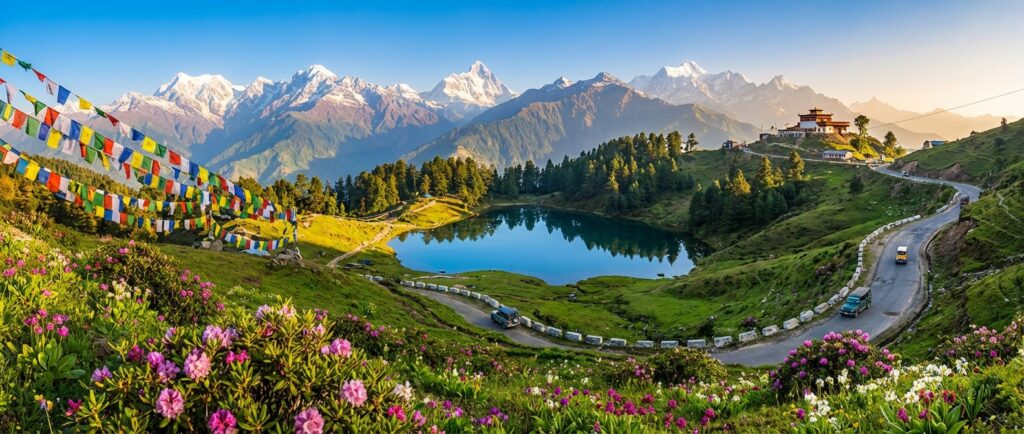
As temperatures soar across the plains of North India during summer, escaping to cooler climates becomes not just desirable but essential. While cities like Delhi, Jaipur, and Lucknow experience scorching temperatures exceeding 45 degrees Celsius, the northern hill stations and high-altitude destinations offer a refreshing respite with pleasant weather, stunning landscapes, and memorable experiences. Summer 2026 presents the perfect opportunity to explore these magnificent destinations that combine natural beauty with cultural richness.
North India’s diverse geography provides travelers with numerous options to beat the summer heat. From the snow-capped peaks of Ladakh to the colonial charm of Shimla, from the spiritual tranquility of Rishikesh to the adventure paradise of Manali, each destination offers unique experiences. Whether you’re seeking adventure sports, spiritual rejuvenation, family-friendly activities, or simply a peaceful retreat surrounded by nature, North India’s summer destinations cater to every type of traveler.
This comprehensive guide explores the seven best places to visit in North India during summer 2026, complete with detailed itineraries, budget recommendations, local cuisine suggestions, and insider tips to help you plan the perfect escape from the summer heat.
1. Ladakh – The Land of High Passes
Brief Overview
Ladakh, often called the “Land of High Passes,” is a high-altitude desert in the northernmost region of India. Accessible primarily from June onwards after the snow melts and roads open, Ladakh offers dramatic landscapes featuring barren mountains, turquoise lakes, ancient monasteries, and a unique Tibetan-Buddhist culture. Summer is the ideal time to visit as the weather remains pleasant with daytime temperatures ranging from 20-30 degrees Celsius, making it perfect for exploration and adventure activities.
Things to Do
- Visit the stunning Pangong Tso Lake, famous for its changing colors and breathtaking beauty
- Explore ancient monasteries like Thiksey, Hemis, and Diskit
- Experience the thrill of riding through Khardung La, one of the world’s highest motorable passes
- Camp under starlit skies in Nubra Valley
- Visit the mesmerizing Tso Moriri Lake
- Attend local festivals and witness traditional Ladakhi culture
- Try river rafting in the Zanskar River
- Explore Leh’s local markets for traditional handicrafts and Pashmina shawls
Best Weather and Photo Spots
The best time to visit Ladakh is from June to September, with July and August offering the warmest weather. Top photography locations include Pangong Lake at sunrise, Magnetic Hill, the sand dunes of Hunder in Nubra Valley with double-humped camels, Thiksey Monastery during morning prayers, and the Shanti Stupa at sunset overlooking Leh town.
Suggested Itinerary (7 Days)
- Day 1: Arrive in Leh, acclimatize, explore Leh Market and Shanti Stupa
- Day 2: Visit Thiksey Monastery, Hemis Monastery, and Shey Palace
- Day 3: Day trip to Pangong Tso Lake, overnight stay near the lake
- Day 4: Return to Leh via Changla Pass, rest and acclimatize
- Day 5: Drive to Nubra Valley via Khardung La, visit Diskit Monastery
- Day 6: Explore Hunder sand dunes, camel safari, return to Leh
- Day 7: Visit local markets for shopping, depart from Leh
Travel Tips
Budget: Expect to spend approximately 25,000-40,000 INR per person for a week, including accommodation, food, and local transport. Budget stays start from 800 INR per night, while mid-range hotels cost 2,500-5,000 INR.
Best Time to Book: Book flights and hotels at least 2-3 months in advance for summer travel. Flights to Leh should be booked by March-April for June-August travel to get better rates.
Local Food to Try: Thukpa (noodle soup), momos (dumplings), skyu (traditional pasta dish), butter tea, tingmo (steamed bread), and apricot jam made from local Ladakhi apricots.
Festivals and Events: Hemis Festival (June-July), celebrating the birth of Guru Padmasambhava with colorful mask dances and cultural performances.
2. Manali – The Valley of Gods
Brief Overview
Nestled in the Kullu Valley of Himachal Pradesh, Manali is one of North India’s most popular hill stations. Surrounded by towering Himalayan peaks, pine forests, and the gushing Beas River, Manali offers the perfect blend of adventure, natural beauty, and relaxation. Summer temperatures range from 10-25 degrees Celsius, making it an ideal escape from the plains.
Things to Do
- Visit the ancient Hadimba Temple surrounded by cedar forests
- Explore Old Manali’s hippie cafes and vibrant culture
- Trek to Jogini Falls or Hampta Pass
- Experience paragliding in Solang Valley
- Visit Rohtang Pass for snow activities (subject to permit availability)
- Explore the charming village of Vashisht with its hot springs
- Shop for woolens and handicrafts at Mall Road
- Go river rafting in the Beas River
Best Weather and Photo Spots
May to June offers pleasant weather with blooming flowers, while July-August brings monsoon greenery. Top photo spots include Hadimba Temple amidst deodar trees, sunrise at Solang Valley, panoramic views from Rohtang Pass, the quaint streets of Old Manali, and the Beas River against mountain backdrops.
Suggested Itinerary (5 Days)
- Day 1: Arrive in Manali, check-in, explore Mall Road
- Day 2: Visit Hadimba Temple, Vashisht Village, evening at Old Manali
- Day 3: Full day excursion to Solang Valley, adventure activities
- Day 4: Day trip to Rohtang Pass or trek to Jogini Falls
- Day 5: Visit local markets for shopping, depart
Travel Tips
Budget: A 5-day trip costs approximately 15,000-25,000 INR per person. Budget hotels range from 1,000-1,500 INR per night, while mid-range accommodations cost 3,000-6,000 INR.
Best Time to Book: Book accommodations by March-April for May-June travel. For adventure activities, advance booking ensures better availability and rates.
Local Food to Try: Sidu (wheat bread), aktori (festive cake), patande (sweet pancakes), trout fish, and Himalayan momos. Don’t miss the Israeli cuisine in Old Manali cafes.
Festivals and Events: Summer Festival in May showcases local culture, folk dances, and adventure sports competitions.
3. Shimla – The Queen of Hills
Brief Overview
Shimla, the capital of Himachal Pradesh, retains its colonial charm with Victorian architecture, pleasant weather, and panoramic Himalayan views. At an altitude of 2,205 meters, Shimla offers temperatures between 15-30 degrees Celsius during summer, perfect for leisurely walks, heritage exploration, and family vacations.
Things to Do
- Walk along the famous Mall Road and Ridge
- Visit the Viceregal Lodge showcasing colonial architecture
- Take the toy train ride on the UNESCO World Heritage Kalka-Shimla Railway
- Explore Jakhoo Temple dedicated to Lord Hanuman
- Visit Kufri for adventure activities and panoramic views
- Stroll through the lush Christ Church area
- Explore the State Museum to learn about Himachali culture
- Shop for handicrafts, woolens, and wooden items at Lakkar Bazaar
Best Weather and Photo Spots
May-June offers the best weather with clear skies. Prime photography locations include the Gothic-style Christ Church, sunset views from The Ridge, colonial architecture of Viceregal Lodge, panoramic vistas from Jakhoo Hill, and the charming toy train against mountain landscapes.
Suggested Itinerary (4 Days)
- Day 1: Arrive via toy train, explore Mall Road and Ridge
- Day 2: Visit Viceregal Lodge, Christ Church, and Scandal Point
- Day 3: Day trip to Kufri, adventure activities, visit Green Valley
- Day 4: Visit Jakhoo Temple, shopping at Lakkar Bazaar, depart
Travel Tips
Budget: Plan for 12,000-20,000 INR per person for 4 days. Budget stays start from 1,200 INR, while heritage hotels cost 4,000-8,000 INR per night.
Best Time to Book: Reserve toy train tickets at least 2 months in advance. Hotels should be booked by March for May-June travel to avoid peak season price hikes.
Local Food to Try: Chana madra, babru (stuffed bread), tudkiya bhath (Himachali pulao), and siddu. Try local cafes on Mall Road for continental cuisine with mountain views.
Festivals and Events: Summer Festival in June features cultural programs, exhibitions, and flower shows at Ridge Maidan.
4. Rishikesh – The Yoga Capital of the World
Brief Overview
Located at the foothills of the Himalayas along the holy Ganges River, Rishikesh is renowned for yoga, spirituality, and adventure sports. While summers can be warm (25-40 degrees Celsius), the riverside location and spiritual atmosphere make it a rejuvenating destination. Early mornings and evenings remain pleasant, perfect for yoga and meditation.
Things to Do
- Attend evening Ganga Aarti at Parmarth Niketan or Triveni Ghat
- Join yoga and meditation sessions at renowned ashrams
- Experience white water rafting on the Ganges
- Walk across the iconic Laxman Jhula and Ram Jhula suspension bridges
- Try bungee jumping at India’s highest bungee jumping facility
- Visit ancient temples like Neelkanth Mahadev
- Explore Beatles Ashram with its colorful graffiti
- Take a trek to Neer Garh Waterfall
Best Weather and Photo Spots
Visit in May-June for comfortable weather, avoiding peak summer heat. Best photo opportunities include sunrise at Laxman Jhula, evening Ganga Aarti ceremonies, colorful murals at Beatles Ashram, rafting action shots, and panoramic views from hilltop temples.
Suggested Itinerary (3 Days)
- Day 1: Arrive, check into ashram or hotel, attend evening Ganga Aarti
- Day 2: Morning yoga session, rafting adventure, explore Laxman Jhula area
- Day 3: Visit Beatles Ashram, Neelkanth Mahadev Temple, depart
Travel Tips
Budget: A 3-day trip costs approximately 8,000-15,000 INR per person. Ashram stays range from 500-1,500 INR, while hotels cost 1,500-4,000 INR per night.
Best Time to Book: Book yoga retreats and adventure activities by February-March for summer availability. Accommodation can be found last-minute but advance booking ensures better choices.
Local Food to Try: Rishikesh is vegetarian, so enjoy aloo puri, chole bhature, fresh fruit juices, organic cafe food, and traditional South Indian dishes at ashram cafeterias.
Festivals and Events: International Yoga Festival in March attracts global participants, while continuous yoga workshops run throughout summer.
5. Nainital – The Lake District of India
Brief Overview
Perched around the beautiful Naini Lake at 2,084 meters altitude in Uttarakhand, Nainital is a picturesque hill station known for its serene lakes, colonial architecture, and pleasant summer weather. With temperatures ranging from 10-27 degrees Celsius, it offers a perfect family-friendly escape with boating, viewpoints, and natural beauty.
Things to Do
- Enjoy boating on the emerald Naini Lake
- Take the cable car to Snow View Point for Himalayan panoramas
- Visit Naina Devi Temple on the northern shore
- Explore Mall Road for shopping and dining
- Trek to Tiffin Top (Dorothy’s Seat) for sunset views
- Visit nearby Bhimtal, Sattal, and Naukuchiatal lakes
- Explore the Governor’s House and colonial architecture
- Take nature walks in Eco Cave Gardens
Best Weather and Photo Spots
May-June offers ideal weather with blooming flowers. Top photography spots include Naini Lake reflections at dawn, panoramic views from Snow View Point, colonial buildings on Mall Road, sunset at Tiffin Top, and the vibrant Tibetan Market.
Suggested Itinerary (3 Days)
- Day 1: Arrive, boating on Naini Lake, explore Mall Road
- Day 2: Visit Snow View Point, Naina Devi Temple, evening at Eco Cave Gardens
- Day 3: Day trip to Bhimtal and Sattal, depart
Travel Tips
Budget: Plan for 10,000-18,000 INR per person for 3 days. Budget accommodations start from 1,000 INR, while lake-view hotels cost 3,000-6,000 INR per night.
Best Time to Book: Book hotels by March-April for May-June travel. Peak season brings higher rates and crowds, so early booking is advantageous.
Local Food to Try: Bal mithai (chocolate-like fudge), singori (cone-shaped sweet), Kumaoni raita, bhatt ki churkani (black soybean curry), and fresh water chestnuts available by the lake.
Festivals and Events: Summer Carnival in May-June features cultural performances, boat races, and handicraft exhibitions.
6. Mussoorie – The Queen of the Himalayan Hills
Brief Overview
Situated at an altitude of 1,880 meters in the Garhwal Himalayas, Mussoorie offers spectacular views of the Doon Valley and Himalayan ranges. Known for its colonial charm, waterfalls, and pleasant summer climate (15-30 degrees Celsius), Mussoorie attracts families, honeymooners, and nature enthusiasts seeking a peaceful mountain retreat.
Things to Do
- Walk along the scenic Camel’s Back Road
- Visit Kempty Falls for a refreshing dip
- Explore Gun Hill via cable car for panoramic views
- Take a stroll on the bustling Mall Road
- Visit Lal Tibba, Mussoorie’s highest point
- Explore Company Garden with its colorful flowers
- Visit Cloud’s End for quiet nature walks
- Shop for antiques, woolens, and handicrafts
Best Weather and Photo Spots
May-June provides the best weather before monsoon. Prime photo locations include sunrise at Lal Tibba, Gun Hill views, Kempty Falls surrounded by lush greenery, colonial architecture on Mall Road, and panoramic vistas from Camel’s Back Road.
Suggested Itinerary (3 Days)
- Day 1: Arrive, explore Mall Road, visit Gun Hill via cable car
- Day 2: Trip to Kempty Falls, visit Company Garden, walk on Camel’s Back Road
- Day 3: Visit Lal Tibba, shopping, depart
Travel Tips
Budget: Expect to spend 9,000-16,000 INR per person for 3 days. Budget hotels range from 1,000-1,800 INR, while premium properties with valley views cost 4,000-7,000 INR per night.
Best Time to Book: Reserve accommodations by March for May-June travel. Weekend rates are significantly higher, so weekday travel offers better value.
Local Food to Try: Momos, maggi noodles at roadside stalls, Garhwali cuisine including kafuli and phaanu, and various continental dishes at Mall Road restaurants.
Festivals and Events: Summer Festival showcases local culture, handicrafts, and adventure activities.
7. Spiti Valley – The Middle Land
Brief Overview
Spiti Valley, meaning “The Middle Land,” sits between India and Tibet at an average altitude of 4,270 meters in Himachal Pradesh. This cold desert mountain valley opens for tourism from late May onwards, offering stark, dramatic landscapes, ancient monasteries, and a unique Tibetan Buddhist culture. Summer temperatures range from 5-20 degrees Celsius, perfect for exploring this remote Himalayan wonderland.
Things to Do
- Visit the ancient Key Monastery, Spiti’s largest monastery
- Explore the charming village of Kibber, one of the world’s highest inhabited villages
- Witness the stunning Chandratal Lake (Moon Lake)
- Visit Tabo Monastery with its ancient murals and scriptures
- Explore the fossil village of Langza
- Experience homestays with local families
- Spot rare Himalayan wildlife including snow leopards and blue sheep
- Visit Pin Valley National Park
Best Weather and Photo Spots
June to September offers the best weather for exploration. Must-capture moments include sunrise at Chandratal Lake, the dramatic landscape of Langza with its Buddha statue, Key Monastery perched on a hilltop, colorful prayer flags against barren mountains, and star trails in the clear night sky.
Suggested Itinerary (6 Days)
- Day 1: Drive from Manali to Kaza via Kunzum Pass
- Day 2: Explore Kaza, visit Key Monastery and Kibber village
- Day 3: Day trip to Langza and Hikkim (world’s highest post office)
- Day 4: Visit Tabo Monastery and Dhankar Monastery
- Day 5: Trek or drive to Chandratal Lake, camping
- Day 6: Return to Manali
Travel Tips
Budget: A 6-day Spiti trip costs approximately 20,000-35,000 INR per person. Homestays range from 800-1,500 INR, while hotels cost 2,000-4,000 INR per night. Factor in high transportation costs due to remote location.
Best Time to Book: Book permits and accommodations by April for June-August travel. Homestays fill quickly, and advance booking ensures availability.
Local Food to Try: Thukpa, thenthuk (hand-pulled noodle soup), momos, butter tea, local barley dishes, and chhang (barley beer).
Festivals and Events: Losar (Tibetan New Year) celebrations sometimes extend into early summer, featuring masked dances and cultural programs at monasteries.
Complete Road Trip Plan: 21-Day North India Summer Circuit
For travelers wanting to experience multiple destinations, here’s a comprehensive road trip itinerary covering the best of North India’s summer escapes:
Starting Point: Delhi
Ending Point: Delhi
Total Duration: 21 days
Estimated Budget: 60,000-90,000 INR per person (including transportation, accommodation, food, and activities)
Day-by-Day Breakdown
- Days 1-2: Delhi to Shimla (342 km, 7-8 hours drive). Explore Shimla’s colonial charm, Mall Road, and Ridge.
- Days 3-4: Shimla to Manali (250 km, 7-8 hours). Visit Hadimba Temple, Old Manali, and Vashisht hot springs.
- Days 5-6: Manali exploration. Day trip to Solang Valley and Rohtang Pass.
- Days 7-11: Manali to Spiti Valley circuit (return). Explore Kaza, Key Monastery, Langza, Tabo, and Chandratal Lake.
- Day 12: Return to Manali. Rest day.
- Days 13-14: Manali to Rishikesh (530 km, 12 hours drive with stops). Evening Ganga Aarti.
- Days 15-16: Rishikesh exploration. Rafting, yoga, Beatles Ashram, and temple visits.
- Days 17-18: Rishikesh to Mussoorie (80 km, 2.5 hours). Visit Kempty Falls, Gun Hill, and Mall Road.
- Days 19-20: Mussoorie to Nainital (280 km, 8 hours). Boating on Naini Lake, Snow View Point.
- Day 21: Nainital to Delhi (300 km, 7 hours). Conclude trip.
Alternative Route Including Ladakh: For those with more time (30 days), fly from Delhi to Leh, spend 7 days in Ladakh, then continue the circuit from Manali onwards.
Transportation Tips: Rent a self-drive vehicle or hire a driver for the entire circuit. Book vehicles through reputable agencies at least one month in advance. Ensure the vehicle is suitable for mountain terrain.
Accommodation Strategy: Mix budget homestays in remote areas (Spiti) with mid-range hotels in popular destinations (Shimla, Manali) to balance comfort and budget.
Also Consider: Bonus Summer Destinations in North India
Dharamshala and McLeod Ganj
Home to the Dalai Lama and Tibetan government-in-exile, Dharamshala offers spiritual experiences, Tibetan culture, and stunning Dhauladhar mountain views. Visit Namgyal Monastery, enjoy Tibetan cuisine, and trek to Triund for panoramic vistas. Summer temperatures range from 15-28 degrees Celsius, ideal for exploration.
Kasol and Parvati Valley
Known as “Mini Israel of India,” Kasol in Parvati Valley attracts backpackers with its hippie culture, trekking opportunities, and riverside camping. Explore nearby villages like Tosh and Malana, enjoy Israeli cafes, and trek to Kheerganga hot springs. Perfect for budget travelers seeking offbeat experiences.
Dalhousie
This quieter hill station offers colonial architecture, pine forests, and panoramic Himalayan views without the crowds of Shimla or Mussoorie. Visit Khajjiar (mini Switzerland of India), St. John’s Church, and enjoy leisurely walks on the five scenic hills. Ideal for peaceful family vacations.
Auli
Famous as India’s premier ski resort in winter, Auli transforms into a lush green paradise in summer. Take the cable car for stunning valley views, trek to nearby peaks, and visit the Valley of Flowers (late June-August) nearby. Perfect for nature enthusiasts and trekkers.
Chopta and Tungnath
Known as the “Mini Switzerland of Uttarakhand,” Chopta offers pristine meadows and access to Tungnath, the world’s highest Shiva temple. Trek to Chandrashila Peak for 360-degree Himalayan views. Ideal for trekking enthusiasts seeking less commercialized destinations.
Pahalgam
Located in Kashmir Valley, Pahalgam offers lush meadows, Lidder River adventures, and access to Amarnath Cave pilgrimage. Experience houseboat stays in Srinagar, explore Mughal gardens, and enjoy pony rides to Betaab Valley. Security has improved significantly, making it accessible for summer 2026 travel.
Final Tips for Planning Your North India Summer Escape
Health and Altitude Acclimatization: For high-altitude destinations like Ladakh and Spiti, allow 1-2 days for acclimatization. Stay hydrated, avoid alcohol initially, and carry altitude sickness medication. Consult your doctor before traveling to high-altitude areas.
Packing Essentials: Despite summer timing, carry layered clothing including light woolens for evenings in hill stations. Pack sunscreen (high SPF), sunglasses, hats, comfortable walking shoes, and any prescription medications. For Ladakh and Spiti, include warm clothing even in summer.
Environmental Responsibility: Practice responsible tourism by avoiding single-use plastics, disposing waste properly, respecting local cultures and traditions, and supporting local businesses. Many destinations now have strict environmental regulations.
Permits and Documentation: Ladakh’s restricted areas require Inner Line Permits. Spiti Valley needs permits for certain zones. Carry multiple photocopies of identification documents. Check current permit requirements before travel as regulations may change.
Connectivity: Mobile network coverage is limited in remote areas like Spiti and parts of Ladakh. Download offline maps and important information beforehand. BSNL generally offers better coverage in mountain regions.
Travel Insurance: Invest in comprehensive travel insurance covering high-altitude destinations, adventure activities, and medical emergencies. This provides peace of mind, especially for remote area travel.
Booking Platforms: Use reliable platforms for booking accommodations and activities. Read recent reviews, especially for homestays and remote properties. Contact properties directly for accurate information about facilities.
Summer 2026 in North India promises unforgettable experiences across diverse landscapes, from the stark beauty of high-altitude deserts to the lush green hill stations. Whether you seek adventure, spirituality, cultural immersion, or simply a cool retreat from summer heat, these seven destinations and bonus options offer something for every traveler. Plan ahead, respect local environments and cultures, and prepare for a summer escape that will create memories lasting far beyond the season. The mountains are calling, and North India’s summer destinations await your arrival with open arms and pleasant breezes.
Leave a Reply