
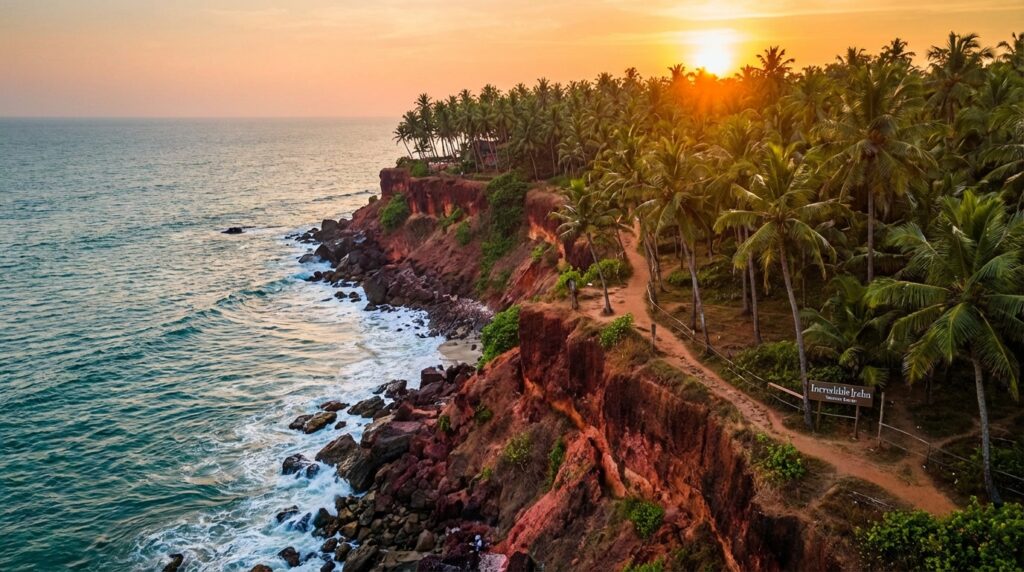
When most travelers think of South India, the iconic backwaters of Kerala or the majestic temples of Tamil Nadu immediately come to mind. But hidden beneath the surface of these well-trodden paths lie secret destinations in South India that remain blissfully untouched by mass tourism. These hidden gems offer an authentic experience where you can wander through mist-covered hills, explore ancient villages frozen in time, and discover pristine beaches without another soul in sight. From the forgotten fortresses of Karnataka to the tribal settlements of the Western Ghats, these ten lesser-known destinations promise adventures that most guidebooks haven’t caught up with yet. If you’re tired of battling crowds at popular tourist spots and crave the thrill of genuine discovery, this comprehensive travel guide will unlock South India’s best-kept secrets for your 2026 journey.
Quick Travel Information
- Best Time to Visit: October to March (post-monsoon and winter months offer pleasant weather across most destinations)
- Nearest Major Airports: Kempegowda International Airport (Bangalore), Cochin International Airport (Kochi), Trivandrum International Airport, Mangalore International Airport
- Expected Budget: Budget travelers: ₹1,500-2,500 per day | Mid-range: ₹3,000-6,000 per day | Luxury: ₹8,000+ per day
- Visa Requirements: e-Visa available for most nationalities (apply at least 4 days before travel)
- Languages: English widely spoken in tourist areas; regional languages include Kannada, Malayalam, Tamil, and Telugu
1. Gokarna, Karnataka: The Bohemian Beach Paradise
Gokarna remains one of the most underrated coastal destinations despite being just a few hours from Goa. This sacred temple town transforms into a laid-back beach haven where spiritual seekers and backpackers coexist peacefully. Unlike its commercialized neighbor, Gokarna has preserved its authenticity with pristine beaches accessible only by foot or boat, creating natural barriers against mass tourism.
Top Things to Do in Gokarna
The beach-hopping trail is Gokarna’s crown jewel. Start early morning at Kudle Beach, then trek through the coastal path to Om Beach, where the shoreline curves into the sacred Om symbol. Continue to Half Moon Beach and Paradise Beach, both accessible only by trekking or boat, ensuring solitude that’s increasingly rare in India. The Mahabaleshwar Temple, dedicated to Lord Shiva, stands as the spiritual heart of the town where locals perform ancient rituals unchanged for centuries.
Secret Food Spots You Can’t Miss
Prema Restaurant serves authentic South Indian thalis that locals swear by, with unlimited refills for just ₹120. For fresh seafood, head to the beach shacks at Om Beach where fishermen sell their morning catch directly to small restaurants. Mantra Cafe offers the best wood-fired pizzas and Israeli breakfast platters, reflecting Gokarna’s diverse traveler community. Don’t leave without trying the filter coffee at Pai Hotel near the main temple.
Local Culture and Etiquette
Gokarna is a temple town first and tourist destination second. When visiting Mahabaleshwar Temple, dress modestly covering shoulders and knees. Photography inside the temple is strictly prohibited. The town observes quiet hours after 10 PM, respecting the spiritual atmosphere. Despite the beach culture, beachwear should be reserved for the beaches and changed before entering the main town area.
Transport Logistics and Getting Around
Gokarna Road railway station connects to major cities, but the station sits 10 kilometers from town requiring an auto-rickshaw ride. Rent a scooter for ₹300-400 per day to explore surrounding areas like Yana Caves and Vibhooti Falls. Local transport between beaches relies on walking or boat services. Private taxi services charge ₹800-1,200 for airport transfers to Goa or Mangalore.
2. Chettinad, Tamil Nadu: Architectural Heritage and Culinary Heaven
The Chettinad region encompasses 78 villages showcasing palatial mansions built by wealthy merchant families in the 19th and 20th centuries. This area remains largely unexplored by international tourists, offering an authentic glimpse into Tamil Nadu’s mercantile heritage. The region is equally famous for its distinctive cuisine, which has influenced South Indian cooking worldwide yet remains best experienced at its source.
Exploring Chettinad’s Architectural Wonders
Kanadukathan village hosts the highest concentration of heritage mansions. The Chettiar mansions feature massive courtyards, ornate pillars imported from Burma, Italian marble floors, and intricate woodwork that showcases forgotten craftsmanship. Many families have converted ancestral homes into heritage hotels where you can actually stay within these architectural marvels. The Athangudi tile-making tradition continues here, where artisans create colorful handmade tiles using centuries-old techniques.
Chettinad’s Legendary Cuisine
Chettinad cuisine ranks among India’s spiciest and most flavorful regional cooking styles. Must-try dishes include Chettinad chicken curry, kola urundai (spicy meatballs), and the elaborate vegetarian spread featuring karakuzhambu and more. The Visalam heritage hotel serves an authentic Chettinad feast on banana leaves. For street food, visit Karaikudi’s market area for fresh appams and stew or piping hot idiyappam with coconut milk.
Temple Circuit and Spiritual Sites
The region houses several powerful temples including Pillayarpatti Karpaga Vinayagar Temple, carved entirely from a single rock, and Kundrakudi Murugan Temple perched on a hill with panoramic views. Unlike crowded temple towns, these sacred sites maintain peaceful atmospheres perfect for contemplation and architectural appreciation.
3. Agumbe, Karnataka: The Cherrapunji of South India
Agumbe receives India’s second-highest rainfall, creating a lush rainforest ecosystem teeming with endemic wildlife. This tiny village in the Western Ghats serves as a biodiversity hotspot where you can witness king cobras in their natural habitat, trek through pristine forests to hidden waterfalls, and experience the monsoon in all its dramatic glory.
Wildlife and Nature Experiences
The Agumbe Rainforest Research Station offers guided night walks where naturalists help spot rare reptiles, frogs, and insects. The region hosts the highest density of king cobras in the world. Trek to Onake Abbi Falls, a stunning waterfall accessible through dense forest trails. The Sunset Point viewpoint provides spectacular vistas over the Arabian Sea on clear days. Barkana Falls, among Karnataka’s tallest waterfalls, requires a challenging trek but rewards with breathtaking views.
Where to Stay and Eat
Accommodation options are limited, making advance booking essential. Malnad Paradise Homestay and Jogigundi Falls Homestay offer authentic village experiences with home-cooked Malnad cuisine. Expect simple but clean rooms and incredibly hospitable hosts who’ll arrange treks and naturalist guides. Meals typically feature locally grown produce, fresh fish from nearby rivers, and traditional preparations you won’t find in restaurants.
4. Gandikota, Andhra Pradesh: India’s Own Grand Canyon
Gandikota’s massive gorge carved by the Penna River creates dramatic landscapes reminiscent of Arizona’s Grand Canyon. This 13th-century fort village remains surprisingly unknown despite offering some of South India’s most spectacular natural scenery and historical architecture. The combination of ancient fortifications and geological wonders makes Gandikota a photographer’s paradise.
Exploring the Fort and Canyon
The Gandikota Fort complex sprawls across the plateau edge with massive stone gateways, granaries, and temples. Walk along the fort walls for vertiginous views into the 300-foot-deep gorge. The Ranganatha Swamy Temple and Madhavaraya Temple within the fort showcase stunning medieval architecture. The canyon viewpoint at sunset becomes magical when the rocks glow orange and red. A river trail allows adventurous visitors to descend to the riverbed, though it requires good fitness and proper footwear.
Adventure Activities
Rock climbing and rappelling are organized by local adventure groups during weekends. Kayaking on the Penna River is available through advance bookings. Serious photographers should plan for a two-night stay to capture sunrise, sunset, and nighttime star photography at different viewpoints along the canyon.
5. Lepakshi, Andhra Pradesh: The Temple of Suspended Wonder
Lepakshi’s Veerabhadra Temple stands as an architectural enigma with its famous hanging pillar that doesn’t touch the ground. Built in the 16th century during Vijayanagara rule, this temple complex showcases incredible frescoes, monolithic sculptures, and engineering marvels that continue to puzzle modern architects. Located just 120 kilometers from Bangalore, Lepakshi makes an excellent day trip yet receives a fraction of the visitors compared to more famous sites.
Architectural Highlights and Mysteries
The hanging pillar defies gravity with a visible gap between its base and the floor—locals demonstrate by passing cloth underneath. The temple’s ceiling features 1,000 intricately painted panels depicting scenes from epics like Mahabharata, Ramayana, and Puranas. A massive monolithic Nandi bull carved from a single granite block sits 200 meters from the temple, ranking among India’s largest such sculptures. The Kalyana Mandapa (marriage hall) showcases 70 pillars with each capital carved in unique designs.
6. Wayanad, Kerala: Misty Mountains and Tribal Heritage
Wayanad district in Kerala’s northeast corner offers a perfect blend of hill station charm, wildlife encounters, and tribal culture without the commercialization plaguing Munnar or Thekkady. This region preserves ancient tribal traditions while offering nature lovers access to waterfalls, caves, trekking trails, and wildlife sanctuaries.
Nature and Adventure Activities
Chembra Peak trek leads to a heart-shaped lake at 2,100 meters elevation. The trek requires forest permits and takes 3-4 hours each way but rewards with stunning views across the Western Ghats. Edakkal Caves contain prehistoric rock art dating back 6,000 years. Soochipara Waterfalls allows swimming in natural pools at the base. Muthanga Wildlife Sanctuary offers jeep safaris where elephants, deer, and occasionally leopards can be spotted.
Tribal Culture and Heritage
Wayanad hosts several indigenous tribal communities including Paniyas, Adiyars, and Kurichyas. Visit tribal heritage museums to understand their unique cultures and traditional lifestyles. Responsible tour operators arrange ethical village visits where you can learn about traditional medicine, bamboo crafts, and farming practices while ensuring the community benefits economically.
Coffee and Spice Plantation Tours
Wayanad produces exceptional coffee and spices. Join plantation tours that explain the journey from seedling to cup. Many plantations sell directly to visitors at prices lower than retail markets. The region’s honey, especially from bee farms near forests, has exceptional flavor and medicinal properties.
7. Hampi, Karnataka: The Ruins That Time Forgot
While Hampi technically appears in some guidebooks, most travelers barely scratch the surface of this vast UNESCO World Heritage Site spanning 40 square kilometers. The ruins of Vijayanagara Empire’s capital contain over 1,600 monuments scattered across a surreal boulder-strewn landscape. Exploring Hampi’s lesser-known areas reveals architectural wonders without crowds, secret temples hidden among rocks, and sunset viewpoints known only to locals.
Beyond the Main Monuments
Most visitors stick to Vittala Temple and Virupaksha Temple, missing extraordinary sites like the Queen’s Bath with its Indo-Islamic architecture, the Underground Shiva Temple where you wade through ankle-deep water to reach the sanctum, and the Sasivekalu Ganesha monolith carved from a single boulder. Hire a bicycle (₹100 per day) to explore the entire area efficiently. Cross the river to Anegundi village, believed to be older than Hampi itself, where traditional life continues among ancient structures.
Rock Climbing and Bouldering
Hampi has emerged as one of Asia’s premier bouldering destinations. The unique granite formations provide thousands of problems ranging from beginner to expert level. Local operators rent crash pads and offer guided climbing sessions. Even if you’re not a climber, watching sunset from the bouldering areas presents magical perspectives of the ruins.
8. Munroe Island, Kerala: Backwaters Without the Crowds
While tourists flock to Alleppey’s backwaters, Munroe Island remains a peaceful alternative offering authentic village life without floating hotel boats. This cluster of eight small islands connected by canals provides an intimate backwater experience where you glide through narrow waterways, witness coir-making, toddy-tapping, and traditional fishing while staying in genuine village homes.
The Authentic Backwater Experience
Canoe tours through Munroe Island navigate channels so narrow that vegetation brushes both sides of the boat. Unlike mechanized houseboats, traditional canoes allow you to hear bird calls, observe village life up close, and interact with locals. The canoe operator may pause at toddy shops, coir-making units, or fish farms explaining the local economy. Tours typically last 2-3 hours and cost ₹300-500 per person.
Village Activities and Local Crafts
Watch coir-making from coconut husks, a traditional industry employing many islanders. Visit during toddy-tapping season to see climbers ascend palm trees twice daily collecting sap. Some homestays arrange cooking demonstrations teaching Kerala specialties like appam, fish curry, and coconut-based dishes using ingredients from backyard gardens.
9. Coorg (Beyond the Tourist Trail)
Coorg (Kodagu) attracts tourists, but most stick to Abbey Falls and Raja’s Seat. Venture into lesser-known areas to discover the real Coorg—remote coffee estates, Tibetan settlements, challenging treks, and Kodava culture preserved in ancestral homes. The region’s biodiversity rivals any protected sanctuary, with endemic bird species, wild elephants, and dense forests carpeting the Western Ghats.
Secret Waterfalls and Hidden Trails
Skip crowded Abbey Falls for Chelavara Falls, requiring a 1-kilometer trek through coffee estates to reach the multi-tiered cascade. Mallalli Falls near Somwarpet is Karnataka’s highest waterfall but demands a challenging 4-kilometer trek each way through protected forests. Iruppu Falls on the Brahmagiri Range connects to ancient temple legends and offers pristine swimming pools. Local guides can arrange off-trail treks to unexplored waterfalls known only to estate workers.
Kodava Culture and Cuisine
The Kodava people maintain distinct cultural practices including unique traditional dress, martial arts, and cuisine. Visit Kodava homes during Puthari (harvest festival) if your timing allows. The Kodava language is unwritten and distinct from Kannada. Their cuisine features pork, rice-based preparations, and unique spice blends available in local markets.
10. Badami, Pattadakal, and Aihole Circuit: Cradle of Indian Temple Architecture
This triumvirate of historically significant sites showcases the evolution of Indian temple architecture from the 6th to 8th centuries under Chalukya rule. Despite their UNESCO World Heritage status and architectural importance, these sites remain surprisingly quiet compared to other historical monuments. The combination of cave temples, free-standing structures, and a dramatic rocky landscape creates an explorer’s paradise.
Badami’s Cave Temples and Fort
Four spectacular cave temples carved into red sandstone cliffs overlook the Agastya Lake. Cave Temple 1 dedicates to Shiva, featuring an 18-armed Nataraja sculpture. Cave Temple 3 showcases the finest Chalukyan sculpture with elaborate pillars and ceiling panels. Climb to Badami Fort at sunrise for breathtaking views across the town and surrounding boulder landscape. The Upper Shivalaya Temple perched at the cliff’s edge rewards the steep climb with serene isolation.
Pattadakal’s Architectural Laboratory
Pattadakal served as the Chalukyas’ experimental ground where North and South Indian architectural styles merged. The Virupaksha Temple represents the culmination of their achievements. Unlike Badami, Pattadakal’s monuments stand in open settings allowing detailed architectural study. The intricate carvings depicting mythological scenes maintain remarkable preservation.
Aihole’s 125 Temples
Aihole contains over 125 temples scattered across the village and surrounding areas. The Durga Temple (despite the name, dedicated to Vishnu) features unique apsidal architecture rare in Indian temples. The Ravanphadi Cave Temple and Meguti Temple require short climbs but offer solitude and excellent views. Aihole’s temples represent early experimentation that eventually led to the perfected forms at Pattadakal.
Detailed 10-Day Itinerary: Exploring South India’s Hidden Treasures
This realistic itinerary covers six of the ten destinations, allowing adequate time for exploration without exhausting rush. You can modify based on your interests and available time.
Day 1: Arrival in Bangalore → Lepakshi
Arrive at Bangalore airport, pick up your rental car or hire a taxi. Drive to Lepakshi (120 km, 3 hours). Check into a heritage hotel in nearby Hindupur. Afternoon visit to Veerabhadra Temple exploring the hanging pillar, frescoes, and monolithic Nandi. Evening at leisure. Overnight in Hindupur.
Day 2: Lepakshi → Gandikota
Early breakfast and depart for Gandikota (220 km, 4.5 hours). Check into Haritha Resort or camping arrangements. Afternoon exploration of Gandikota Fort and initial canyon viewpoints. Sunset at the main canyon overlook. Night photography session if the sky is clear. Overnight camping or resort stay at Gandikota.
Day 3: Gandikota → Hampi
Sunrise at the canyon, breakfast, then drive to Hampi (250 km, 5 hours). Check into guesthouse in Hippie Island. Late afternoon visit to Virupaksha Temple and Hampi Bazaar. Sunset from any riverside boulder cluster. Dinner at one of the island’s organic cafes. Overnight in Hampi.
Day 4: Full Day in Hampi
Early morning climb to Anjaneya Hill for sunrise. Return for breakfast. Rent bicycles and spend the day exploring Vittala Temple complex, Queen’s Bath, Royal Enclosure, Underground Temple, and Riverside Ruins. Cross to Anegundi village by coracle boat to explore the older settlement. Sunset at Hemakuta Hill. Overnight in Hampi.
Day 5: Hampi → Badami
Leisurely breakfast, depart for Badami (140 km, 3 hours). Check into hotel. Afternoon visit to the four cave temples. Evening walk around Agastya Lake and old town. Light and sound show if operating. Overnight in Badami.
Day 6: Pattadakal and Aihole Day Trip
Early departure with packed breakfast. Visit Pattadakal first (22 km, spend 2-3 hours). Continue to Aihole (24 km further, spend 3-4 hours exploring major temples). Return to Badami by evening. Climb to Badami Fort for sunset if energy permits. Overnight in Badami.
Day 7: Badami → Gokarna
Drive to Gokarna (200 km, 4.5 hours). Check into beach hut at Om Beach. Afternoon beach time and swimming. Walk to Half Moon Beach before sunset. Fresh seafood dinner at beachfront cafe. Overnight in Gokarna.
Day 8: Gokarna Beach Exploration
Early morning start for the beach trek from Gokarna main beach through Kudle, Om, Half Moon to Paradise Beach. Spend time at each beach, swimming and relaxing. Return by boat or trek back. Evening visit to Mahabaleshwar Temple. Sunset from Om Beach. Overnight in Gokarna.
Day 9: Gokarna → Agumbe
Depart for Agumbe (180 km, 5 hours through scenic Western Ghats). Check into homestay. Afternoon trek to Onake Abbi Falls or nearby forest trails. Evening at Sunset Point (weather permitting). Dinner featuring local Malnad cuisine. Overnight in Agumbe.
Day 10: Agumbe → Mangalore/Bangalore Departure
Early morning nature walk around the village. Visit Agumbe Rainforest Research Station if open. Breakfast at homestay. Drive to Mangalore airport (100 km, 2.5 hours) or continue to Bangalore airport (350 km, 7 hours) depending on your flight. If time permits, stop at Kollur Mookambika Temple en route.
Leave a Reply