
Travel has never been more accessible for Indian passport holders than it is in 2026. With India climbing to the 80th position in the Henley Passport Index and gaining visa-free or visa-on-arrival access to 55 destinations, the world has truly opened up for wanderlust-filled Indians. Whether you’re dreaming of pristine beaches, snow-capped mountains, vibrant cities, or cultural immersions, this comprehensive guide will help you navigate the best destinations that won’t break the bank.
Gone are the days when international travel seemed like a distant dream reserved only for the wealthy. Today, strategic planning, budget airlines, and favorable visa policies have made exploring the world more affordable than ever. From Southeast Asian gems to Middle Eastern marvels, from tropical island paradises to Himalayan hideaways, Indian travelers have an abundance of choices that cater to every budget, interest, and travel style.
🏆 Top 5 Travel Destinations for Indian Passport Holders in 2026
🇹🇭 Thailand: The Ultimate Budget Paradise
Visa-free entry for 60 days | Budget: ₹2,000-3,500/day
Overview
Thailand continues to reign as the number one destination for Indian travelers, and for good reason. From the bustling streets of Bangkok to the tranquil islands of Phuket and Koh Samui, Thailand seamlessly combines modernity with tradition. The Land of Smiles welcomes approximately 40 million tourists annually, and Indian visitors form a significant portion of this number thanks to the country’s accessibility and affordability.
Things to Do
- Explore the Grand Palace and Wat Pho in Bangkok, home to the iconic Reclining Buddha
- Take a longtail boat tour through the stunning Phi Phi Islands and Maya Bay
- Experience the vibrant nightlife of Pattaya and Bangkok
- Visit the ancient temples and elephant sanctuaries in Chiang Mai
- Participate in the legendary Full Moon Party at Koh Phangan
- Shop at the floating markets and weekend bazaars
- Indulge in authentic Thai cooking classes
- Enjoy affordable spa treatments and traditional Thai massages
Best Weather & Photo Spots
The best time to visit Thailand is between November and February when the weather is cooler and drier. For photography enthusiasts, don’t miss the sunrise at Wat Arun, the golden hour at Phi Phi viewpoint, the lantern-lit streets of Chiang Mai’s old city, and the turquoise waters of Railay Beach. The contrast of orange-robed monks against ornate temple architecture provides stunning cultural photography opportunities.
Suggested Itinerary
Budget: Daily expenses range from ₹2,000 to ₹3,500 including accommodation, food, and local transport. Round-trip flights from major Indian cities cost between ₹13,000 to ₹20,000.
Best Time to Book: Book flights 2-3 months in advance for the best deals. Consider flying on weekdays for cheaper fares. Hotels and guesthouses can be booked closer to your travel date for flexibility.
Local Food to Try: Pad Thai, Tom Yum soup, Green Curry, Mango Sticky Rice, Som Tam (papaya salad), and street-side satay skewers. Vegetarian options are readily available, and meals cost as little as ₹150-200.
Festivals and Events: Songkran Water Festival (April 13-15), Loy Krathong Lantern Festival (November), and Chinese New Year celebrations make Thailand even more vibrant during these periods.
🇮🇩 Bali, Indonesia: Island Paradise on a Budget
Visa-on-arrival | Budget: ₹2,000-3,500/day
Overview
Bali has emerged as a dream destination combining tropical beauty, spiritual experiences, adventure activities, and incredibly affordable luxury. Known as the Island of Gods, Bali is Indonesia’s crown jewel featuring lush rice terraces, ancient temples, pristine beaches, and a thriving wellness culture. From yoga retreats in Ubud to beach clubs in Seminyak, Bali caters to every type of traveler.
Things to Do
- Watch the sunrise at Mount Batur after a pre-dawn trek
- Visit the iconic Tanah Lot temple perched on ocean rocks
- Explore the Tegallalang Rice Terraces in Ubud
- Experience traditional Balinese dance performances
- Go surfing at Kuta Beach or snorkeling at Nusa Penida
- Take a day trip to the Instagram-famous Gates of Heaven at Lempuyang Temple
- Indulge in affordable spa treatments and yoga sessions
- Visit monkey forests and sacred water temples
Best Weather & Photo Spots
May to September offers the best weather with minimal rainfall. Top photo locations include the Handara Gate, Tukad Cepung Waterfall with its natural light rays, Sidemen Valley rice fields, and sunset at Uluwatu Temple. The island’s natural beauty provides endless Instagram-worthy moments.
Suggested Itinerary
Budget: Daily expenses range from ₹2,000 to ₹3,500. Local warungs (small restaurants) serve delicious meals under ₹200. Round-trip flights cost between ₹20,000 to ₹25,000 from Indian cities.
Best Time to Book: Book 6-8 weeks in advance for competitive prices. Consider staying in homestays or budget hotels in Ubud for significant savings while maintaining quality.
Local Food to Try: Nasi Goreng, Mie Goreng, Babi Guling (for non-vegetarians), Tempeh dishes, fresh tropical fruits, and traditional Balinese coffee. Plenty of vegetarian and vegan options available throughout the island.
Festivals and Events: Nyepi (Balinese New Year in March), Galungan Festival, and various temple celebrations throughout the year create unique cultural experiences.
🇲🇾 Malaysia: Multicultural Melting Pot
Visa-free entry until Dec 2026 | Budget: ₹2,500-4,000/day
Overview
Malaysia offers visa-free entry for Indian passport holders until December 2026, making it an incredibly convenient destination. From the iconic Petronas Twin Towers in Kuala Lumpur to the UNESCO-listed streets of Penang and the beaches of Langkawi, Malaysia provides incredible variety. The significant Indian diaspora ensures you’ll find familiar flavors and vegetarian-friendly options everywhere.
Things to Do
- Visit the Petronas Twin Towers and explore KLCC Park in Kuala Lumpur
- Discover the street art and heritage architecture in George Town, Penang
- Relax on Langkawi’s stunning beaches and take the SkyCab cable car
- Explore the Batu Caves, a limestone hill with Hindu shrines
- Wander through the Jonker Street Night Market in historic Malacca
- Trek through ancient rainforests in Cameron Highlands or Borneo
- Island-hop in the Perhentian Islands for snorkeling and diving
- Experience the buzzing night markets offering local delicacies
Best Weather & Photo Spots
March to October is ideal for the west coast (Penang, Langkawi), while April to September suits the east coast. Don’t miss capturing the Petronas Towers at dusk, the colorful street art of Georgetown, the dramatic steps of Batu Caves, and the turquoise waters of Perhentian Islands.
Suggested Itinerary
Budget: Daily expenses are around ₹2,500 to ₹4,000. Malaysia is slightly more expensive than Thailand but offers excellent value. Round-trip flights range from ₹15,000 to ₹25,000.
Best Time to Book: Book flights 2-3 months ahead. Malaysia Airlines and AirAsia frequently offer promotions. Consider staying in mid-range hotels for the best balance of comfort and cost.
Local Food to Try: Nasi Lemak, Char Kway Teow, Roti Canai, Laksa, Satay, and Teh Tarik. Indian cuisine is widely available, especially in Little India areas. Don’t miss Penang’s legendary street food scene.
Festivals and Events: Thaipusam at Batu Caves, Chinese New Year celebrations, Hari Raya, and various food festivals throughout the year showcase Malaysia’s multicultural harmony.
🇦🇪 United Arab Emirates: Modern Luxury Made Accessible
Visa-on-arrival | Budget: ₹5,000-8,000/day
Overview
The UAE, particularly Dubai and Abu Dhabi, offers Indian travelers a taste of modern luxury with convenient visa-on-arrival facilities. The UAE represents the perfect blend of ultramodern architecture, traditional Arabian culture, world-class shopping, and desert adventures. With a large Indian diaspora, familiar food options, and Hindi-speaking locals, Indians feel remarkably at home here.
Things to Do
- Visit the Burj Khalifa, the world’s tallest building, for panoramic views
- Experience thrilling desert safaris with dune bashing and camel rides
- Explore the traditional souks in Deira and spice markets
- Visit the stunning Sheikh Zayed Grand Mosque in Abu Dhabi
- Shop at the Dubai Mall and witness the dancing fountain show
- Enjoy theme parks like Ferrari World and Warner Bros World
- Relax at JBR Beach and Dubai Marina
- Explore the cultural district of Al Fahidi Historical Neighborhood
Best Weather & Photo Spots
November to March offers pleasant weather, avoiding the extreme summer heat. Capture the golden-hour glow on Burj Khalifa, the intricate architecture of Sheikh Zayed Mosque, sunset over the desert dunes, and the futuristic skyline of Dubai Marina.
Suggested Itinerary
Budget: Daily expenses range from ₹5,000 to ₹8,000 for budget-conscious travelers. Eat at Indian restaurants and food courts to save money. Round-trip flights typically cost ₹15,000 to ₹25,000.
Best Time to Book: Book flights 8-12 weeks in advance. Consider staying in Deira or Bur Dubai for more affordable accommodations while remaining well-connected to attractions. Use the efficient metro system instead of taxis.
Local Food to Try: Shawarma, hummus, falafel, Arabic coffee, and dates. Indian cuisine is abundantly available at reasonable prices. Don’t miss the budget-friendly food courts in malls offering diverse options.
Festivals and Events: Dubai Shopping Festival (January-February), Ramadan nights with special deals, and New Year celebrations at Burj Khalifa offer unique experiences.
🇲🇺 Mauritius: Tropical Island Paradise
Visa-free entry | Budget: ₹4,000-7,000/day
Overview
Mauritius stands out as a visa-free tropical destination offering pristine beaches, luxury resorts, water sports, and a unique blend of Indian, French, African, and Chinese cultures. This Indian Ocean island nation is known for its lagoons, reefs, and beaches, complemented by rainforest-covered mountains. The strong Indian cultural influence means familiar food, festivals, and even language, making Indian travelers feel incredibly welcome.
Things to Do
- Snorkel or dive in the crystal-clear lagoons of Blue Bay Marine Park
- Visit the Seven Coloured Earths at Chamarel
- Explore Port Louis markets and the historic Aapravasi Ghat
- Take a catamaran cruise to Ile aux Cerfs
- Trek through Black River Gorges National Park
- Visit sacred Hindu temples including Ganga Talao
- Enjoy water sports like parasailing, kayaking, and paddleboarding
- Discover the underwater waterfall illusion near Le Morne
Best Weather & Photo Spots
May to December offers the best weather with cooler temperatures and less humidity. Capture stunning shots at Le Morne Brabant at sunrise, the multicolored sands of Chamarel, the turquoise waters of Ile aux Cerfs, and the historic colonial architecture of Port Louis.
Suggested Itinerary
Budget: Daily expenses range from ₹4,000 to ₹7,000 depending on your accommodation choice. Self-catering apartments can significantly reduce costs. Round-trip flights typically cost ₹25,000 to ₹40,000.
Best Time to Book: Book flights 3-4 months in advance for shoulder season travel (May-June or September-November) to get better deals on both flights and hotels. Consider staying in guesthouses or Airbnb for budget savings.
Local Food to Try: Dholl Puri (street food favorite), fish vindaye, mine frite, gateaux piments, and fresh seafood. The Indian influence means abundant vegetarian options. Street food is affordable and delicious.
Festivals and Events: Maha Shivaratri at Ganga Talao, Diwali celebrations, Chinese Spring Festival, and Independence Day showcase the island’s multicultural heritage.
✨ Bonus Destinations: Also Consider
🇧🇹 Bhutan: The Happiness Kingdom
Indians enjoy special privileges in Bhutan with no visa requirements, just an entry permit. This Himalayan kingdom offers pristine nature, ancient monasteries, and the philosophy of Gross National Happiness. Trek to Tiger’s Nest Monastery, explore Thimphu’s markets, and experience a culture that prioritizes happiness over GDP. Budget around ₹3,000-4,000 daily.
🇱🇰 Sri Lanka: Island Neighbor
With visa-free entry and short flight times, Sri Lanka offers incredible value with its ancient cities, tea plantations, wildlife safaris, and beautiful beaches. Explore Sigiriya Rock Fortress, take a scenic train journey through hill country, and visit Yala National Park for leopard sightings. Daily costs range from ₹2,500-4,000.
🇻🇳 Vietnam: Rising Star
Vietnam has become increasingly popular with Indian travelers for its stunning landscapes, rich history, and incredible affordability. From the limestone karsts of Halong Bay to the ancient town of Hoi An, the bustling streets of Hanoi to the Mekong Delta, Vietnam offers diverse experiences. Visa-on-arrival facilities make it accessible. Budget ₹2,500-4,000 daily.
🇲🇻 Maldives: Luxury on a Budget
While known for luxury resorts, the Maldives now offers budget-friendly guesthouse accommodations on local islands with visa-on-arrival for Indians. Experience world-class diving,
Top Places to Visit in North East India for Nature and Culture
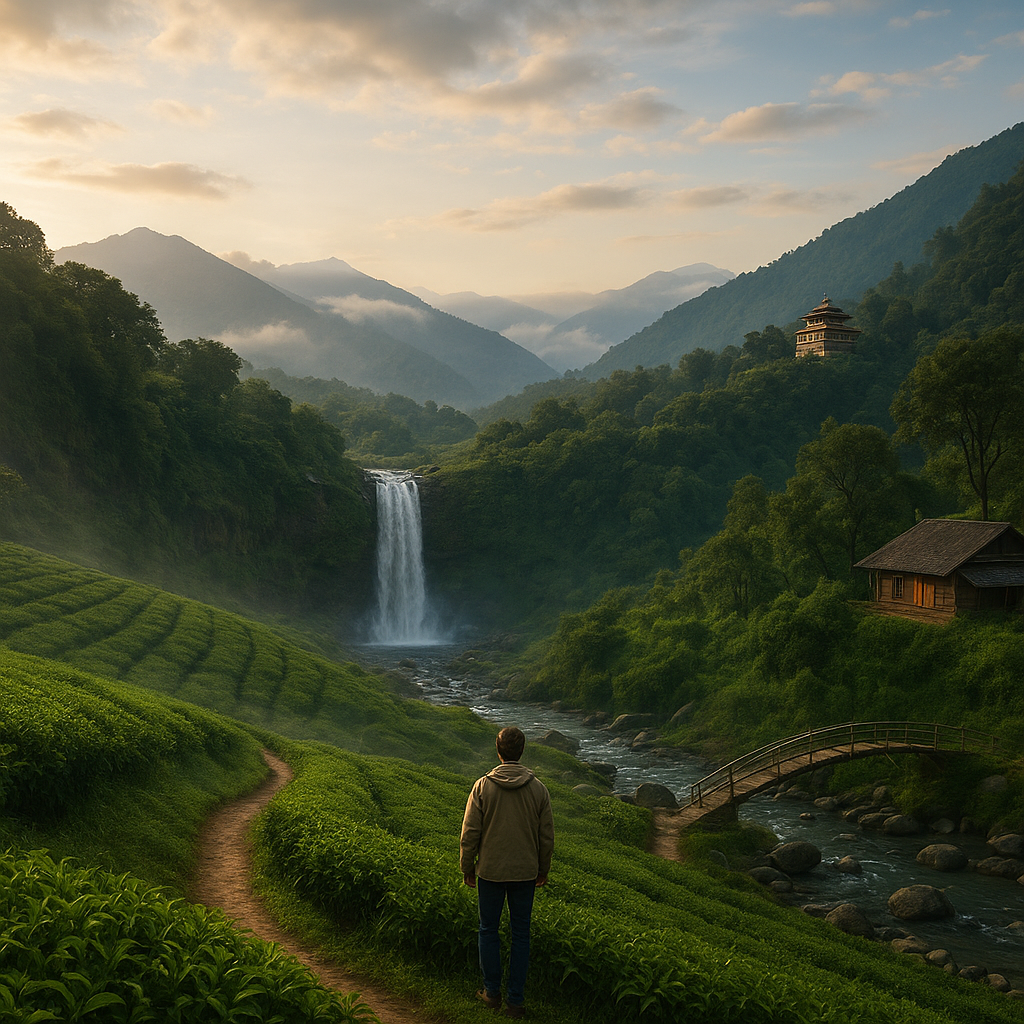
If you’ve ever stared at a map of India and wondered what lies in that lush, green corner tucked between mountains and clouds welcome to North East India. This region feels like a different world in the best way possible: misty hills, roaring rivers, bamboo bridges, quiet monasteries, colourful markets, and festivals that spill joy into the streets.
I still remember my first time planning a trip here. I kept thinking, “How can one region have so many landscapes?” One day you’re sipping tea in a calm hill town, and the next day you’re watching waterfalls crash through deep forests. If you’re looking for the best places to visit in North East India for both nature and culture, this guide will help you pick spots that match your travel style whether you want adventure, peace, food, or a bit of everything.
Let’s dive into the most loved destinations across Assam, Meghalaya, Sikkim, Arunachal Pradesh, Nagaland, and more without overcomplicating it.
Why North East India Feels So Special
North East India is like a “travel thali” (a plate with many dishes). Every state adds its own flavour like languages, traditions, clothes, music, even house styles. And the nature? Think of it as a giant living postcard: rolling hills, thick forests, orchids, snow peaks, and rivers that seem to never end.
Here’s what most travellers love:
- Fresh, green landscapes almost everywhere you go
- Unique cultures with tribal heritage, monasteries, and local festivals
- Warm people and homely food
- Offbeat experiences that don’t feel crowded like typical tourist hubs
Now, let’s talk about the real stars: the destinations.
1) Meghalaya: Where Clouds, Waterfalls, and Living Roots Steal the Show
If “nature overload” is what you want, Meghalaya is a dream. The name itself means “abode of clouds,” and honestly, it lives up to it.
Shillong (Scotland of the East)
Shillong is one of the most popular places to visit in North East India, especially for first-timers. It’s chill, green, and has a fun cafe culture too. You can take a slow walk around Ward’s Lake, visit viewpoints, and end the day with local food.
- Best for: easy sightseeing, music vibes, cafes, and cool weather
- Don’t miss: Shillong Peak, local markets, and nearby waterfalls
Cherrapunji (Sohra): Rain, Caves, and Waterfalls
Cherrapunji is famous for heavy rainfall, but it’s not just a “rain place.” It has dramatic cliffs, deep caves, and waterfalls that look like they’re straight out of a movie set.
- Best for: waterfalls, misty views, caves
- Try this: go early morning when the fog lifts slowly it feels magical
Mawlynnong & Living Root Bridges
Ever seen a bridge made from living tree roots? In Meghalaya, you can. These living root bridges aren’t built overnight, they’re trained and shaped over years. It’s like nature and humans working together, slowly and patiently, like a long-term friendship.
- Best for: unique nature experiences, village life
- Travel tip: wear proper walking shoes; the steps can be steep and slippery
2) Assam: Tea Gardens, River Islands, and Wild Adventures
Assam often becomes the entry point for North East India travel, and it’s packed with experiences especially if you love wildlife and rivers.
Kaziranga National Park (One-Horned Rhinos)
Kaziranga National Park is world-famous for the one-horned rhino. A safari here is one of those moments you remember for years. You’re bumping along tall grass, scanning the distance, and suddenly there it is. A massive rhino, calm and wild at the same time.
- Best for: wildlife safari, photography, nature lovers
- Look out for: rhinos, elephants, swamp deer, and lots of birds
Majuli (World’s Largest River Island)
Majuli is peaceful, cultural, and unlike anywhere else. It’s a river island on the Brahmaputra known for satras (Vaishnavite monasteries), traditional crafts, and slow village life. If your idea of a perfect day includes cycling past fields and watching sunsets by the river, this is it.
- Best for: culture, quiet travel, slow moments
- Good to know: ferry schedules matter so plan your entry and exit
Guwahati (City and Spiritual Stops)
Guwahati is a busy city, but it’s also where many travellers start and end their trip. It has temples, river cruises, and good food options.
- Don’t miss: Kamakhya Temple, Brahmaputra riverfront
3) Sikkim: Monasteries, Mountain Views, and Calm Roads
Sikkim is small, neat, and incredibly scenic. It’s one of the best places to visit in North East India if you like mountain air, monasteries, and clean hill towns.
Gangtok (Easy, Scenic, Friendly)
Gangtok is a great base for exploring Sikkim. The town is lively but not chaotic. You’ll find viewpoints, monasteries, and local shops all within easy reach.
- Best for: families, couples, first-time hill travelers
- Do this: take a relaxed walk on MG Marg in the evening
Tsomgo Lake & Nathula Pass (If Roads Are Open)
If you want dramatic landscapes, head to Tsomgo Lake. In colder months, it can even freeze. Nathula Pass (subject to permits and weather) adds an exciting “high-altitude” thrill.
- Travel tip: acclimatize well and carry warm layers, even in summer
Pelling (Kanchenjunga Views)
Pelling is loved for one big reason: views of Kanchenjunga (when the skies are clear). It’s also great for monastery visits and short day trips.
4) Arunachal Pradesh: Quiet Valleys, Monasteries, and True Offbeat Beauty
Arunachal Pradesh feels raw and untouched in many places. It’s perfect if you want fewer crowds and big, open landscapes.
Tawang (Monasteries and Mountain Drama)
Tawang is one of the most iconic places to visit in North East India. The monastery is stunning and the scenery is jaw-dropping. The roads can be long and tiring, but the payoff is huge. It’s like waiting through a slow intro of a movie and then the best scenes begin.
- Best for: monasteries, snow views, mountain culture
- Don’t miss: Tawang Monastery and nearby high passes (weather permitting)
Ziro Valley (Music, Rice Fields, and Peace)
Ziro Valley is calm and beautiful, with wide green stretches and a gentle pace. If you’ve heard of the Ziro Music Festival, you already know it’s popular among music lovers. Even without the festival, Ziro’s charm stays strong.
- Best for: slow travel, nature walks, local culture
5) Nagaland: Hills, Heritage, and Festivals That Feel Like a Warm Invitation
Nagaland is often described through its tribes and festivals and for good reason. But it’s also about landscapes, strong local identity, and really delicious food.
Kohima (History and Hill Town Feel)
Kohima is a key stop if you want to understand Nagaland’s culture and history. The War Cemetery is a quiet, moving place to visit. The town itself has viewpoints and local markets that feel personal, not touristy.
Hornbill Festival (If You Can Plan Your Dates)
Want to see North East India’s culture in one colourful burst? The Hornbill Festival (usually in December) is one of the biggest highlights. Dance, music, crafts, food everything comes together. It’s busy, yes, but it’s also unforgettable.
- Best for: culture lovers, photographers, festival energy
- Tip: book stays early; Kohima gets full quickly
6) Tripura: A Quiet Cultural Surprise
Tripura doesn’t always make it to the top of people’s lists, which is exactly why it can feel like a hidden gem.
Ujjayanta Palace & Neermahal
In Agartala, Ujjayanta Palace is a key attraction. And then there’s Neermahal a palace in the middle of a lake. It’s one of those places that makes you pause and go, “Why don’t more people talk about this?”
- Best for: culture, architecture, calm sightseeing
7) Mizoram: Clean Hills, Bamboo Culture, and Open Skies
Mizoram is peaceful and known for its neat towns and strong local culture. It’s a lovely choice if you want a laid-back hill experience.
Aizawl (Slow City with Great Views)
Aizawl has sweeping hill views and a pleasant pace. Spend time at local markets, try simple local meals, and just enjoy the “quiet confidence” of the place.
- Best for: slow travel, local culture, scenic drives
8) Manipur: Lakes, Local Life, and a Different Kind of Beauty
Manipur has a gentle charm especially around its famous lake.
Loktak Lake (Floating Islands)
Loktak Lake is known for phumdis, floating patches of vegetation that look like small islands. Seeing them in real life feels a bit like watching a nature documentary except you’re inside it.
- Best for: nature, photography, unique landscapes
Best Time to Visit North East India (Quick and Simple)
Timing matters here because rain, fog, and snow can change plans fast.
- October to April: generally the best season for most states (pleasant weather, clearer views)
- June to September: monsoon season (Meghalaya is dramatic, but landslides and delays can happen)
- December to February: colder and sometimes snowy in higher areas (great for winter lovers)
If you’re unsure, ask yourself: Do I want green rain-washed landscapes or clear mountain views? That one question makes planning easier.
Simple Travel Tips (That Actually Help)
North East India is friendly, but it rewards travelers who plan just a little.
- Keep buffer days: roads and weather can slow travel
- Carry layers: temperatures change quickly in the hills
- Respect local customs: dress modestly in villages and religious places
- Permits: some areas (like parts of Arunachal and Nathula) need permits, check before you go
- Cash helps: ATMs may not always be nearby in remote spots
What Should You Choose? (Nature, Culture, or Both)
If you’re feeling overwhelmed (totally normal), here’s an easy way to decide:
If you want nature and waterfalls
- Meghalaya: Shillong, Cherrapunji, Dawki
If you want wildlife and river life
- Assam: Kaziranga, Majuli
If you want mountains and monasteries
- Sikkim: Gangtok, Pelling, Tsomgo Lake
- Arunachal: Tawang
If you want festivals and strong local culture
- Nagaland: Kohima, Hornbill Festival
Final Thoughts: North East India Is Not a “One Trip” Kind of Place
North East India isn’t something you “finish” in one holiday. It’s more like a book with many chapters. You might start with Meghalaya and Assam, then come back for Sikkim, and later return for Arunachal or Nagaland when you’re ready for slower, deeper travel.
And maybe that’s the best part. This region doesn’t rush you. It invites you to take your time and watch the clouds move, sip tea in a quiet garden, talk to a local shopkeeper, and let the road surprise you.
Top Tourist Places in North India for Your Next Trip in 2026
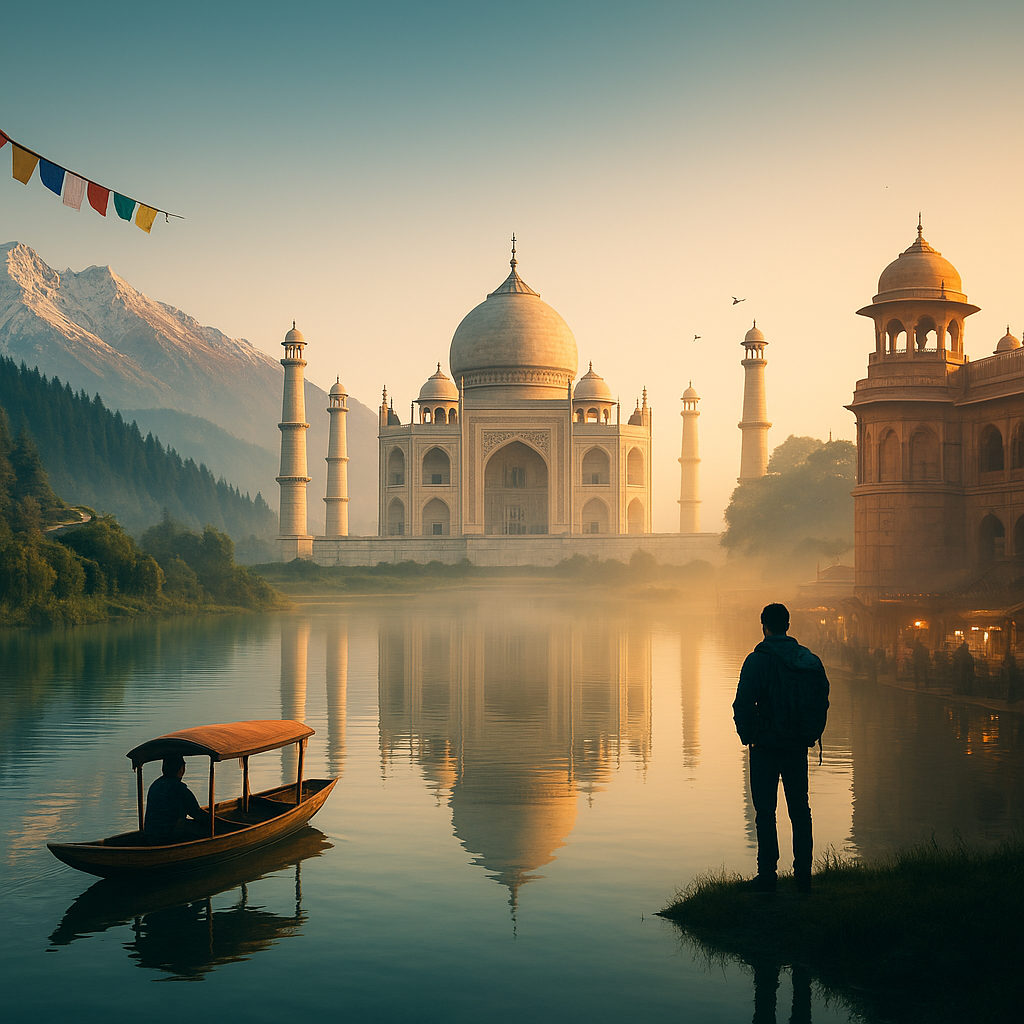
If you’ve been daydreaming about snow-covered mountains, old forts, colourful markets, and food that makes you stop talking mid-bite, North India is calling.
I still remember my first proper trip up north. I thought it would be “just mountains.” But within a week, I went from sipping tea in chilly hill air to standing inside a grand fort, and then ending the day with a plate of hot parathas that felt like a hug. That’s the thing about North India it’s not one kind of trip. It’s many trips in one.
In this blog, I’m sharing some of the best tourist places in North India, the kind that work whether you’re traveling with friends, family, your partner, or even solo. I’ll also add easy tips and what each place is best for, so you can plan without stress.
Why North India Is Perfect for Your Next Trip
Let’s keep it real: picking a destination is hard. You want good views, fun things to do, safety, decent hotels, and places that don’t feel boring after day two.
Tourist places in North India usually tick all those boxes. Here’s why:
- Variety: Mountains, deserts, rivers, jungles, and historical cities are often in the same state.
- Great for every season: Snow in winter, cool hill escapes in summer, and cultural trips during spring/autumn.
- Food you’ll remember: From street chaat to warm pahadi meals, every region has its own comfort food.
- Easy to mix experiences: You can do adventure, sightseeing and shopping in one itinerary.
So, where should you go first? Let’s break it down.
1) Manali, Himachal Pradesh: Mountains, Snow, and Easy Adventure
When people search for top tourist places in North India, Manali almost always shows up and for good reason. It’s scenic, lively, and full of things to do.
What to do in Manali
- Visit Solang Valley for adventure activities like paragliding (seasonal).
- Drive toward Atal Tunnel for those dramatic mountain-road views.
- Walk around Old Manali if you want a relaxed vibe, cafes, and local shopping.
Best for: Friends’ trips, first-time mountain travellers, and anyone who wants a mix of fun and views.
Small tip: If you hate crowds, avoid long weekends. Manali gets busy fast.
2) Shimla, Himachal Pradesh: Classic Hill Station Feel
Shimla feels like that old postcard your parents kept in a drawer charming, historic, and slightly dreamy. It’s one of the most loved North India tourist destinations, especially for families.
Don’t miss in Shimla
- Stroll on The Mall Road in the evening (hot momos are a must).
- Visit Kufri if you want snow in winter or pony rides and views in other months.
- Explore colonial-era buildings and calm viewpoints around town.
Best for: Families, couples, and travelers who prefer easy sightseeing.
3) Leh-Ladakh: Raw Landscapes That Don’t Feel Real
Ladakh is not your regular holiday. It’s dramatic, quiet, and powerful. The mountains look carved out of stone, the skies feel bigger, and even a simple road trip can feel like a movie scene.
If you love travel that changes your mood in a good way and put Ladakh on your list of top places to visit in North India.
Top experiences in Ladakh
- See the iconic blue waters of Pangong Lake (yes, it’s as stunning as the photos).
- Visit Nubra Valley for sand dunes and unique landscapes.
- Explore monasteries like Hemis and Thiksey for peace and views.
Best for: Road trip lovers, adventure seekers, and photographers.
Friendly reminder: Ladakh needs planning and altitude is real. Take rest days seriously.
4) Jaipur, Rajasthan: Forts, Markets, and Royal Vibes
Jaipur is one of those cities where you can’t stop looking around. The buildings, the colours, the tiny details on doors and windows everything feels curated, even when it’s just everyday life.
It’s also one of the most popular tourist places in North India if you’re into history and culture.
Top places to visit in Jaipur
- Amber Fort for views, architecture, and that “royal palace” feeling.
- Hawa Mahal for the famous honeycomb style facade.
- City Palace for museums and a peek into Jaipur’s royal past.
Best for: Culture lovers, first-time Rajasthan travelers, and shopping fans.
Quick shopping note: If you enjoy bargaining, Jaipur’s bazaars are basically your playground.
5) Udaipur, Rajasthan: Lakes, Sunsets, and Slow Travel
If Jaipur is energetic, Udaipur is calm. This city is made for slow mornings and sunset walks. Many people call it the “City of Lakes,” and honestly, it earns the title.
What to do in Udaipur
- Visit City Palace (Udaipur’s version is huge and gorgeous).
- Take a boat ride on Lake Pichola around sunset.
- Spend an evening near Bagore Ki Haveli for cultural performances (if you enjoy that vibe).
Best for: Couples, peaceful trips, and anyone who wants pretty views with less rush.
Have you ever been to a place where even doing “nothing” feels like a plan? Udaipur is like that.
6) Jaisalmer, Rajasthan: The Desert Experience
Jaisalmer feels like a golden storybook city that rose out of the sand. It’s one of the most unique places to visit in North India, especially if you’ve never seen the Thar Desert up close.
Top things to do in Jaisalmer
- Explore Jaisalmer Fort, which is not just a monument it’s a living fort with shops and homes.
- Go for a desert safari and watch the sunset over sand dunes.
- Stay in a desert camp for music, food, and stargazing.
Best for: Unique experiences, desert vibes, and group trips.
Simple analogy: If mountains are a warm cup of tea, the desert is a slow-burning bonfire quiet, dramatic, and unforgettable.
7) Rishikesh, Uttarakhand: Ganga Views and a Calm Mind
Rishikesh has two sides. One is spiritual and peaceful. The other is full of adventure like rafting, cliff jumping, and trekking. That mix makes it one of the most loved North India tourist places.
What to do in Rishikesh
- Attend the Ganga Aarti in the evening (even if you’re not religious, it’s moving).
- Try river rafting if you want a proper adrenaline rush.
- Walk across Lakshman Jhula area and explore cafes and local corners.
Best for: Solo travelers, spiritual retreats, and adventure lovers.
Personal note: I once planned “just one day” in Rishikesh and stayed three. That’s how it gets you.
8) Haridwar, Uttarakhand: Faith, Rituals, and Old-World India
Haridwar is one of the oldest and most important spiritual destinations in India. Many travelers visit Haridwar along with Rishikesh since they’re close.
What to experience in Haridwar
- Visit Har Ki Pauri, especially during evening aarti.
- Try local street food and simple vegetarian meals.
- Walk around the ghats and observe daily life by the river.
Best for: Cultural travel, family trips, and anyone who wants to see the spiritual side of North India.
9) Nainital, Uttarakhand: Lake View Holidays Made Easy
Nainital is perfect when you want a relaxing hill vacation without intense travel. The lake is the center of the town, and most things are close by.
Top things to do in Nainital
- Go boating on Naini Lake (simple and fun).
- Take the ropeway to Snow View Point for panoramic views.
- Shop for candles and local snacks in the markets.
Best for: Families, couples, and quick weekend-style breaks.
10) Jim Corbett National Park, Uttarakhand: Wildlife and Jungle Time
Need a break from cities and screens? Corbett is a great pick. It’s one of the most famous wildlife experiences among tourist places in North India.
What to do at Jim Corbett
- Go on a jungle safari (morning safaris feel extra magical).
- Stay in a nature resort and enjoy quiet evenings.
- Bring binoculars if you’re into birdwatching.
Best for: Nature lovers, families, and wildlife photography beginners.
Quick expectation check: Tigers are shy. Don’t book a safari only for a tiger sighting, go for the whole jungle experience.
11) Agra, Uttar Pradesh: The Taj Mahal and More
Agra is often treated as a one-stop destination, but it can be a solid short trip with history, gardens, and street food. And yes seeing the Taj Mahal in person really does hit differently.
What to do in Agra
- Visit the Taj Mahal early morning for softer light and fewer crowds.
- Explore Agra Fort for architecture and Mughal history.
- Try local sweets like petha.
Best for: First time India travellers, history lovers, and quick weekend trips.
12) Amritsar, Punjab: Golden Temple, Food, and Heart
Amritsar isn’t just a destination it’s an emotion for many people. The city has warmth, strong culture, and some of the best food in North India.
Top experiences in Amritsar
- Visit the Golden Temple calm, beautiful, and welcoming.
- Eat at local dhabas and try classics like kulcha and lassi.
- Visit the Wagah Border ceremony for an energetic evening.
Best for: Culture, food tourism, and meaningful travel.
How to Choose the Best Place in North India for Your Travel Style
If you’re still unsure, here’s a quick way to decide. Think of it like choosing a movie genre you’ll enjoy the trip more if it matches your mood.
If you want snow and mountain air
- Manali
- Shimla
- Leh-Ladakh (for high-altitude epic views)
If you want forts, culture, and shopping
- Jaipur
- Udaipur
- Jaisalmer
If you want peace, spirituality, and river views
- Rishikesh
- Haridwar
If you want nature and wildlife
- Jim Corbett National Park
- Nainital (for an easy hill-lake mix)
Simple Tips to Plan a North India Trip (Without Overthinking)
- Plan around the season: Hill stations are great in summer; deserts are best in winter; Ladakh is mostly a summer trip.
- Keep buffer days: In mountains, delays happen. A flexible plan saves your mood.
- Start early: Popular places like Agra and Jaipur are more enjoyable in the morning.
- Pack layers: Even in warmer months, nights can get cool in many North Indian destinations.
- Don’t try to cover everything: It’s better to truly enjoy 2-3 places than rush through 7.
Best Budget-Friendly Places to Visit in India in January 2026
January in India feels like the country takes a deep breath. The air is cooler, the skies are clearer, and travel suddenly becomes a lot more comfortable. If you’ve been waiting for the “right time” to plan a trip, this is it.
But here’s the real question: Can you travel in January without spending a fortune? Absolutely. In fact, some of the best budget-friendly places to visit in India in January are at their prettiest right now, think crisp mornings, sunny afternoons, and food that tastes even better in winter.
In this blog, I’ll walk you through affordable January travel destinations in India, places where your money stretches further, your photos look better, and you come back feeling like you actually took a break.
Why January Is a Great Month for Budget Travel in India
Let’s keep it simple. January works well because:
- The weather is pleasant in many parts of India (especially plains, deserts, and coastal regions).
- Walking tours, local sightseeing, and outdoor activities feel easy, not exhausting.
- Budget stays and homestays are widely available if you book smart and avoid peak festival dates.
I’ve learned one small trick over time: if you’re flexible with dates (even by 2-3 days), you can often grab cheaper trains, buses, and rooms. It’s like shopping during a sale but same product, better price.
1) Jaipur, Rajasthan: Royal Vibes on a Realistic Budget
Jaipur is one of those cities that makes you feel like you’ve stepped into a postcard. Forts, palaces, colourful markets everything pops in January’s soft winter light.
What to do in Jaipur on a budget
- Visit Hawa Mahal from the outside early morning for the best photos.
- Explore Amer Fort and take your time it’s huge and worth it.
- Walk around Johari Bazaar and Bapu Bazaar (even window-shopping is fun).
- Try local food like pyaz kachori and dal baati churma.
Why January? The cold makes fort-hopping comfortable, and you won’t feel drained after a day outdoors.
Budget tip: Use shared autos or app cabs for short distances. If you’re traveling with friends, split costs and it becomes very cheap.
2) Udaipur, Rajasthan: The “Lake City” That Doesn’t Have to Be Expensive
Udaipur has a romantic reputation, but it can be surprisingly affordable if you travel like a local. January adds a calm, cozy charm, perfect for lakeside walks and sunset views.
Best budget experiences in Udaipur
- Take a stroll near Lake Pichola and watch the city light up at dusk.
- Visit City Palace (pick key sections if you want to control spending).
- Explore Bagore Ki Haveli for culture without a big price tag.
- Enjoy rooftop cafes and order a chai and sit longer (no one rushes you).
Ever noticed how some places feel expensive because of the “vibe,” not the actual cost? Udaipur can feel fancy, but your daily spend can stay modest if you keep things simple.
3) Jaisalmer, Rajasthan: Desert Adventures in Winter Weather
If you’ve never seen the Thar Desert, January is a sweet spot. The days are sunny, the nights are cold, and the whole golden city looks like it’s made of honey.
Things to do in Jaisalmer
- Explore Jaisalmer Fort and its narrow lanes.
- Visit Patwon Ki Haveli for detailed architecture.
- Plan a budget desert safari (group safaris cost less than private ones).
- Catch a sunset at Sam Sand Dunes.
Budget tip: Compare safari packages locally and read reviews. Don’t just pick the first stall you see. A little research can save you a lot.
4) Rann of Kutch, Gujarat: A White Desert That Feels Unreal
Imagine walking on a wide white salt desert under a blue sky. That’s the Rann of Kutch in January. It’s also the season for cultural events and local crafts.
What makes Kutch budget-friendly
- Local transport and food are generally affordable.
- You can shop handcrafted items directly from artisans.
- The landscapes are free and nature doesn’t charge an entry fee.
Must-do: If you can, visit around the time of the Rann Utsav. Just keep in mind that prices may rise then, so book early if you want cheaper stays.
5) Varanasi, Uttar Pradesh: Spiritual, Simple, and Surprisingly Affordable
Varanasi is not just a destination; it’s a mood. January mornings can be foggy and magical, especially by the ghats. If you like places with stories, sounds, and soul, this one stays with you.
Budget-friendly things to do in Varanasi
- Attend the evening Ganga Aarti (free, unforgettable).
- Take a shared boat ride at sunrise.
- Try local eats like kachori sabzi and banarasi chai.
- Walk through old lanes with a local guide (or follow a self-walk route).
I once spent an entire morning just sitting near the river with a cup of tea with no big itinerary, no rush. And honestly? That ended up being my favourite “activity.”
6) Amritsar, Punjab: Big Heart, Big Flavor, Small Budget
Amritsar is one of the best places to visit in India in January if you want history, culture, and comfort food without paying metro city prices.
What to do in Amritsar
- Visit the Golden Temple early morning for a peaceful experience.
- Eat at the langar (free community meal) with respect and gratitude.
- Explore Jallianwala Bagh and nearby heritage spots.
- Watch the ceremony at Wagah Border (come early for seating).
Budget tip: Stay near the Golden Temple area for walkable sightseeing and cheaper local food options.
7) Pondicherry: A Beach Escape That Feels Like a Mini Vacation Abroad
Pondicherry (or Puducherry) has a calm, coastal vibe, with clean streets and a mix of Indian and French influence. January weather is usually pleasant and cool evenings, sunny days, and beach walks that don’t feel sticky.
Simple, budget things to do in Pondicherry
- Walk or cycle around White Town in the morning.
- Relax at Promenade Beach.
- Try local cafes, but balance it with street food to keep costs down.
- Do a day trip to Auroville (even if you just visit the viewpoints and cafes).
Think of Pondicherry like a “slow travel” place. You don’t need to constantly spend money on attractions. The vibe itself is the point.
8) Gokarna, Karnataka: The Laid-Back Alternative to Goa
Want beaches without the party crowd? Gokarna is often called the quieter cousin of Goa. It’s one of those cheap places to travel in India in January where your days can be as active or as lazy as you want.
What to do in Gokarna
- Beach-hop between Kudle Beach, Om Beach, and Half Moon Beach.
- Try a simple trek route along the coast (carry water and snacks).
- Visit the Mahabaleshwar Temple if you enjoy local culture.
Budget tip: Choose basic beach stays and eat at small local shacks fresh, filling, and often cheaper than cafes.
9) Munnar, Kerala: Tea Gardens and Cool Air on a Budget
If you’re craving hills in January but don’t want extreme cold, Munnar is a strong pick. The winding roads, tea plantations, and misty views make it feel like a calm retreat.
Budget activities in Munnar
- Visit tea estates and take long walks through the greenery.
- Stop at viewpoints like Top Station (go early to avoid crowds).
- Explore local markets for spices and tea.
Why January? It’s a great time for clear views and pleasant trekking weather.
10) Hampi, Karnataka: A History Lover’s Dream That’s Easy on the Wallet
Hampi is like an open-air museum except you can walk, climb, and explore at your own pace. January is perfect because you can spend hours outdoors without melting under the sun.
Best budget experiences in Hampi
- Rent a bicycle or scooty and explore ruins across the landscape.
- Visit iconic spots like Virupaksha Temple and Vittala Temple.
- Catch sunrise from Matanga Hill (the view is worth the early alarm).
Here’s an analogy: exploring Hampi feels like flipping through a giant history book but instead of pages, you’re walking through stone streets and ancient pillars.
Simple Ways to Keep Your January Trip Budget-Friendly
No matter where you go, these habits help you save money without feeling like you’re “missing out.”
Smart budget travel tips
- Travel by train or bus when possible often cheaper and more scenic.
- Book stays with breakfast or choose homestays with kitchen access.
- Start your day early: you’ll cover more with less transport cost.
- Keep one “splurge” per trip (like a safari or a nice meal), and go simple on other days.
- Use local food as your default—tasty, authentic, and usually affordable.
Quick question: Do you prefer a packed itinerary or slow travel? If you’re traveling on a budget, slow travel often saves money naturally fewer rides, fewer tickets, fewer impulse spends.
Suggested Budget Itineraries (Quick Ideas)
3 days: Jaipur
- Day 1: City Palace area and markets
- Day 2: Amer Fort and Jaigarh
- Day 3: Local cafes and Albert Hall Museum
4 days: Udaipur and nearby spots
- Day 1: Lake Pichola walk and old city
- Day 2: City Palace and Bagore Ki Haveli
- Day 3: Sajjangarh (Monsoon Palace) sunset
- Day 4: Shopping and relaxed cafe time
5 days: Hampi
- Day 1: Temples and local market
- Day 2: Ruins by cycle/scooty
- Day 3: Sunrise hike and museum
- Day 4: Riverside exploring
- Day 5: Slow morning and depart
Final Thoughts: Where Should You Go This January?
If you want forts, colors, and winter vibes, pick Rajasthan (Jaipur, Udaipur, Jaisalmer). If you want culture with deep local flavor, try Varanasi or Amritsar. If the sea is calling you, head to Pondicherry or Gokarna. And if you need green hills and calm weather, Munnar is a safe bet.
January doesn’t have to mean expensive flights and fancy hotels. With the right destination and a few smart choices, you can enjoy a memorable trip without stressing over your wallet.
Best Places to Visit in South India in January 2026

January is one of those months when South India feels like it’s showing off in a good way. The air is cooler, the skies are clearer, and long road trips don’t feel like a sweaty challenge. If you’ve been searching for the best places to visit in South India in January 2026, you’re in the right spot.
I’ve put together this friendly guide to help you choose where to go, what to do, and what kind of trip each place is best for. Want beaches without sticky heat? Hill stations with crisp mornings? Wildlife safaris with better animal sightings? January is a sweet month for all of that.
So, where should you head first?
Why January Is a Great Time to Visit South India
Before we jump into destinations, let’s talk about why January works so well. Think of South India like a movie that looks best in “golden hour” lighting, January is that lighting. You’ll usually get:
- Comfortable weather for sightseeing, temple visits, and outdoor activities
- Less humidity along the coasts compared to peak summer
- Great conditions for trekking in hill stations and forests
- Festival vibes (especially around Pongal/Makar Sankranti)
If you’re planning a family holiday, a honeymoon, or even a solo break to reset your brain, January is hard to beat.
1) Munnar, Kerala – Tea Gardens and Misty Mornings
Munnar in January feels fresh and clean, like the world just took a shower. The big draw is the rolling tea plantations, but what I love most is the pace. People walk slower here. Even time seems to chill out.
What to do in Munnar
- Visit tea estates and learn how tea goes from leaf to cup
- Stop at viewpoints like Top Station for wide hill views
- Take a relaxed walk around Mattupetty Dam
- Try local Kerala meals-simple, spicy, and satisfying
Tip: Pack a light jacket. Early mornings can feel properly cold, especially if you’re out before sunrise.
2) Alleppey (Alappuzha), Kerala Houseboats and Backwaters
If your idea of a holiday is doing almost nothing (in the best way), Alleppey is perfect. In January, the Kerala backwaters are calm and pleasant, and the weather makes a houseboat stay extra enjoyable.
Best experiences in Alleppey
- Houseboat cruise through palm-lined canals
- Sunset views over Vembanad Lake
- Local village life tours – quiet, real, and memorable
Ever noticed how water slows your thoughts down? A backwater cruise does exactly that. It’s like your mind finally stops running in ten tabs at once.
3) Coorg (Kodagu), Karnataka – Coffee, Forest Air, and Cozy Stays
Coorg in January is a crowd-pleaser. It’s green, scenic, and smells faintly like coffee and wet earth. If you’re picking a South India hill station in January, Coorg is one of the easiest choices.
Things to do in Coorg
- Stay in a coffee plantation homestay
- Visit Abbey Falls and nearby viewpoints
- Explore Madikeri Fort if you like easy history
- Try Coorgi pork curry (or veg pandi-style gravies)
Quick note: Coorg works great for couples and families. It’s not too “extreme,” but it still feels like a real getaway.
4) Ooty, Tamil Nadu – Classic Hill Station Charm
Ooty is old-school in the nicest way. Toy trains, eucalyptus trees, and that “holiday postcard” feel. January makes it even better because the weather is cool and comfortable for long strolls.
What not to miss in Ooty
- Ride the Nilgiri Mountain Railway (toy train)
- Visit Ooty Lake for boat rides and snacks
- Explore the Botanical Gardens
- Do a short trip to Doddabetta Peak for views
Traveling with parents or kids? Ooty is one of those places where everyone finds something they like without needing a packed schedule.
5) Kodaikanal, Tamil Nadu – Quiet, Romantic, and Scenic
If Ooty is the lively cousin, Kodaikanal is the calm one who reads books by the window. In January, it’s cool, foggy in places, and ideal for slow travel. It’s also a lovely pick for a honeymoon in South India in January.
Best things to do in Kodaikanal
- Walk around Kodaikanal Lake (early morning is best)
- Visit Coaker’s Walk for misty valley views
- Stop by Pillar Rocks for quick photos
Ask yourself: do you want a trip where you’re constantly “doing,” or one where you’re just “being”? Kodaikanal is for the second kind and that’s not a bad thing at all.
6) Wayanad, Kerala – Waterfalls, Caves, and Nature Trails
Wayanad is a great January destination if you love nature with a little adventure. It has forests, viewpoints, caves, and waterfalls-all easier to explore when the weather is kind.
Top experiences in Wayanad
- Trek to Chembra Peak (if open and conditions allow)
- Visit Edakkal Caves for history carved in stone
- Explore waterfalls like Soochipara (seasonal flow varies)
Small travel hack: Start your day early. In Wayanad, mornings feel magical-cool air, quiet roads, and that soft mountain light.
7) Madurai, Tamil Nadu – Temples and Culture That Stays With You
Madurai is not just a stop-it’s an experience. The city revolves around the famous Meenakshi Amman Temple, and January is a comfortable time to explore without the heavy heat.
What to do in Madurai
- Visit Meenakshi Temple (go slow, look closely at the carvings)
- Try local street food like jigarthanda
- Explore bazaars for textiles and souvenirs
I still remember my first temple visit in Madurai-there was sound everywhere: bells, prayers, footsteps. It felt like stepping into a living museum, except it’s not “frozen in time.” It’s alive.
8) Hampi, Karnataka – Ruins, Sunsets, and a Different Kind of Wonder
Hampi is one of the most unique places in India. In January, the weather is ideal for walking and cycling around the ruins. If you like history but don’t want it to feel boring, Hampi is your place.
Best things to do in Hampi
- Explore Virupaksha Temple and the surrounding complex
- Visit Vittala Temple and its iconic stone chariot
- Watch sunset from Hemakuta Hill or Matanga Hill
Hampi is like a giant outdoor storybook. You don’t just see it-you wander through it.
9) Pondicherry (Puducherry) – Beaches, Cafes, and Slow Travel
Pondicherry in January is a vibe. The weather is pleasant, the sea breeze is soft, and the whole town feels made for walking. If you’re searching for beach destinations in South India in January, this one deserves a top spot.
What to do in Pondicherry
- Walk around White Town for French-style streets and photos
- Spend time at Promenade Beach (mornings are peaceful)
- Try cafe-hopping, Pondy does breakfast really well
- Consider a visit to Auroville for a quieter day trip
Good to know: Pondicherry is perfect if you want a short, easy holiday without running around too much.
10) Varkala, Kerala – Cliffside Views and Relaxed Beach Days
Varkala feels like a beach town that never tried too hard and that’s exactly why people love it. January brings comfortable days and breezy evenings. Great for couples, solo travellers, and anyone who wants a calmer alternative to busier beach hubs.
Best things to do in Varkala
- Walk along the cliff for ocean views and small shops
- Relax at Varkala Beach
- Catch sunsets that make you stop scrolling for once
Sometimes you don’t need a long checklist. You just need a beach, a good meal, and enough time to breathe.
11) Gokarna, Karnataka – Simple Beaches and Sunset Calm
Gokarna is the kind of place where you can still find quiet corners. January is a great time to visit because the weather is friendly and the sea is inviting.
Things to do in Gokarna
- Beach-hop between Kudle, Om, and Half Moon Beach
- Try an easy coastal trek between beaches
- Visit temples if you enjoy cultural stops
If Goa feels too loud for your mood, Gokarna can feel like the “softer soundtrack” version of a beach holiday.
12) Bandipur & Nagarhole, Karnataka – Wildlife Safaris in Pleasant Weather
January is a strong month for wildlife safari in South India. The weather is cooler, and safaris are more comfortable. Bandipur and Nagarhole are popular choices with forests that feel straight out of a nature documentary.
What you can do here
- Jeep safari or bus safari (depending on the zone and rules)
- Birdwatching in the early morning
- Stay in a nature lodge for a complete forest experience
Reminder: Wildlife sightings can’t be guaranteed, but the forest itself is worth the visit. Sometimes the best part is the silence.
Best January Festivals in South India (Worth Planning Around)
If you can align your trip with local festivals, you’ll get a deeper feel of the region. January often includes celebrations like:
- Pongal (Tamil Nadu) – harvest festival with traditional food and local events
- Makar Sankranti (across South India) – kite flying, sweet dishes, community celebrations
Even if you’re not big on crowds, seeing a festival day- just for an hour- can add colour to your trip. It’s like tasting the local culture instead of only looking at it.
Quick Itinerary Ideas for January 2026
5 Days in Kerala (Relaxed)
- 2 nights Munnar
- 1 night Alleppey (houseboat)
- 2 nights Kochi (cafes, heritage streets, shopping)
6 Days in Tamil Nadu (Hill and Culture)
- 3 nights Ooty or Kodaikanal
- 2 nights Madurai
- 1 night near Rameswaram (optional, if you want coastal temples)
7 Days in Karnataka (History and Nature)
- 2 nights Hampi
- 2 nights Coorg
- 2-3 nights Bandipur/Nagarhole area
What to Pack for South India in January
January packing is simple. You don’t need a giant suitcase, but you do need smart layers.
- Light jacket or hoodie for hill stations and early mornings
- Comfortable shoes (you’ll walk more than you expect)
- Sunscreen – yes, even in winter
- Modest clothing for temple visits (especially shoulders/knees)
- Small daypack for water, snacks, and essentials
Helpful Booking Tips for January 2026
January is popular, especially around long weekends and festival dates. If you want good stays and smoother travel
- Book hotels and houseboats early for better prices
- Choose weekday travel when possible (less crowd, easier driving)
- For hill stations, pick stays with good heating or hot water reviews
- For safaris, reserve slots in advance where online booking is available
Final Thoughts: Which South India Destination Should You Pick?
Choosing the best places to visit in South India in January 2026 really depends on your travel style.
- If you want tea hills and cool air: Munnar, Coorg, Ooty, Kodaikanal
- If you want water and calm: Alleppey, Varkala
- If you want culture and history: Madurai, Hampi
- If you want beaches and cafes: Pondicherry, Gokarna
- If you want forests and safaris: Bandipur, Nagarhole, Wayanad.
Top Things to Do in India for Unforgettable Travel Experiences in 2026
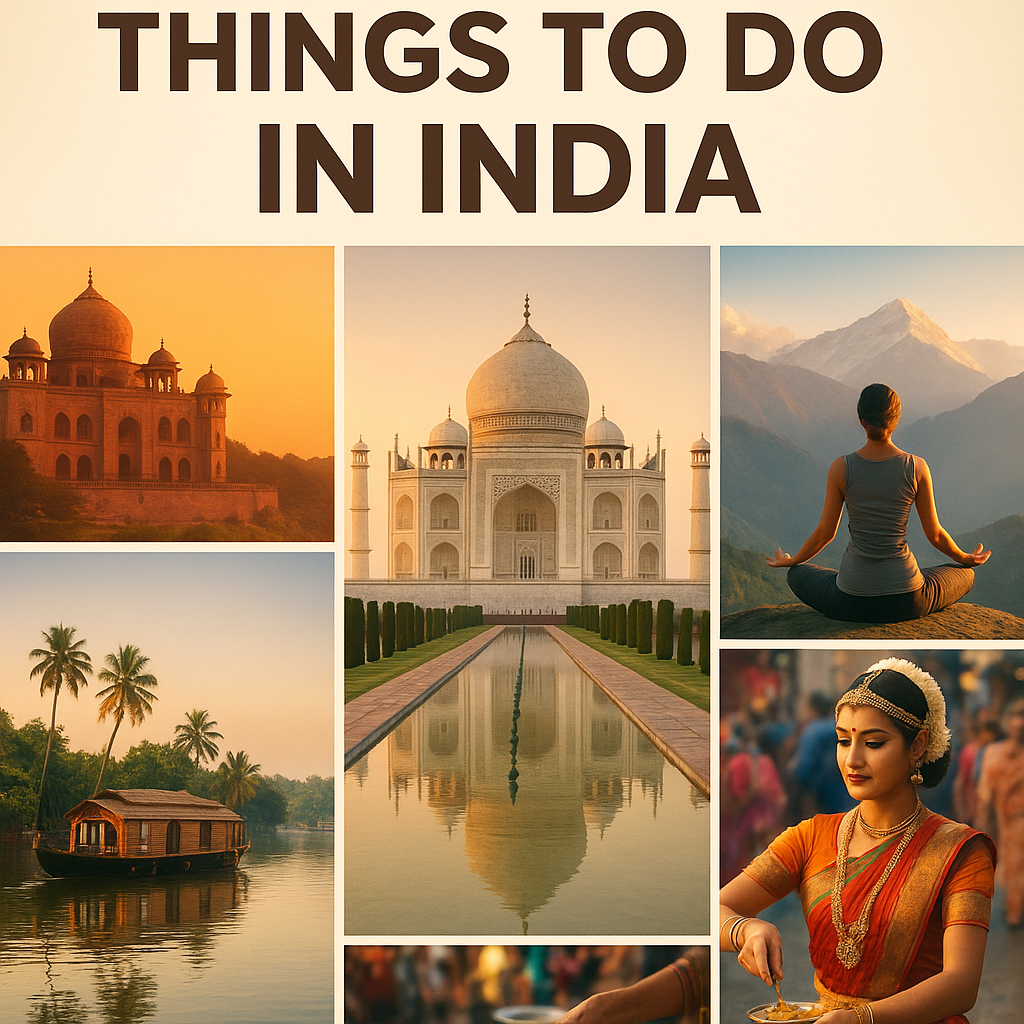
India is the kind of place that stays with you long after your suitcase is unpacked. One day you’re watching the sun rise over a marble monument, and the next you’re sipping chai in a crowded market, trying to understand how a street can smell like incense, spices, rain, and history all at once.
If you’re planning a trip and wondering about the best things to do in India, you’re in the right place. This guide pulls together the most unforgettable experiences, mixing famous highlights with a few moments that feel wonderfully local. Think of it like a travel playlist, a little bit of everything, arranged so you can build your perfect itinerary.
So, what kind of traveller are you? A culture lover, a foodie, a beach person, a mountain chaser or all of the above?
1) See the Taj Mahal (and go early)
Let’s start with the classic. No list of things to do in India feels complete without visiting the Taj Mahal in Agra. Yes, it’s popular. Yes, it’s crowded. And yes it’s still worth it.
Travel tip: Go at sunrise if you can. The light is softer, the heat is kinder, and the marble glows in a way that photos don’t fully capture. I still remember standing there half-awake, holding a small cup of tea, thinking: “So this is what a love story looks like in stone.”
- Best time: Sunrise (or late afternoon in cooler months)
- Don’t miss: The reflection pool view and the detailed marble inlay work
- Nearby: Agra Fort for a deeper Mughal era experience
2) Explore Rajasthan’s forts, palaces, and desert towns
If India had a “storybook” section, Rajasthan would be on the front cover. This is where you’ll find dramatic forts on hilltops, royal palaces, and cities painted in bold colors.
Where to go in Rajasthan
- Jaipur (The Pink City): City Palace, Hawa Mahal, and bustling bazaars
- Udaipur: Lakes, romantic sunsets, and palace views
- Jodhpur (The Blue City): Mehrangarh Fort and old town walks
- Jaisalmer: Desert vibes, golden architecture, and camel safaris
A desert camp night in Jaisalmer can feel like stepping into another world. Imagine the sand stretching out like an ocean, and the sky looking like someone spilled glitter across it. If you’ve never seen stars this clearly, you’re in for a surprise.
3) Take a backwaters cruise in Kerala
When people talk about peaceful travel in India, Kerala backwaters usually come up and for a good reason. The slow rhythm of water travel is a perfect break from busy city sightseeing.
You can stay on a traditional houseboat (often called a “kettuvallam”) and drift past coconut trees, small villages, and green fields that seem to go on forever.
- Best base: Alleppey (Alappuzha) or Kumarakom
- What you’ll love: Quiet mornings, fresh seafood, and sunset views
- Ideal for: Couples, families, and anyone who needs a reset
4) Go on a wildlife safari (yes, India has tigers)
India isn’t only temples and monuments but it’s also one of the most exciting places in the world for wildlife. If seeing a tiger is on your dream list, you can try your luck in one of the country’s national parks.
Popular national parks for safaris
- Ranthambore National Park (Rajasthan): Famous and fairly accessible
- Bandhavgarh National Park (Madhya Pradesh): Known for tiger sightings
- Kanha National Park (Madhya Pradesh): Beautiful forests and diverse wildlife
- Jim Corbett National Park (Uttarakhand): India’s oldest national park
A safari feels a bit like playing a real-life nature mystery game. The guide reads tracks and calls, you scan the trees, and every turn brings a “maybe.” Even if you don’t see a tiger, you’ll likely spot deer, monkeys, peacocks, and plenty of birds.
5) Experience the spiritual side of Varanasi
Varanasi is one of the world’s oldest living cities, and it can be intense, in a way that’s hard to explain until you’re there. The ghats by the Ganges River are full of life like prayers, rituals, boats, music, and the daily flow of people.
If you’re curious about India’s spiritual traditions, attending the Ganga Aarti in the evening is one of the most memorable things to do in India. The lamps, chants, and synchronized movements create an atmosphere that feels almost cinematic.
- Do: Take a sunrise boat ride for a calmer view of the ghats
- Try: A guided walk through the old lanes (it’s easy to get lost)
- Remember: Be respectful as this is a deeply sacred place for many
6) Discover India’s famous temples and sacred towns
Temples in India aren’t just buildings, they’re living spaces, full of sound, colour, and daily rituals. Even if you’re not religious, the architecture and atmosphere can be breath-taking.
Must visit temple experiences
- Golden Temple (Amritsar): Peaceful, welcoming, and stunning at night
- Meenakshi Temple (Madurai): A masterpiece of South Indian temple art
- Jagannath Temple region (Puri): A major pilgrimage destination
- Tirupati: One of the most visited temple sites in the world
The Golden Temple stands out for another reason too: the community kitchen (langar). Thousands of people are served meals daily, and the system runs like a well-practiced, simple, warm, and humbling.
7) Walk through Old Delhi and taste street food
If you want to feel India’s energy in full volume, head to Old Delhi. It’s loud, crowded, chaotic and oddly charming once you stop trying to “control” the experience.
One of the best ways to explore is with a food walk. Street food here is like a crash course in flavour. Spicy, sweet, tangy, crispy often all at once.
Street food to try (carefully!)
- Chaat: A mix of crunchy snacks, sauces, and spices
- Parathas: Stuffed flatbreads (usually served with pickles and yogurt)
- Jalebi: Syrupy, spiral-shaped sweetness
- Kebabs: Smoky and rich, especially in older food lanes
Small safety note: Choose busy stalls with high turnover and consider bottled water. Your stomach may need a day or two to adjust, think of it like “training” for a marathon of flavours.
8) Relax on India’s beaches (Goa and beyond)
Not everyone expects beaches when they think about India but there are plenty, and they’re gorgeous. Goa is the most famous, known for its laid-back vibe, seafood, and sunset views.
But if you want quieter coastal escapes, India has options.
Best beach destinations in India
- Goa: Lively beach towns, beach shacks, and nightlife
- Gokarna (Karnataka): More relaxed than Goa, with scenic coves
- Varkala (Kerala): Cliffside views and calm vibes
- Andaman & Nicobar Islands: Clear waters and excellent snorkeling
If your travel style includes “do nothing for a day,” India actually does that very well. A slow beach evening with fresh fish and lime soda can be as memorable as any monument.
9) Head to the Himalayas for mountain views and fresh air
Need a break from heat and crowds? The Himalayas feel like a different country like cooler air, pine forests, snowy peaks, and small towns where time slows down.
Mountain places worth adding to your itinerary
- Manali: Great for scenery, cafes, and nearby adventures
- Leh-Ladakh: High-altitude landscapes that look almost unreal
- Shimla & Mussoorie: Classic hill stations with easy access
- Rishikesh: Yoga, river views, and adventure sports
Ladakh, especially, feels like a painting with wide open skies, rugged mountains, and roads that keep climbing. If you’ve ever wanted to experience silence that’s actually silent, this is the place.
10) Try adventure activities: trekking, rafting, and more
India is a playground for adventure lovers. Whether you like gentle hikes or full on adrenaline, you can find something that fits.
- Trekking: Himalayan trails, valley walks, and high-altitude routes
- River rafting: Popular in Rishikesh and other northern regions
- Paragliding: Available in scenic mountain areas like Bir Billing
- Diving/snorkeling: Andaman Islands for clear waters and marine life
If you’re nervous about trying something new, you’re not alone. I used to think rafting was “not for me” until I tried it in Rishikesh. Turns out, it’s less about being fearless and more about trusting the guide and laughing when you get splashed.
11) Ride India’s trains (it’s an experience on its own)
In many countries, trains are just transport. In India, train travel is practically part of the trip. You’ll see landscapes shift from cities to fields to forests, and you’ll meet people who are often curious and happy to chat.
Train journeys people love
- Short scenic routes: Hill trains in the mountains
- Long-distance journeys: A practical way to cover big distances
- Luxury trains: For a more comfortable, curated experience
My favorite train moment? A stranger noticed I was struggling with a snack packet and wordlessly handed me a tiny steel tool to open it. No long conversation, just simple kindness. That kind of thing happens a lot in India.
12) Shop in local markets for crafts, spices, and textiles
If you like shopping, India is hard to beat. Markets are busy, colourful, and full of surprises from handmade jewellery to textiles to fragrant spice piles that look like powdered rainbows.
Popular things to buy
- Textiles: Scarves, shawls, and block-printed fabrics
- Spices: Great as gifts (and they actually get used)
- Handicrafts: Wooden items, brass work, pottery, and more
- Tea: Especially from regions known for it
Friendly reminder: Bargaining is common in many markets. Keep it light and respectful. Think of it like a game where both sides should walk away smiling.
13) Celebrate India’s festivals (if your dates match)
India’s festivals are not “small events.” They are big, emotional, colorful experiences that pull entire communities into the streets.
- Holi: The festival of colors (expect to get messy)
- Diwali: The festival of lights
- Navratri/Durga Puja: Music, dance, and powerful traditions
- Onam: Celebrated in Kerala with food and cultural events
Planning your trip around a festival can make it extra special but it also means more crowds and higher prices. If that sounds fun to you, go for it. If not, you might prefer calmer weeks.
How to plan your India trip (without feeling overwhelmed)
India is huge. Trying to see everything in one trip is like trying to eat an entire buffet in five minutes. You can do it but you won’t enjoy it.
A simple way to choose your route
- For first-timers: Golden Triangle (Delhi, Agra, Jaipur) and one extra place
- For nature lovers: Kerala and Western Ghats or a national park
- For mountain seekers: Himachal or Uttarakhand and a slower pace
- For beaches: Goa + Gokarna/Varkala or Andaman Islands
Pick a few regions, not the whole country. Give yourself travel days. And remember: some of the best moments happen when you’re not rushing.
Final thoughts: India is not one trip but it’s many
The most unforgettable travel experiences in India often come from the mix, a world-famous landmark in the morning, a tiny local cafe in the afternoon, and a conversation with someone on a train at night.
If you’re building your list of the top things to do in India, start with what excites you most. Do you want history and palaces? Spiritual places? Beaches? Wildlife safaris? Mountain adventures? India can give you all of it but just not all at once.
Top 5 Best Places to Visit in India in February 2026
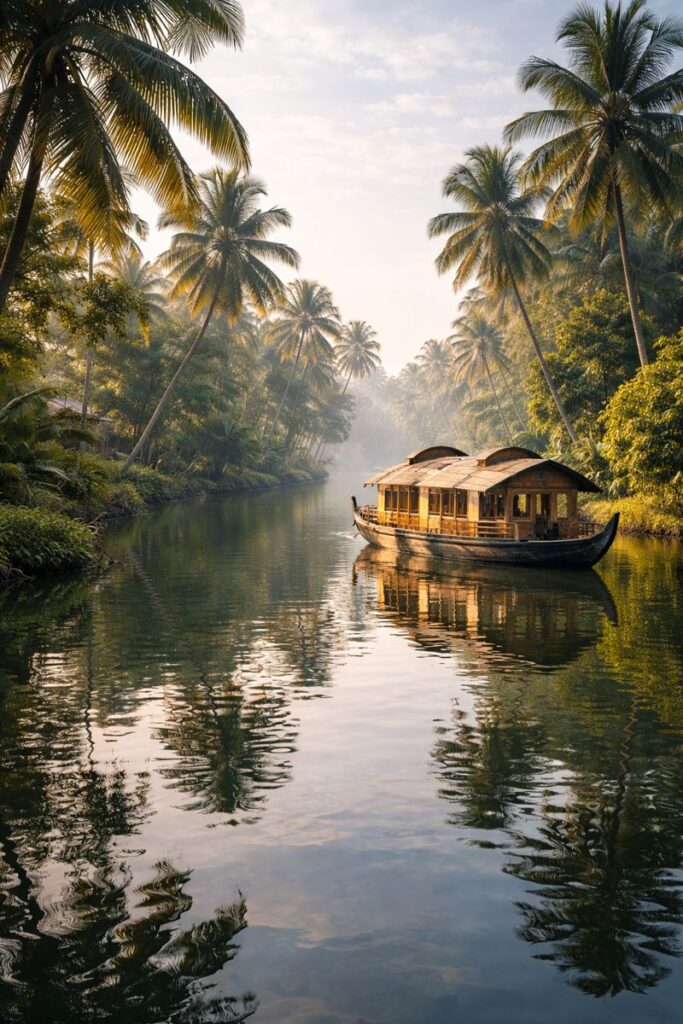
Introduction: Why February Is One of the Best Months to Travel in India
February is a sweet spot for exploring India: winter’s harshest chill has eased in most regions, summer heat hasn’t arrived, and skies are typically clear for sightseeing and photography. From heritage cities in Rajasthan to beach escapes on the west coast, February 2026 is ideal for comfortable daytime walks, sunrise viewpoints, and open-air festivals. It’s also a high-demand month for domestic travel, which means better energy in tourist hubs but it also rewards early planners with better flight and hotel deals.
If you’re looking for the best places to visit in India in February, the destinations below balance great weather, unforgettable experiences, strong photo opportunities, and practical, short itineraries you can actually follow (even on a long weekend).
1) Jaipur, Rajasthan (The Pink City)
Brief overview: Jaipur is a top February pick for first-time India travellers and repeat visitors alike. The city pairs royal forts and palaces with craft bazaars, rooftop cafés, and day trips that fit neatly into 1 to 3 days. In February, the air is crisp in the morning and pleasantly warm by afternoon perfect for fort-hopping without the intense summer sun.
Things to do:
- Explore Amber Fort early for cooler temperatures and softer light.
- Visit City Palace and the intricate courtyards of Hawa Mahal.
- See the astronomical instruments at Jantar Mantar (a UNESCO site).
- Shop for textiles, block prints, lac bangles, and blue pottery in the old city markets.
- Take a sunset view from Nahargarh Fort overlooking Jaipur’s grid of pink streets.
Best weather & photo spots: Expect comfortable winter weather (often around 10-28°C, varying by year). For photos, prioritize sunrise at Amber Fort, the honeycomb façade of Hawa Mahal in morning light, and golden-hour panoramas from Nahargarh. For an iconic “Jaipur shot,” frame the City Palace doorways and arches with a wide lens.
Suggested itinerary (1-3 days):
- Day 1: Amber Fort at opening time, Panna Meena ka Kund stepwell nearby, then City Palace and Jantar Mantar. Sunset at Nahargarh.
- Day 2: Hawa Mahal in the morning, Albert Hall Museum, and a relaxed afternoon in Bapu Bazaar/Johari Bazaar for shopping and snacks.
- Day 3 (optional): Day trip to Ajmer and Pushkar, or a slower “food and craft” day with a block-print workshop and café hopping.
Travel tips (budgets, bookings, food, festivals/events):
- Budget: Backpacker INR 2,000-3,500/day; mid-range INR 4,500-8,000/day; upscale INR 10,000/day (higher if you choose heritage hotels).
- Best time to book (February 2026): Aim to book flights and good-value hotels by November-December 2025. For boutique/heritage stays, earlier is better.
- Getting around: App cabs work well; for the old city, mix short auto-rickshaw rides with walking.
- Local food to try: Dal baati churma, ghewar, pyaaz kachori, laal maas (for meat-eaters), and a classic Rajasthani thali.
- Festivals/events nearby: Keep an eye on cultural fairs in Rajasthan and seasonal programming in the city. If you can add an extra day, Agra’s Taj Mahotsav (typically mid-late February) can pair well with a Golden Triangle route (check 2026 dates).
2) Jaisalmer, Rajasthan (Golden Fort and Thar Desert Nights)
Brief overview: Jaisalmer is one of the most atmospheric February destinations in India: sandstone architecture glows at sunrise, days are warm enough for desert activities, and nights feel crisp and dramatic under open skies. It’s compact, photogenic, and easy to cover in a short trip.
Things to do:
- Walk the living lanes of Jaisalmer Fort and visit its Jain temples.
- Tour the ornate havelis like Patwon ki Haveli and Nathmal ki Haveli.
- Head to Sam Sand Dunes for a sunset camel ride or a 4×4 dune drive.
- Catch a folk music and dance performance (often bundled with desert camp stays).
- Visit Gadisar Lake for calm reflections and birds in the early morning.
Best weather & photo spots: February is prime time (often around 8-26°C). Photo musts: sunrise inside the fort, the golden-hour façades of havelis, silhouettes on the dunes at sunset, and night-sky shots if you’re staying outside town. For portraits, the markets offer colourful textiles and turban styles that pop against the sandstone palette.
Suggested itinerary (1-3 days):
- Day 1: Fort and Jain temples, haveli circuit, sunset at Gadisar Lake or a fort viewpoint café.
- Day 2: Day trip to Kuldhara (abandoned village) and desert dunes; stay overnight at a desert camp for stargazing.
- Day 3 (optional): Visit Tanot Mata Temple and Longewala (history-focused border circuit) or enjoy a slower day of shopping and local eateries back in town.
Travel tips (budgets, bookings, food, festivals/events):
- Budget: Backpacker INR 2,500-4,000/day; mid-range INR 5,000-9,000/day; desert camp packages vary widely (compare inclusions like transfers, dinner, and cultural program).
- Best time to book (February 2026): Desert camps and popular hotels can sell out-book by December 2025 for better choices. If traveling around weekends, book even earlier.
- Desert camp choice: Ask where the camp is located (some are closer to town and less “quiet desert”) and what time you’ll reach the dunes for sunset.
- Local food to try: Ker sangri, gatte ki sabzi, bajra roti, and makhania lassi.
- Festivals/events nearby: The Jaisalmer Desert Festival is often held in February and brings parades, folk performances, and competitions. Dates vary each year-confirm your travel window if you want to align with it.
3) Goa (Beaches, Cafes, and Carnival Energy)
Brief overview: Goa in February delivers classic dry-season beach weather, lively nightlife, excellent seafood, and a relaxed “choose your own pace” vibe. It’s a strong pick for couples, groups, and solo travellers who want a mix of sand, culture, and day trips without weather stress.
Things to do:
- Beach-hop: try calmer South Goa beaches or busier North Goa hotspots depending on your style.
- Explore Old Goa’s churches and heritage streets.
- Do a cafe trail (sunset viewpoints, brunch spots, live music evenings).
- Take a spice plantation tour or a short trek to a waterfall if conditions allow.
- Browse flea markets for crafts, clothing, and homegrown brands (market days vary by season).
Best weather & photo spots: February is reliably sunny and warm (often around 20-32°C) with low humidity compared to monsoon months. For photos: sunrise on quieter beaches, late-afternoon palms and cliff viewpoints, colorful façades in Fontainhas (Panjim), and moody blue-hour shots around beach shacks with lantern light.
Suggested itinerary (1-3 days):
- Day 1: Choose a base (North for nightlife, South for calm). Beach time and sunset viewpoint and seafood dinner.
- Day 2: Old Goa heritage circuit and Panjim’s Fontainhas, then a relaxed cafe crawl.
- Day 3 (optional): Market morning, spice plantation or nature outing, then a final beach sunset and live music.
Travel tips (budgets, bookings, food, festivals/events):
- Budget: Backpacker INR 2,500-4,500/day; mid-range INR 5,500-10,000/day; premium beach stays can jump significantly in peak season.
- Best time to book (February 2026): For peak beach areas, aim for November 2025 bookings. If you’re traveling over long weekends or festival dates, lock stays earlier.
- Getting around: Consider renting a scooter if you’re comfortable riding; otherwise, use app cabs where available and pre-book airport transfers for late arrivals.
- Local food to try: Goan fish curry rice, prawn balchao, pork vindaloo, sorpotel, bebinca, and local cashew-based drinks (drink responsibly).
- Festivals/events nearby: Goa Carnival often takes place in February (dates vary). If you want a quieter trip, avoid the Carnival core days; if you want the full party atmosphere, plan around it.
4) Rann of Kutch, Gujarat (White Salt Desert and Cultural Nights)
Brief overview: The Great Rann of Kutch is one of India’s most surreal landscapes: a vast white salt desert that looks otherworldly under the sun and especially under moonlight. February is typically the final stretch of the season when tents, crafts, and cultural programs are in full swing, making it one of the most unique places to visit in India in February 2026.
Things to do:
- Visit the white salt flats for sunrise, sunset, and (if available) moonlight viewing.
- Shop Kutch crafts: embroidery, bandhani, ajrakh prints, and leatherwork.
- Explore nearby villages for artisan workshops and local culture.
- Try regional Kutchi and Gujarati food in set meal experiences.
- Add a day trip to nearby sights depending on your base (Bhuj area museums and viewpoints are popular).
Best weather & photo spots: February tends to be dry and comfortable (often around 12-30°C). The best photo moments are “edge light” times: sunrise when the salt blushes pastel, and sunset when footprints cast long shadows. If you can time it, moonlight across the salt can look unreal, carry a tripod if photography is a priority.
Suggested itinerary (1-3 days):
- Day 1: Arrive in Bhuj/Dhordo, settle in, then sunset at the salt desert and an evening cultural program.
- Day 2: Village craft circuit (choose 1-2 villages rather than rushing), then return for another salt desert session (sunrise or moonlight, depending on permits and timing).
- Day 3 (optional): Bhuj sightseeing (local museums/markets) and a slower lunch before departure.
Travel tips (budgets, bookings, food, festivals/events):
- Budget: Costs vary widely depending on tent category and packages. Budget INR 4,000-7,000/day for basic comfort; INR 8,000-15,000/day for better tents and inclusions; luxury packages can go higher.
- Best time to book (February 2026): If you want prime tent locations and better rates, book by October-December 2025. February availability can tighten quickly.
- Permits and entry: Salt desert access rules and timings can change; confirm the latest entry process through official sources before arrival.
- Local food to try: Gujarati thali, dhokla, handvo, thepla, and regional sweets (often part of fixed dining setups).
- Festivals/events nearby: Rann Utsav (the seasonal festival) typically runs through the winter months and often includes February dates. Check the official schedule and plan nights accordingly for music and craft programming.
5) Kochi and Alleppey, Kerala (Culture and Backwaters in Peak Comfort)
Brief overview: For travelers who want a calmer pace, February in Kerala is an easy win: warm, coastal weather; lush scenery; and a mix of heritage neighborhoods and iconic backwater experiences. Pair Kochi (Fort Kochi and art-forward cafés) with Alleppey (Alappuzha) for a short trip that feels both cultural and restorative.
Things to do:
- Walk Fort Kochi: colonial-era streets, galleries, cafes, and the waterfront promenade.
- See the Chinese fishing nets at sunset and explore local spice and antique shops.
- Consider a Kathakali performance for an evening cultural experience.
- In Alleppey, take a backwater cruise (day cruise or overnight houseboat, depending on your style).
- Try a short village canoe ride for quieter canals and closer local life.
Best weather & photo spots: February is typically dry and warm (often around 23-32°C). Photo highlights include golden sunsets by the fishing nets, pastel streetscapes in Fort Kochi, and mirror-like canal reflections in the backwaters during early morning. For people shots, fish markets and ferry jetties can be lively-ask before photographing closeups.
Suggested itinerary (1-3 days):
- Day 1: Fort Kochi walk, cafes and galleries, sunset by the waterfront, then Kathakali or a cultural show.
- Day 2: Transfer to Alleppey for a day cruise or overnight houseboat; add a canoe ride for narrower canals.
- Day 3 (optional): Return to Kochi for markets and a relaxed farewell meal, or spend extra time in Alleppey for a slow morning and local lunch.
Travel tips (budgets, bookings, food, festivals/events):
- Budget: Backpacker INR 2,500-4,000/day; mid-range INR 5,000-9,000/day. Houseboats are priced per boat and season cost-effective for small groups, pricier for solo travellers.
- Best time to book (February 2026): For the best houseboats and waterfront stays, book by December 2025. If you want a specific boat class or route, book earlier.
- Houseboat reality check: Choose reputable operators, confirm AC timings, inclusions (meals, tea/coffee), and whether the boat will anchor early evening (common practice).
- Local food to try: Kerala fish curry, appam with stew, puttu with kadala curry, prawn roast, and banana chips. In Kochi, don’t skip fresh seafood grills.
- Festivals/events nearby: Kerala’s cultural calendar varies by year. Look out for seasonal dance and cultural festivals (often hosted in major cities) and verify dates for any art events in Kochi during your travel window.
Also Consider: Bonus Options for February 2026
If your schedule or interests push you in a different direction, these destinations also shine in February:
- Agra, Uttar Pradesh: Comfortable weather for the Taj Mahal at sunrise, plus the Taj Mahotsav (typically in February; confirm dates) for crafts and performances.
- Udaipur, Rajasthan: Romantic lake views, palace architecture, and golden winter light, great for slower travel and photography.
- Varanasi, Uttar Pradesh: Crisp mornings for boat rides on the Ganges and powerful evening aartis; late winter often brings a distinctive misty mood for photos.
- Kaziranga, Assam: Peak safari season for one-horned rhinos (park operations are seasonal, confirm open dates and permits).
- Pondicherry: A calm coastal break with French-quarter streets, cafes, and nearby beaches are ideal if you want “easy” travel days.
Final Thoughts: Planning Your February 2026 India Trip
The best places to visit in India in February combine comfortable weather, strong sightseeing value, and experiences that feel uniquely “India,” from desert folk nights to backwater mornings. If you’re traveling in February 2026, plan your bookings earlier than usual especially for Goa, Rajasthan, and the Rann of Kutch then build your itinerary around light (sunrise/sunset), not just landmarks. That’s how February trips go from “busy sightseeing” to genuinely unforgettable.
Top Tourist Places Near Pune Within 100 Km for Weekend Trips
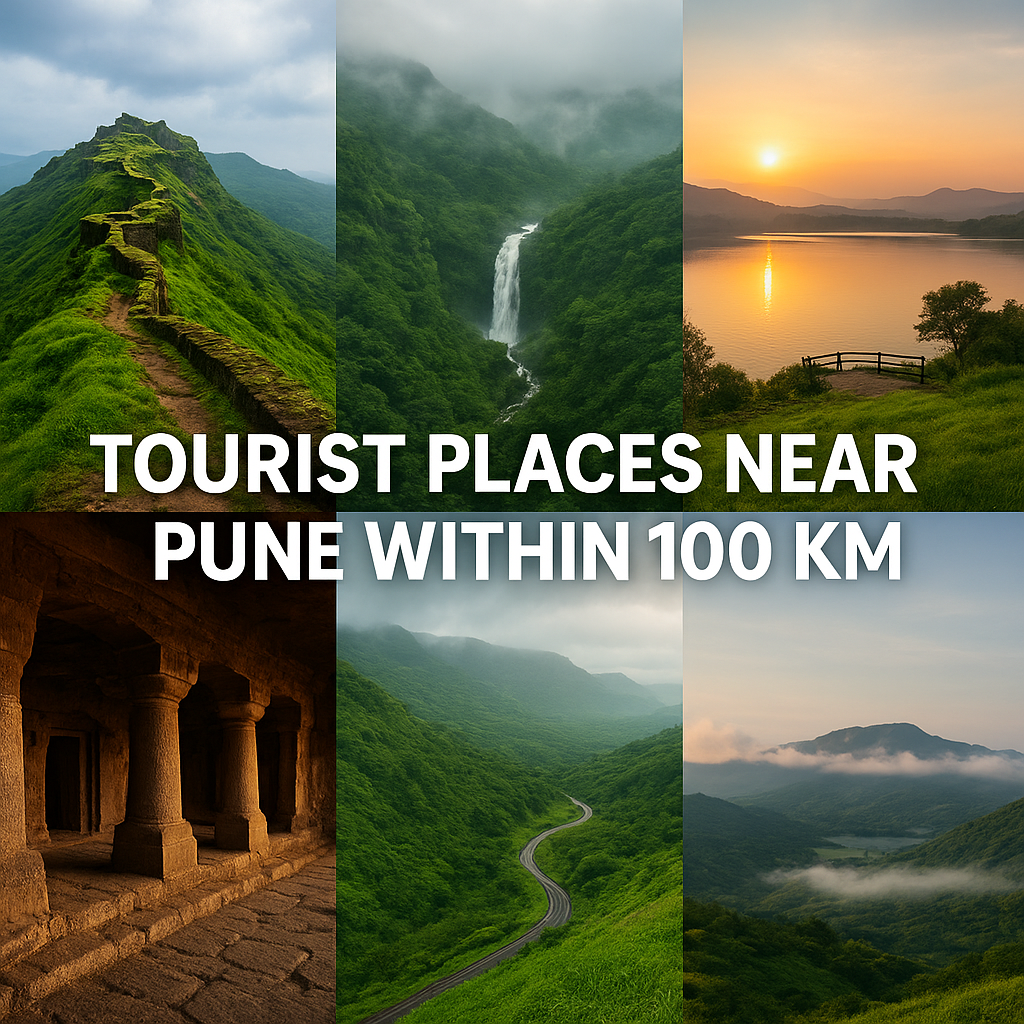
Living in Pune has its perks like great food, pleasant weather (most of the year), and enough cafes to keep your weekends busy. But every now and then, you just want to get out of the city, breathe in fresh air, and come back feeling like you’ve hit a reset button.
The good news? There are plenty of tourist places near Pune within 100 km that are perfect for a one-day trip or a short weekend break. Think hill forts, lakeside sunsets, quiet temples, and monsoon drives that feel like scenes from a movie.
If you’ve been asking yourself, “Where can I go near Pune this weekend?” this list is for you.
Why Weekend Trips Near Pune Are So Popular
Pune is surrounded by the Sahyadris, which means you’re never too far from nature. Within just 1 to 2 hours, you can swap traffic noise for birdsong. These short trips work so well because:
- You don’t need long leaves even a Saturday is enough.
- Travel is easy most places are reachable by car or bike.
- There’s variety treks, temples, hill stations, dams, forts, and picnic spots.
I’ve found these mini getaways are like power naps for your mind short, simple, and surprisingly refreshing.
Top Tourist Places Near Pune Within 100 Km
Below are some of the best weekend getaways near Pune within 100 km. I’ve included what to do, who it’s ideal for, and a few practical tips, so you can plan without overthinking.
1) Lonavala & Khandala (The Classic Weekend Escape)
If you’ve lived in Pune for even a few months, you’ve probably heard someone say, “Let’s go to Lonavala.” And honestly, it’s popular for a reason. Lonavala and Khandala are among the most loved tourist places near Pune, especially during the monsoon.
What to do
- Visit Tiger Point for sweeping valley views.
- Stop at Bhushi Dam (best in rainy season, go early to avoid crowds).
- Explore Rajmachi Fort if you’re in the mood for a trek.
- Snack on chikki, because it’s basically mandatory.
Best for: Couples, families, first-time travellers, monsoon lovers
Small tip: Go on a weekday if you can. On weekends, Lonavala can feel like all of Pune decided to holiday together.
2) Lavasa (A Pretty Drive and Lakeside Vibes)
Lavasa is one of those places people either love or skip but for a short drive and a relaxed evening by the lake, it works perfectly. The roads leading up to Lavasa are part of the fun, especially if you enjoy scenic drives.
What to do
- Walk along the lakeside promenade.
- Try cafes with water views.
- Go for light adventure activities (depending on what’s open).
Best for: Friend groups, couples, quick day trips
Good to know: It’s more of a “relax and stroll” destination than a sightseeing heavy one. Think of it like a short recharge spot.
3) Sinhagad Fort (A Trek With a Reward at the Top)
When someone says “trek near Pune,” Sinhagad Fort is usually the first name that comes up. It’s close, it’s doable even for beginners, and it comes with a delicious bonus and hot kanda bhaji and pithla-bhakri at the top.
What to do
- Trek up early in the morning for cooler weather.
- Enjoy panoramic views once you reach the fort.
- Learn a bit of history (the fort has seen its share of battles).
Best for: Beginners, trekking fans, history lovers, sunrise chasers
Personal note: I once started the trek thinking, “This will be easy,” and halfway up I questioned every life choice. But the view at the top? Worth it.
4) Lohagad Fort (Easy Trek and Great Monsoon Views)
Lohagad Fort is another favourite among places to visit near Pune within 100 km, especially during monsoon when everything turns fresh green. The trek is considered easy to moderate, and the route is quite scenic.
What to do
- Trek to the top and explore the fort walls.
- Pair it with a visit to Visapur Fort if you want a longer hike.
- Enjoy the misty viewpoints in rainy season.
Best for: Weekend trekkers, nature lovers, monsoon travel near Pune
5) Tikona Fort (Triangle Shaped Fort and Peaceful Trek)
Looking for something less crowded but still exciting? Tikona Fort (named after its triangular shape) offers a refreshing trek with lovely views of surrounding lakes and hills.
What to do
- Trek up for sunrise if you’re an early bird.
- Take photos of the landscape
- Tikona is surprisingly photogenic.
- Explore nearby lakes like Pawna (more on that below).
Best for: Trekkers, photographers, people who like quieter trails
6) Pawna Lake (Camping, Bonfires, and Slow Evenings)
Pawna Lake is one of the most popular spots for camping near Pune. It’s not about shopping or sightseeing, it’s about sitting by the water, eating simple food, and watching the sky change colors.
What to do
- Go for lakeside camping (many organizers offer tents and meals).
- Enjoy bonfires and music (depending on the campsite).
- Wake up early for a peaceful sunrise.
Best for: Groups of friends, couples, anyone who needs a digital detox
Small tip: Carry a light jacket. Evenings can get chilly near the lake.
7) Mulshi Dam (Easy, Scenic, and Great for a Drive)
If you want a calm day trip without trekking, Mulshi Dam makes a great pick. The drive itself is soothing, green hills, small villages, and that “far from city” feeling that kicks in surprisingly fast.
What to do
- Plan a picnic style outing.
- Stop at viewpoints for photos.
- Visit during monsoon for the most dramatic scenery.
Best for: Families, couples, road trip lovers, relaxed weekends
8) Panshet Dam (Picnic Spot and Water Activities)
Panshet Dam is another solid choice for people looking for places near Pune for one day trip. It’s known for calm surroundings and, at times, water sports options.
What to do
- Relax by the water and enjoy the views.
- Look out for boating or water activities (seasonal).
- Combine it with nearby attractions like Sinhagad (if you’re up for a packed day).
Best for: Picnics, family outings, laid-back travelers
9) Khadakwasla Dam (Quick Escape Without Planning Much)
Want something super close where you can just hop in the car and go? Khadakwasla Dam is a quick getaway near Pune that works especially well in the evening.
What to do
- Watch the sunset near the dam.
- Grab snacks from nearby stalls.
- Pair it with a visit to Sinhagad or local eateries for a complete outing.
Best for: Last minute plans, short evening drives, casual hangouts
10) Alandi (Spiritual Calm Close to the City)
If you’re looking for a peaceful, spiritual place near Pune, Alandi is well-known for its religious importance and calm atmosphere. Even if you’re not particularly religious, the energy of the place can feel grounding.
What to do
- Visit the temple and walk around the ghats.
- Explore local streets for simple snacks and prasad.
- Go early morning for a quieter experience.
Best for: Spiritual travelers, families, culture lovers
11) Jejuri (The Golden Temple Town)
Jejuri is famous for the Khandoba temple and its striking setting. The steps, the chants, and the wide open views from the top make it a memorable short trip.
What to do
- Climb up to the temple for panoramic views.
- Visit during festivals if you want to see the town at its liveliest (expect crowds).
- Carry water, those steps can feel longer than they look.
Best for: Temple visits, cultural exploration, short family trips
12) Kamshet (Paragliding and Open Skies)
Want to do something that makes your weekend feel bigger than it actually was? Head to Kamshet, known for paragliding and wide, open landscapes. Even watching the paragliders is fun.
What to do
- Try paragliding (book with a reputed operator).
- Visit nearby spots around Lonaval-Khandala belt.
- Enjoy the countryside vibe and fresh air.
Best for: Adventure lovers, friend groups, thrill seekers
13) Rajgad Fort (For People Who Want a Real Trek)
If Sinhagad feels too easy and you want a trek that makes you earn the view, Rajgad Fort is a strong contender. It’s a bit more demanding, but it’s also one of the most rewarding forts near Pune.
What to do
- Trek up and explore the different sections of the fort.
- Plan an early start (or even an overnight trek if you’re experienced).
- Carry enough water and snacks.
Best for: Experienced trekkers, history fans, adventure weekends
14) Bhimashankar (Nature and Temple in One Trip)
Bhimashankar is ideal if you want a mix of spirituality and nature. It’s home to a Jyotirlinga temple and is surrounded by lush forest areas. If you like peaceful travel where you can slow down, this is a great pick.
What to do
- Visit the temple (try weekday mornings for fewer crowds).
- Explore the surrounding nature trails.
- Enjoy the cool, green environment, especially in monsoon.
Best for: Families, spiritual travelers, nature lovers
15) Matheran (No Cars, Just Fresh Air)
Technically, Matheran can be close to the 100 km mark depending on your route, but it’s worth mentioning because it feels different. It’s a no-vehicle hill station, so the air feels cleaner and the pace naturally slows down.
What to do
- Walk to viewpoints like Echo Point and Panorama Point.
- Try the toy train experience (if operational).
- Eat local snacks and enjoy the old-school hill station charm.
Best for: Families, couples, anyone tired of constant honking
How to Choose the Best Weekend Getaway Near Pune
Not sure where to go? Ask yourself one simple question: What kind of tired are you?
- If you’re mentally tired, choose calm places like Pawna Lake or Mulshi.
- If you’re physically restless, go for treks like Sinhagad, Lohagad, or Rajgad.
- If you want something different, try Kamshet paragliding.
- If you want spiritual peace, visit Alandi, Jejuri, or Bhimashankar.
It’s a bit like picking food when you’re hungry, once you know what you’re craving, decisions get easy.
Quick Tips for One-Day Trips Near Pune
- Start early to avoid traffic (especially on highways and ghat roads).
- Carry cash as some smaller spots may not accept cards/UPI consistently.
- Wear good shoes for forts and treks (slippery in monsoon).
- Pack light snacks and water if you’re trekking.
- Check weather updates during monsoon the visibility can drop fast in the ghats.
Best Time to Visit Tourist Places Near Pune Within 100 Km
Most of these destinations are enjoyable year-round, but here’s a quick seasonal guide:
- Monsoon (Jun to Sep): Lonavala, Lohagad, Tikona, Mulshi (lush views, misty hills).
- Winter (Nov to Feb): Treks and forts feel easier; Pawna camping is comfortable.
- Summer (Mar to May): Plan early morning trips; dams and shaded spots work better.
Top Weekend Getaways Near Mumbai and Pune for 2026
Ever had one of those weeks where you’re running on chai, deadlines, and pure willpower… and by Friday evening you’re thinking, “I just need a break”? Same.
The good news is, you don’t need a long holiday to feel refreshed. If you live in (or around) Mumbai or Pune, you’re surrounded by incredible places that are perfect for a short escape, think misty hill stations, calm lakes, green valleys, and historic forts.
In this guide, I’ve rounded up the best weekend getaways near Mumbai and Pune for 2026, with practical tips, what to do, and who each place is best for. Whether you’re planning a romantic trip, a family break, or a friends’ road trip, you’ll find something that fits.
How to Pick the Right Weekend Getaway (So You Don’t Waste the Weekend)
Before we jump into the list, here’s a simple way to choose. A weekend is short, like a mini movie. If the first half is spent in traffic, the plot suffers.
So ask yourself:
- How far do you want to travel? (2-4 hours is usually the sweet spot)
- What do you need right now? Quiet nature, adventure, views, or good food?
- Who are you going with? Kids, parents, friends, or your partner?
- Do you want a cozy stay? (Villas, resorts, homestays, or simple hotels)
Once you’ve got that clear, planning becomes much easier.
1) Igatpuri – Monsoon Hills, Waterfalls, and Peaceful Views
If you’re looking for a classic, feel-good escape, Igatpuri is a top choice. It’s especially popular during monsoon and winter when the hills turn lush and the air feels clean and light.
I still remember one rainy drive into Igatpuri, everything looked like a green painting, and the clouds were so low it felt like we were driving through them. That’s the kind of “reset” a weekend trip should give you.
Best for
- Couples who want quiet time and scenic stays
- Families looking for a relaxed nature break
- Friends who want a villa-style weekend with games, food, and views
Top things to do
- Visit Bhatsa River Valley for wide, open views
- Explore nearby Tringalwadi Fort if you like light trekking
- Enjoy waterfalls during monsoon (but be careful the rocks get slippery)
- Slow down: morning tea with a view is underrated
2) Lonavala & Khandala – The Evergreen Classic
Let’s be honest—Lonavala and Khandala are “default weekend getaway” for a reason. Easy access from both Mumbai and Pune, loads of viewpoints, and plenty of stay options.
It’s the kind of place you can visit multiple times and still find something new, one weekend you’re doing viewpoints, the next you’re cafe-hopping, and the next you’re just… resting.
Best for
- Quick weekend getaways near Pune
- Short trips from Mumbai with minimal planning
- Groups who want lots to do
Top things to do
- Check out Tiger Point or Lion Point for views
- Visit Bhushi Dam (best in monsoon, but can get crowded)
- Explore Rajmachi Fort if you want a trek
- Eat chikki because that’s practically a rule
3) Mahabaleshwar – Strawberry Air and Big Viewpoints
Mahabaleshwar feels like a proper holiday even if you go for just two days. It’s cooler, greener, and has that old-school hill station charm.
In 2026, it’s still one of the best options if you want a change from city heat, especially for families and couples.
Best for
- Family weekend trips from Pune
- Couples who enjoy viewpoints and long walks
- Food lovers (strawberries, cream, and seasonal treats)
Top things to do
- Visit Arthur’s Seat and other viewpoints
- Take a boat ride at Venna Lake
- Do a quick stop at Panchgani if time allows
4) Matheran – A Car-Free Hill Station (Yes, Really)
If you’ve never been to Matheran, here’s the coolest part: it’s one of India’s few car-free hill stations. No honking, no traffic noise, just red mud paths, trees, and fresh air.
It feels like putting your phone on silent mode, but for your brain.
Best for
- Peace seekers
- Nature lovers who enjoy walking
- Couples who want a slower pace
Top things to do
- Walk to popular viewpoints like Panorama Point
- Try a toy train ride (when available)
- Enjoy simple local food and long evening strolls
5) Alibaug – Beachy, Breezy, and Close to Mumbai
When you want a beach weekend without flying to Goa, Alibaug is your answer. It’s one of the most popular weekend getaways near Mumbai and it works for both quick day trips and relaxed two-night stays.
One tip? Start early. Beach towns are best enjoyed when you arrive before the rush.
Best for
- Mumbai road trips
- Friends looking for fun stays and beach time
- Couples who want sunset walks
Top things to do
- Visit Alibaug Beach or quieter nearby beaches
- Explore Kolaba Fort (timing depends on tides)
- Try local seafood if you eat non-veg
6) Karjat – Green Farms, River Vibes, and Easy Escapes
Karjat is a solid pick when you want nature without going too far. It has a mix of farms, hills, rivers, and nice stays that are perfect for a relaxed weekend.
Think of Karjat as the “easy-going friend” in your travel group, low drama, good vibes.
Best for
- Weekend getaways from Mumbai under a few hours
- Small groups looking for peaceful stays
- Monsoon lovers who enjoy greenery
Top things to do
- Go for short hikes and nature walks
- Visit nearby spots like Kondana Caves
- Book a stay with open spaces to truly unwind
7) Nashik – Vineyards, Temples, and Laid-Back Evenings
Nashik is not just a religious city also it’s also a great weekend plan for people who enjoy food, calm drives, and a slightly more “grown-up” vibe.
It’s a refreshing change if you’ve done the usual hill stations and want something different in 2026.
Best for
- Couples and friends who enjoy vineyard visits
- Families who want a mix of culture and comfort
- Weekend road trips with good food stops
Top things to do
- Visit vineyards and enjoy tastings (if you drink)
- Explore Trimbakeshwar and other famous temples
- Spend evenings at relaxed cafes and restaurants
8) Lavasa (and Nearby Lakeside Drives) – For a Pretty, Relaxed Short Trip
Lavasa has had mixed opinions over the years, but as a quick, scenic drive-and-stay plan near Pune, it can still work especially if what you want is a calm weekend, nice views, and a change of scenery.
Best for
- Couples who want a quiet, picture-friendly trip
- Pune weekend getaways with short travel time
Top things to do
- Enjoy a slow lakeside walk
- Take a relaxed drive and stop for scenic photos
- Plan board games and chill time at your stay
9) Pawna Lake – Camping, Bonfires, and Starry Nights
If you want a weekend that feels like a mini adventure, Pawna Lake is a favorite. You can camp by the lake, enjoy bonfires, and wake up to quiet water views.
Just imagine this: you’re sitting outside with a warm cup of tea, the air is cool, and the sky is slowly changing colors. It’s simple, but it hits differently.
Best for
- Friends who want a fun overnight plan
- Couples who enjoy outdoor stays
Top things to do
- Camp or book a lakeside stay
- Enjoy sunset views and early morning calm
- Carry light snacks and warm layers in winter
10) Bhandardara – Quiet Lakes, Hills, and a True “Off” Switch
Bhandardara is for people who want real peace. It’s less crowded than many popular spots and feels slower in the best way.
If your idea of a perfect weekend is reading a book, taking slow walks, and sleeping early-this is the place.
Best for
- Nature lovers
- Couples who want quiet time
- Anyone tired of crowded tourist spots
Top things to do
- Visit the lake and nearby viewpoints
- Enjoy stargazing (on clear nights)
- Plan a relaxed schedule-this place isn’t about rushing
Mini Travel Tips for 2026
Weekend trips are small, but tiny mistakes can eat up your time. Here are a few tips that save the day:
- Leave early on Saturday (or Friday night if possible) to avoid highway traffic.
- Book stays in advance for monsoon and long weekends-good places sell out quickly.
- Carry light rain protection in monsoon: a compact umbrella and a poncho work well.
- Keep one buffer slot in your plan. A rushed weekend doesn’t feel like a break.
- Choose experiences over checklists. One great viewpoint and a relaxed meal can be better than six rushed stops.
Quick Picks: Which Place Should You Choose?
If you’re still unsure, use this quick match list:
- For lush monsoon vibes: Igatpuri, Lonavala, Karjat
- For a cool hill station feel: Mahabaleshwar, Matheran
- For beaches near Mumbai: Alibaug
- For lakes and quiet time: Bhandardara, Pawna Lake
- For vineyards and food: Nashik
Top Places to Travel in India in January 2026
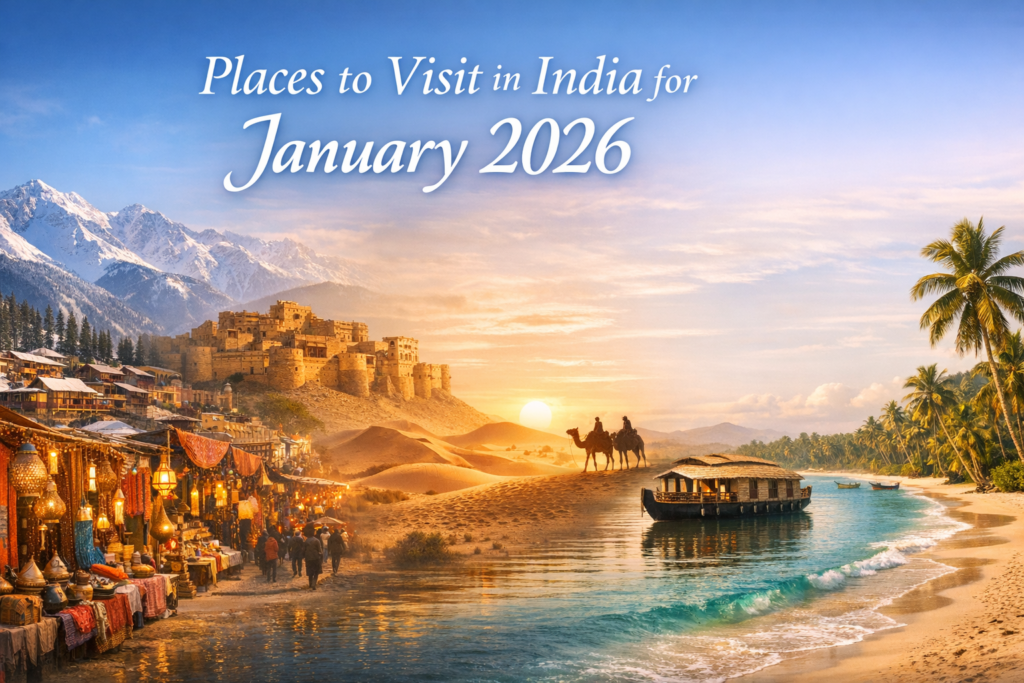
January in India feels like the country takes a deep breath. The air is cooler, the skies are often clearer, and traveling becomes way more comfortable especially if you’re not a fan of sweaty summer sightseeing. If you’ve been wondering about the best places to visit in India in January 2026, you’re in the right place.
Think of January travel like choosing the “sweet spot” on a volume knob-not too loud, not too quiet. In many regions, it’s peak season for a reason: great weather, beautiful views, and festivals that add extra sparkle to your trip.
In this guide, I’ll walk you through top places to visit in India in January, what makes them special, and simple tips to help you plan. And yes this is written for real people who want real ideas, not a boring checklist.
Why January Is One of the Best Months to Travel in India
Before we jump into destinations, here’s what makes January a travel favorite:
- Pleasant weather: North India is chilly but manageable, and South India is comfortably warm.
- Clearer views: Great for mountains, beaches, and photography.
- Festival energy: From harvest festivals to cultural fairs, January is full of local celebrations.
- Better outdoor days: You can actually enjoy walking tours, safaris, boating, and forts without feeling drained.
Quick question: are you traveling for snow, sun, wildlife, or culture? Keep that in mind as you read, India in January can give you all four, depending on where you go.
1) Rajasthan (Jaipur, Jaisalmer, Udaipur): Royal Winter Travel
If “palaces, forts, and desert sunsets” sounds like your kind of holiday, Rajasthan in January is hard to beat. Days are sunny and pleasant, while nights can get cold so pack layers.
What to do in Rajasthan in January
- Explore Amber Fort and the pink lanes of Jaipur.
- Catch a golden sunset at Jaisalmer Fort and try a desert camp stay.
- Enjoy lakeside calm in Udaipur is perfect for couples and slow travelers.
My tip: Rajasthan feels like stepping into a storybook. The biggest mistake people make is rushing, pick 2 to 3 cities, not 6, and give each place time to breathe.
2) Rann of Kutch, Gujarat: White Desert Magic
The Rann of Kutch is one of those places that doesn’t feel real until you see it. Imagine standing on a wide, white salt desert under a huge sky. January is prime time because the weather is cool and the famous seasonal festival vibe is strong.
Best experiences in Kutch
- Visit the White Rann and stay in tent accommodations if available.
- Shop local crafts – Kutch embroidery is stunning.
- Explore nearby villages for folk music and traditional art.
If you love unique landscapes, this is one of the best places to visit in India during January. It’s like seeing snow… but in a desert version.
3) Goa: Beach Days Without the Burning Heat
Goa in January is a classic for a reason. The weather is comfortable, the sea breeze feels amazing, and the place is lively without being unbearable (depending on where you stay).
What to do in Goa in January
- Spend mornings on quieter beaches like Ashwem or Agonda.
- Try local Goan food, fish curry rice is comfort on a plate.
- Plan a sunset plan: beach, short walk, and a simple seaside meal.
Small personal note: I once planned a “party Goa” trip and accidentally booked a calm beach stay. Best mistake ever. If your year has been loud, Goa can be your pause button.
4) Kerala (Alleppey, Munnar, Kochi): Backwaters and Hill Air
Kerala is a January favorite because it’s warm but not sticky, and the scenery feels fresh. You can mix calm backwaters with cool hills in one trip like getting two vacations in one.
Top Kerala experiences
- Book a night on an Alleppey houseboat (or take a short day cruise if you’re on a budget).
- Visit Munnar for tea gardens, viewpoints, and light treks.
- Spend time in Kochi for culture, cafes, and coastal history.
Kerala is often listed among the top places to visit in India in January because it’s easy, scenic, and relaxing and even for first-time travellers.
5) Shimla & Manali, Himachal Pradesh: Snowy Views and Cozy Cafes
If you want proper winter vibes, Himachal Pradesh in January is a strong choice. Snow isn’t guaranteed everywhere, but chances are good in higher areas especially around Manali and nearby spots.
Things to do in Himachal in January
- Enjoy a cozy cafe day in Old Manali.
- Try snow activities if conditions allow (and go with trusted operators).
- Take short walks, shop local woolens, and enjoy the slow pace.
Simple planning tip: Weather can change fast. Keep 1 to 2 flexible days in your plan so you’re not stressed by road closures or delays.
6) Auli, Uttarakhand: India’s Skiing Sweet Spot
Auli feels like a winter postcard. This is one of the best places in India for snow lovers, and January is a great time to catch it at its best. If you’ve ever wanted to try skiing, this is where many people start.
What makes Auli special
- Snowy slopes and beginner-friendly skiing options.
- Stunning mountain views when skies are clear.
- A calm, “not-too-crowded” vibe compared to some other hill stations.
Even if you don’t ski, just being there are warm drink in hand, cold air on your face that can be reason enough.
7) Ranthambore National Park, Rajasthan: Tigers and Safaris
Want a break from cities and beaches? January is a solid month for wildlife safaris in India. Ranthambore is one of the most famous places to spot tigers, and the cooler weather makes safari rides more comfortable.
Ranthambore safari tips
- Book safaris early as slots fill up fast in peak season.
- Carry warm layers for morning rides.
- Keep expectations realistic as wildlife sightings are never guaranteed, and that’s part of the thrill.
Think of it like a treasure hunt: you enjoy the forest even if the “big prize” takes time to show up.
8) Kaziranga National Park, Assam: One-Horned Rhino Country
In the northeast, Kaziranga National Park is a standout. January is excellent because the park is accessible, the weather is pleasant, and wildlife sightings can be rewarding.
What to expect in Kaziranga
- Spot the famous one-horned rhinoceros.
- Enjoy jeep safaris and explore forest zones.
- Combine it with Assam’s local food and tea culture.
If you want something beyond the usual tourist circuit, this can be a memorable choice for India travel in January 2026.
9) Varanasi, Uttar Pradesh: Spiritual Calm and Morning Sunrises
Varanasi isn’t just a place you visit but it’s a place you feel. January mornings can be foggy and cold, but that adds mood to the ghats. The early boat rides and evening aarti create the kind of memories that stick.
Best things to do in Varanasi
- Take a sunrise boat ride on the Ganga (bundle up as it can be chilly).
- Walk the old lanes and try local snacks.
- Watch the evening aarti and give yourself time to simply sit and observe.
Helpful reminder: Varanasi can be intense. If you’re sensitive to crowds, plan quieter hours and take breaks. There’s no rule that says you must do everything at once.
10) Kolkata, West Bengal: Culture, Coffee, and Winter Walks
Kolkata in January feels lively in a relaxed way. The weather is cooler, which makes it perfect for long walks, street food, and cultural places without the heat.
How to enjoy Kolkata in winter
- Explore colonial-era architecture and museums.
- Try iconic street food (take it slow if you’re new to it).
- Spend an evening at a local cafe or bookshop.
If you love cities with personality, Kolkata belongs on your list of top places to visit in India in January 2026.
11) Hampi, Karnataka: Ancient Ruins Under Blue Skies
Hampi is like an open-air museum, but it doesn’t feel stiff or formal. Giant boulders, temple ruins, and wide landscapes make it one of the most unique places to visit in India.
Top things to do in Hampi
- Rent a scooter or bicycle (if you’re comfortable) and explore at your pace.
- Visit temple complexes and stone markets.
- Catch sunrise or sunset viewpoints for unreal colors.
January weather makes walking around Hampi much easier, which is a big deal because you’ll likely spend hours outdoors.
12) Andaman & Nicobar Islands: Clear Water and Quiet Beaches
If your idea of a perfect trip includes turquoise water and slow mornings, the Andaman Islands are a dream in January. The seas are often calmer and the weather is great for island hopping.
Andaman highlights
- Relax on beaches around Havelock (Swaraj Dweep).
- Try snorkeling or glass-bottom boat rides.
- Plan a simple itinerary: one beach day, one activity day, repeat.
Real talk: Islands teach you patience. Ferries can shift, plans can change, and that’s okay. If you stop fighting the rhythm, you’ll enjoy it much more.
Quick Tips to Plan Your January 2026 India Trip
January is popular, so a little planning goes a long way. Here are simple tips that save time (and stress):
- Book early: Hotels and trains can fill up fast in top tourist spots.
- Pack layers: North India can be cold at night, while afternoons may be sunny.
- Check local events: Festivals can be amazing but they also affect prices and crowds.
- Keep buffer days: Especially in hill stations where weather can change plans.
- Choose your “trip type”: Don’t mix too many styles at once (like beach and snow and jungle in 7 days).
Sample Itineraries (So You Can Visualize Your Trip)
7 Days: Classic Winter Royal and Wildlife
- Jaipur (2 days)
- Ranthambore (2 days)
- Udaipur (3 days)
7 Days: South India Easy and Relaxed
- Kochi (2 days)
- Munnar (2 days)
- Alleppey (2–3 days)
7–9 Days: Snow and Slow Travel
- Shimla (2 to 3 days)
- Manali (3 to 4 days)
- Extra day for flexible weather plans
Which one sounds like you right now royal, relaxed, or snowy?